Description
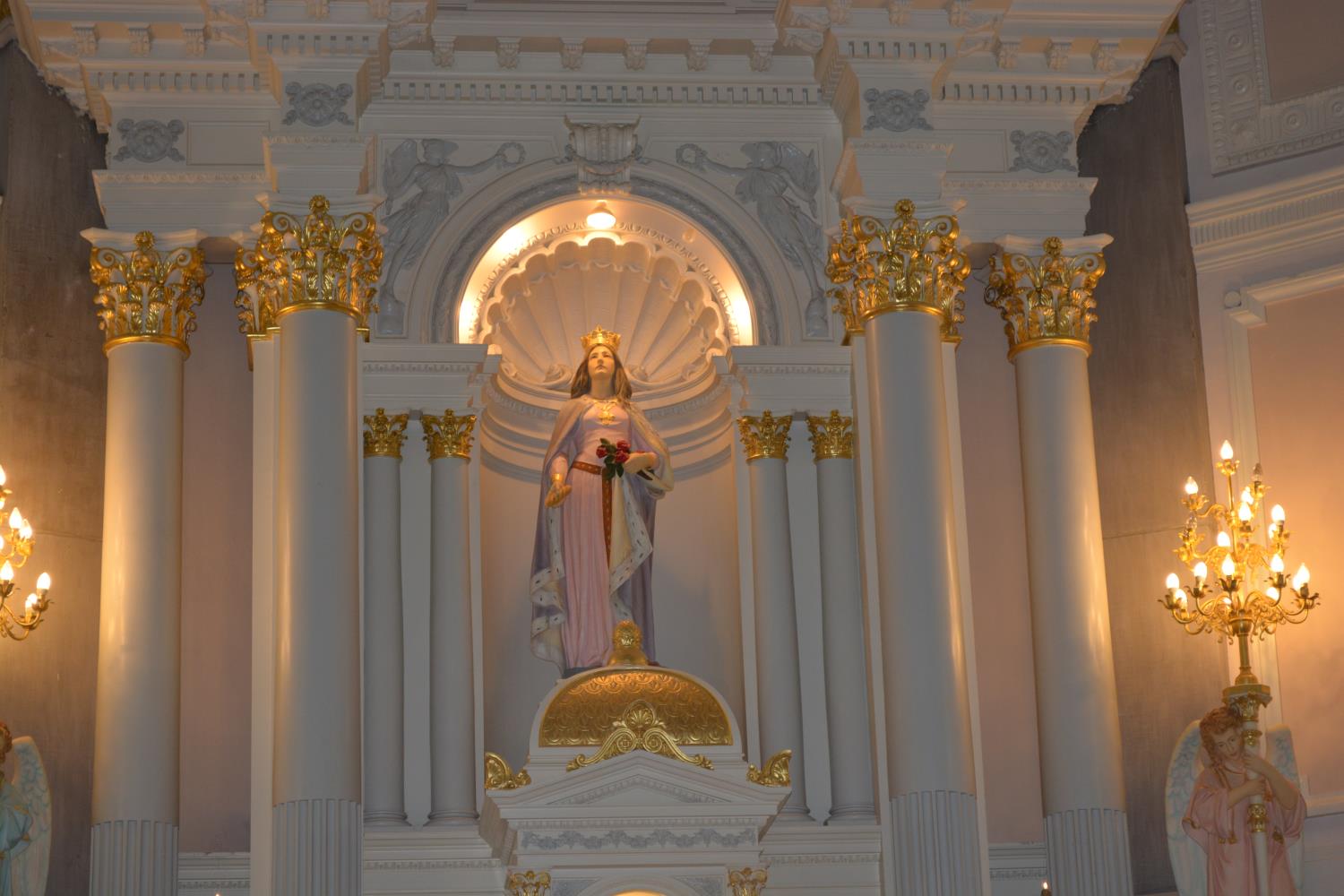
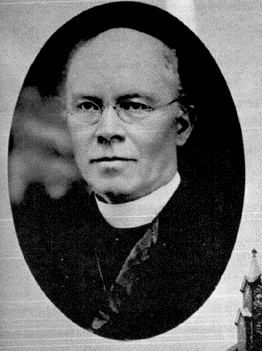
At the end of the 19th century, Hungarian immigrants arrived in large numbers in the industrializing cities of the United States—including Cleveland—settling mainly in the eastern part of the city in the hope of a better life. Within a short time, they formed a strong, close-knit community, and the need for their own Hungarian Catholic parish became apparent early on. After lengthy efforts to organize and unsuccessful attempts to seek assistance from Hungary, they finally turned to the local church leadership, resulting in the arrival of Father Károly Böhm in Cleveland in 1892, who established the Parish of Saint Elizabeth of the House of Árpád. This became the first Hungarian ethnic Catholic parish in the United States.
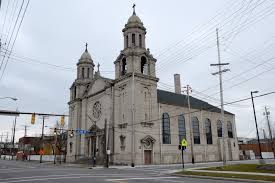
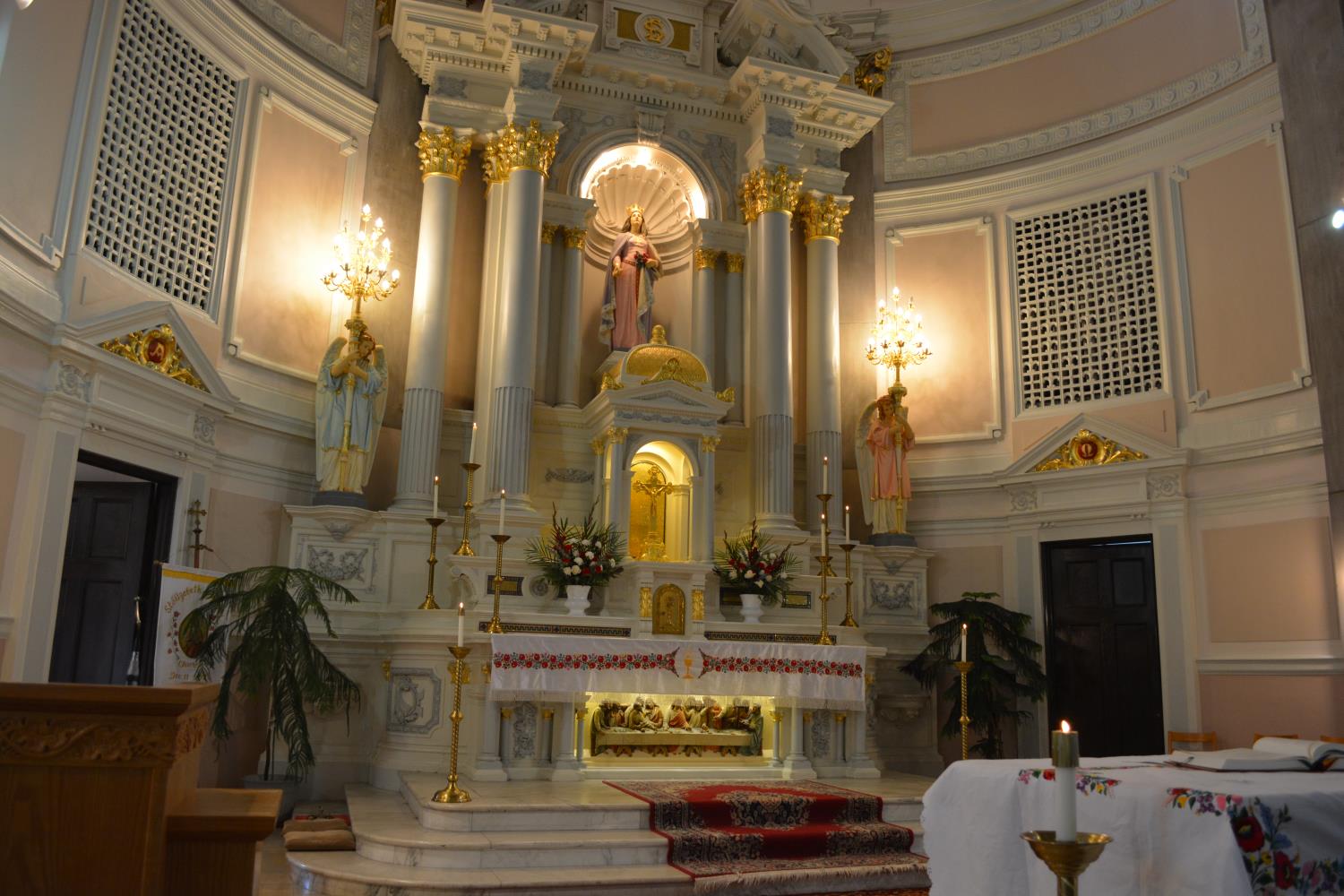
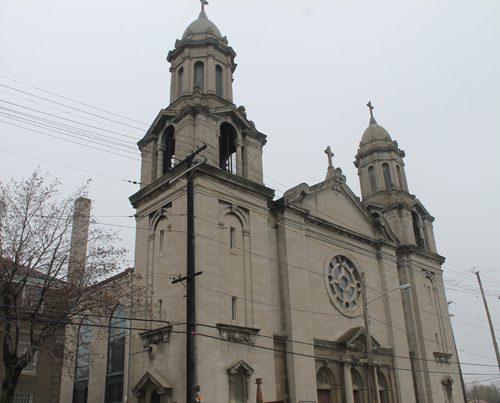
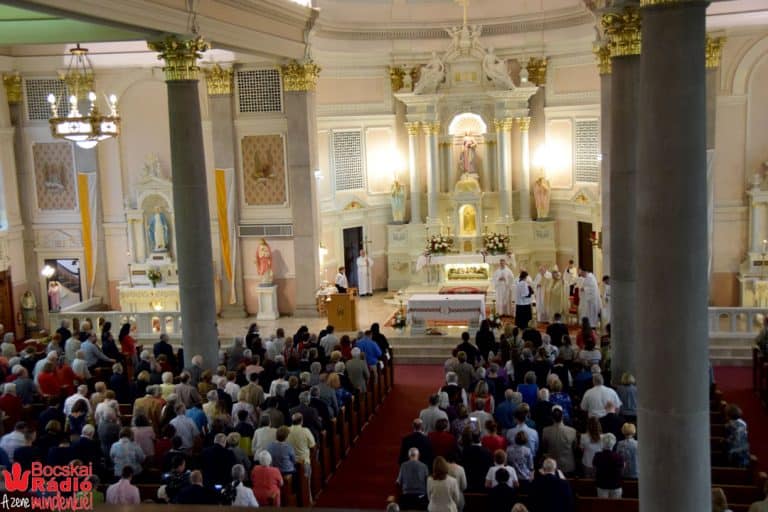
The community’s rapid growth soon made it necessary to build a church. By 1893, the first church was already standing, around which a school and community institutions were organized. The parish functioned not only as a religious center but also as a cultural and social hub: it maintained a school, published a newspaper, and, through Father Böhm’s missionary work, assisted Hungarian Catholics in other American cities. By the early 20th century, the community had grown so strong that they began construction on a new, larger church, which was finally completed in 1922 and still stands today as a monumental building.
The history of the church and the parish was closely intertwined with the fate of Hungarian Americans. The community flourished between the two world wars, boasting a significant number of parishioners, a school, and an active organizational life. However, in the second half of the 20th century, particularly from the 1960s onward, the parish’s membership gradually declined due to the economic decline of the neighborhood and the out-migration of the Hungarian population. Nevertheless, the church retained its role as one of the last centers of the Hungarian community in Cleveland.
Despite the long process of decline, the community survived, partly thanks to newer immigrants—especially those arriving after the political changes in Central Europe—who breathed new life into the parish. The church underwent continuous renovations and, in addition to religious life, also served cultural and community functions.
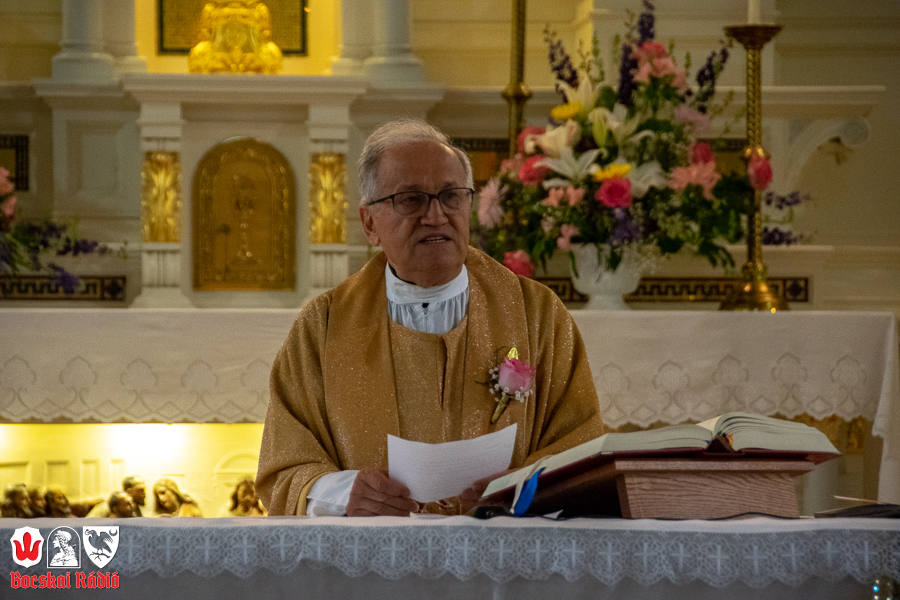
In recent decades, the church’s operations have adapted to changing circumstances. Due to a decline in the number of parishioners and organizational changes within the church, the parish established ties with other communities, and certain organizational mergers took place. In the 2010s and thereafter, regular Masses in Hungarian and English were held, and broadcasts and community events took place, demonstrating that the church remained an active religious center.
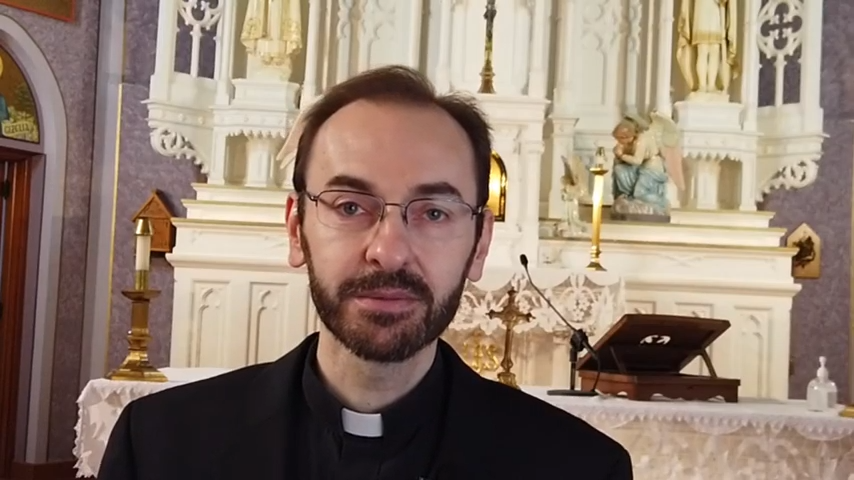
A notable recent development is that in 2023, the church was officially designated a shrine. This decision gave the building a new role: it became a center for the traditional Catholic liturgy (Tridentine Mass), and its operation was taken over by an international community of priests. This represents a kind of renewal and a new function for the historic church, which, in turn, meant the end of the Hungarian presence.
Overall, the history of St. Elizabeth Church in Cleveland traces the arc of Hungarian immigration, community building, decline, and renewal. Founded in the late 19th century, the parish became one of the most important institutions of the Hungarian community in America; it subsequently weakened due to the social changes of the second half of the 20th century, but did not cease to exist. Today, it continues to function in a new role as a historical and spiritual center, preserving its heritage of more than a century.