Historical directory of Hungarian, Hungarian-descended, and Hungarian-speaking clergy serving abroad


Árpádházi Szent Margit R. K. Egyházközség

Árpádházi Szent Margit R. K. Egyházközség
Type:Parish
Denomination:Roman Catholic
Name used locally:St. Margaret of Hungary Parish
Address:4680 Lander Rd.
City:Orange Village, OH, USA
Year of foundation:In 1921; the original church was built in 1930
Founders: Róth Richárd
Status after closure / current status:Operating without Hungarian presence

Description

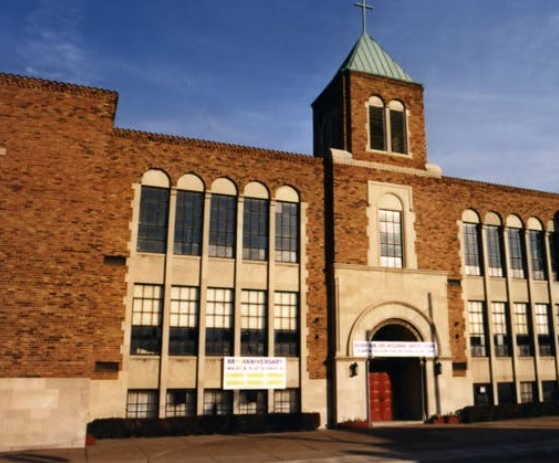
The St. Margaret of the House of Árpád Parish in Cleveland was established during World War I in response to the pastoral needs of the Hungarian immigrant community forming in the Buckeye Road area. The organization began in 1917, when, at the initiative of local Hungarian Catholics, Bishop Richard Roth entrusted Father Richard Roth with leading the mission. The first Mass was celebrated in 1919, and in 1921 the community was granted parish status, led by Father Ernő Rickert. The parish began to develop rapidly: the first church and community building were constructed in 1922, and a few years later, a large-scale confirmation ceremony took place under the leadership of Bishop István Zadravecz. The Sisters of Charity played an important role in religious education. Due to the needs of the growing community, a new, larger church and school were built under the leadership of Father András Koller; the new church was consecrated in 1930. During Father Koller’s long tenure, the parish became one of the most important spiritual and community centers for Hungarians in Cleveland. The parish also holds a special place in the history of Hungarian emigration because it chose Margaret of the House of Árpád as its patron saint even before her canonization, a decision later approved by special permission from Rome. The parish’s institutional structure continued to expand: a school and a convent were established, where the Daughters of the Divine Savior carried out their work as teachers and educators. It is noteworthy that all of this was achieved without significant financial burdens or taking out loans, even during the Great Depression. Following World War II, the transformation of the city’s structure also affected the community: parishioners moved to the suburbs in ever-increasing numbers. During the tenure of Fathers János Mundweil and Dezső Hoffman, the parish’s membership gradually declined. This process reached its peak during the ministry of Father László Rosko: the old church was sold, and the community reorganized itself at a new location, Orange Village. The new church and community center were consecrated in 1993. The history of the parish serves as a good example of the institution-building power of the Hungarian Catholic diaspora, as well as the process by which traditional ethnic parishes were forced to adapt to American social and demographic changes in the second half of the 20th century.

Related persons

No related persons yet.

Sources

  • Miklósházy:2008 — A tengerentúli emigráns magyar katolikus egyházi közösségek története Észak- és Dél-Amerikában, valamint Ausztráliában, 1–5. Összeáll. Miklósházy Attila, sajtó alá rend. Ligeti Angelus, Kiss G. Barnabás, Szent István Társulat, Budapest, 2008.

Suggested citation

Árpádházi Szent Margit R. K. Egyházközség. In: Directory of Diaspora Pastors. Available at: https://www.diaszporalelkipasztorok.hu/institutions/view.php?id=8 (accessed on: 2026-04-09).