Description
The history of the Holy Cross Hungarian Catholic Parish in Detroit is closely intertwined with the wave of Hungarian emigration in the early 20th century, during which Detroit’s industrial development attracted a significant number of Hungarian workers to the city. The community’s organized church structure took shape in 1905, when the Holy Cross Parish was established. Its founding pastor, Father Hubert Klenner, quickly laid the institutional foundations: the first church, the school, and the parish house were built, becoming the center of community and religious life. From the very beginning, the school played a significant role in preserving Hungarian identity, as evidenced by the growing number of students.
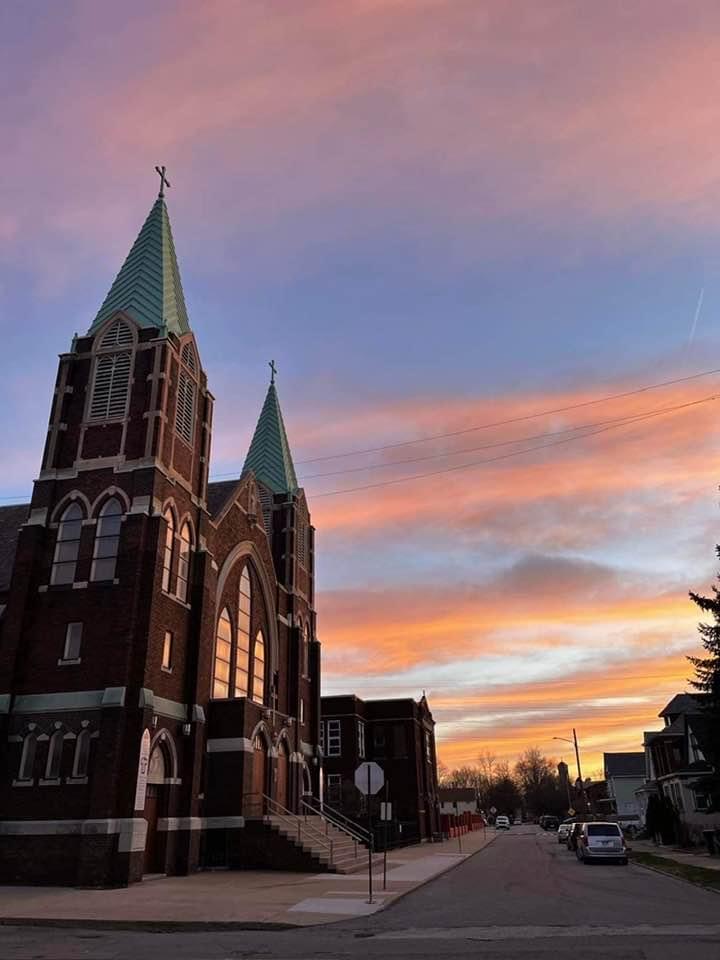
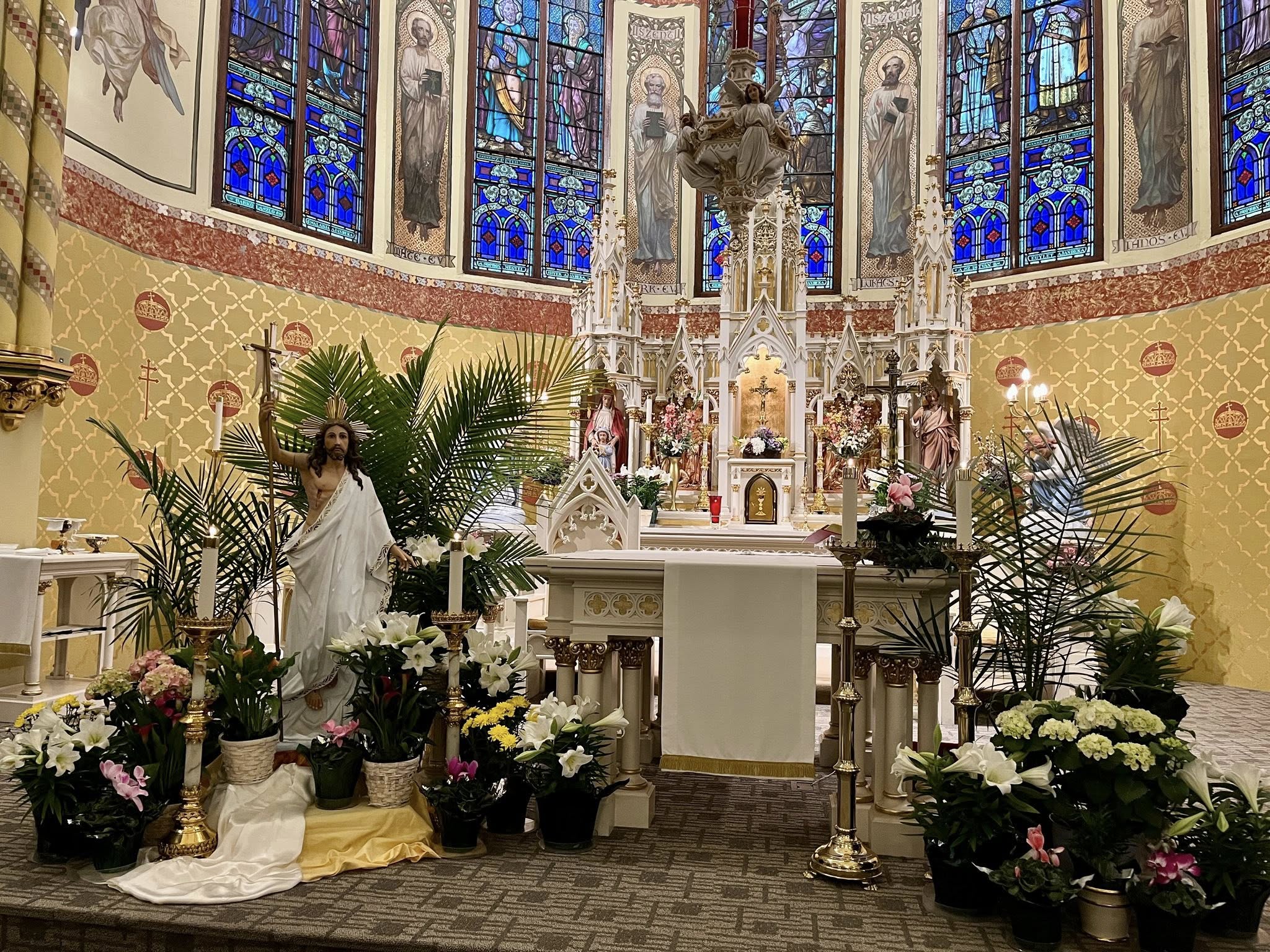
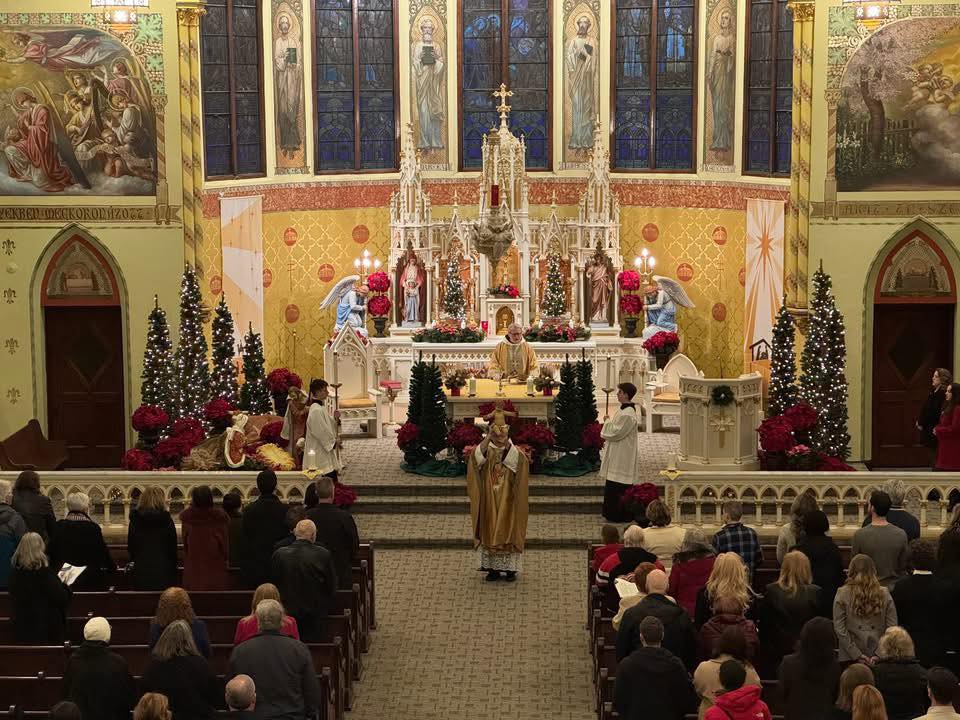
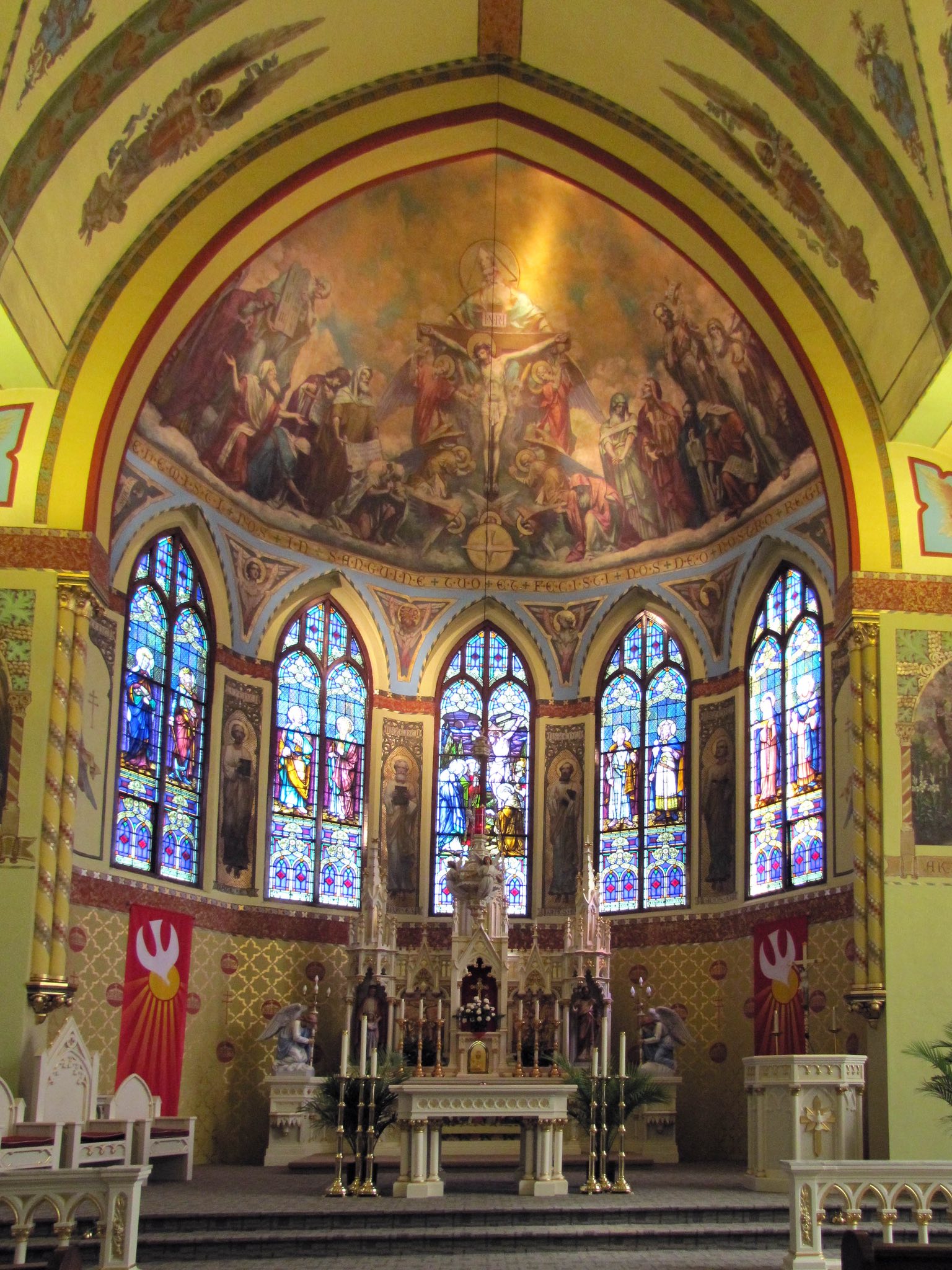
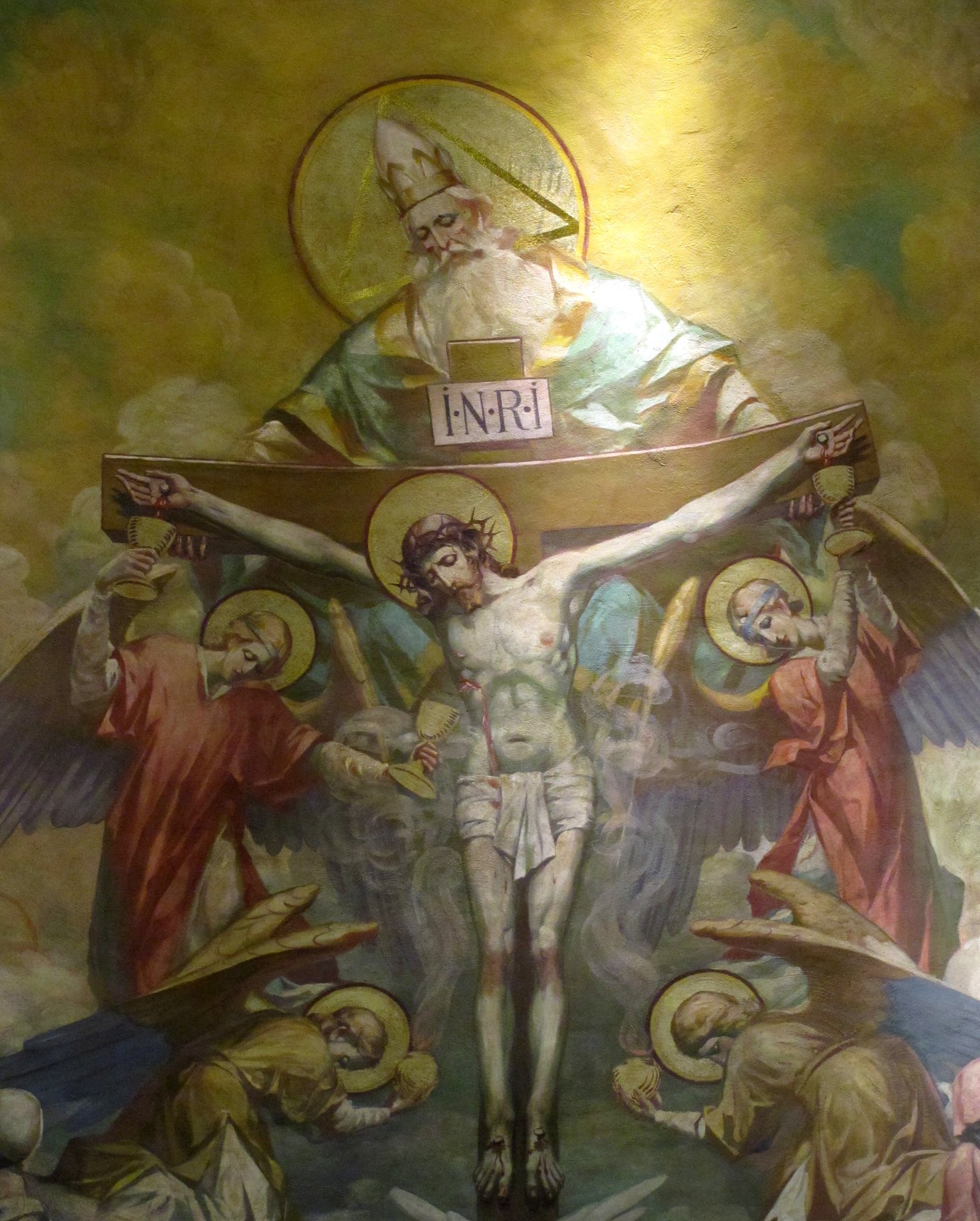
In the 1920s, we witnessed the community’s further strengthening. After a brief transitional period, under the leadership of Parish Priest Lajos Kovács, construction began on a new, monumental church, which was consecrated in 1925. The building was constructed in the Neo-Gothic style, and its artistic design—particularly the liturgical furnishings and stained-glass windows—served as a conscious expression of Hungarian Catholic identity. Following Kovács’s unexpected death, Prelate Dezső Nagy took over the leadership of the parish, a tenure that coincided with the Great Depression. Despite the difficult circumstances, the parish carried out significant charitable work, particularly through the operation of a soup kitchen, while institutional development did not stall: it was during this time that the church’s artistic stained-glass windows were installed, and Hungarian nuns took over the operation of the school.
Following World War II, during the long tenure of Pastor András Jakab, the parish became one of the most important centers of the Hungarian community in Detroit. In addition to the church and the school, numerous church and secular organizations operated, which enlivened community life. At the same time, social and demographic trends that would later lead to the decline of ethnic parishes began to emerge as early as the mid-20th century. Detroit’s economic decline and the migration of residents to the suburbs particularly affected the Hungarian community living in the Delray neighborhood. As a result, the school closed in 1970, and the number of parishioners gradually declined.
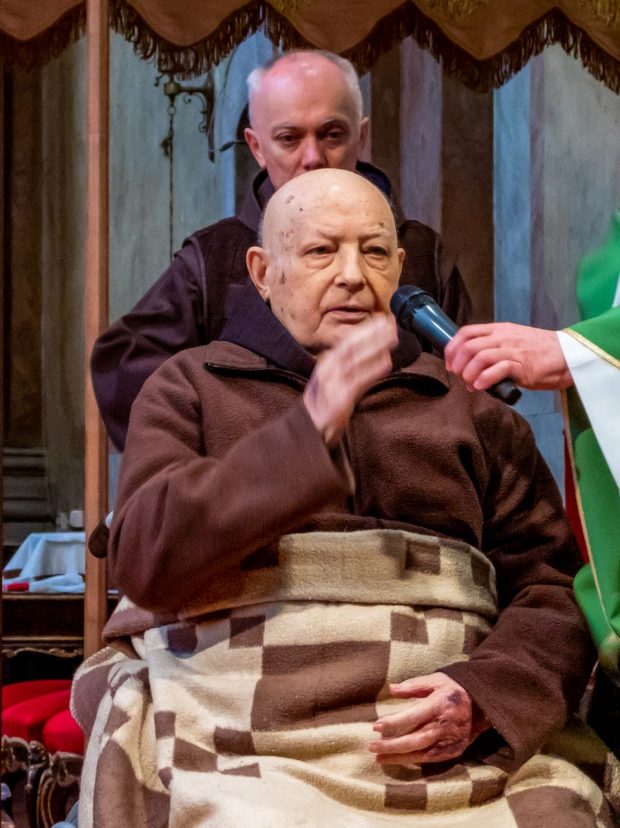
In 1974, the Franciscan Order took over the leadership of the parish, giving new impetus to community life. During the tenure of Franciscan Fathers Domonkos Csorba and later Vendel Pocsai, significant infrastructure improvements were made, and the reorganization of community life began. The preservation of the Hungarian language and culture continued to play a prominent role, as evidenced by the operation of the Hungarian school and regular church-community programs. In the early 1990s, the restructuring of the Franciscan institution led to a period of temporary uncertainty; however, new pastors—Fr. Barnabás Kiss and Fr. Angelus Ligeti—soon took over the leadership of the parish and initiated extensive renovation work.
At the end of the 20th century and the beginning of the 21st century, the Holy Cross parish underwent a significant renewal. The renovation of the church and its associated buildings, the modernization of the liturgical space, and the development of infrastructure enabled the community to continue its work. The centennial celebrated in 2005 was not only a historical milestone but also a testament to the community’s survival and adaptability. Today, Holy Cross Church operates as the only Hungarian Roman Catholic parish in the state of Michigan, playing not only a local but also a regional role in providing pastoral care to the Hungarian diaspora.
The history of the parish clearly reflects the institution-building efforts of the Hungarian Catholic diaspora, as well as the process through which ethnically based church communities were forced to adapt to American social and economic changes throughout the 20th century.