Description
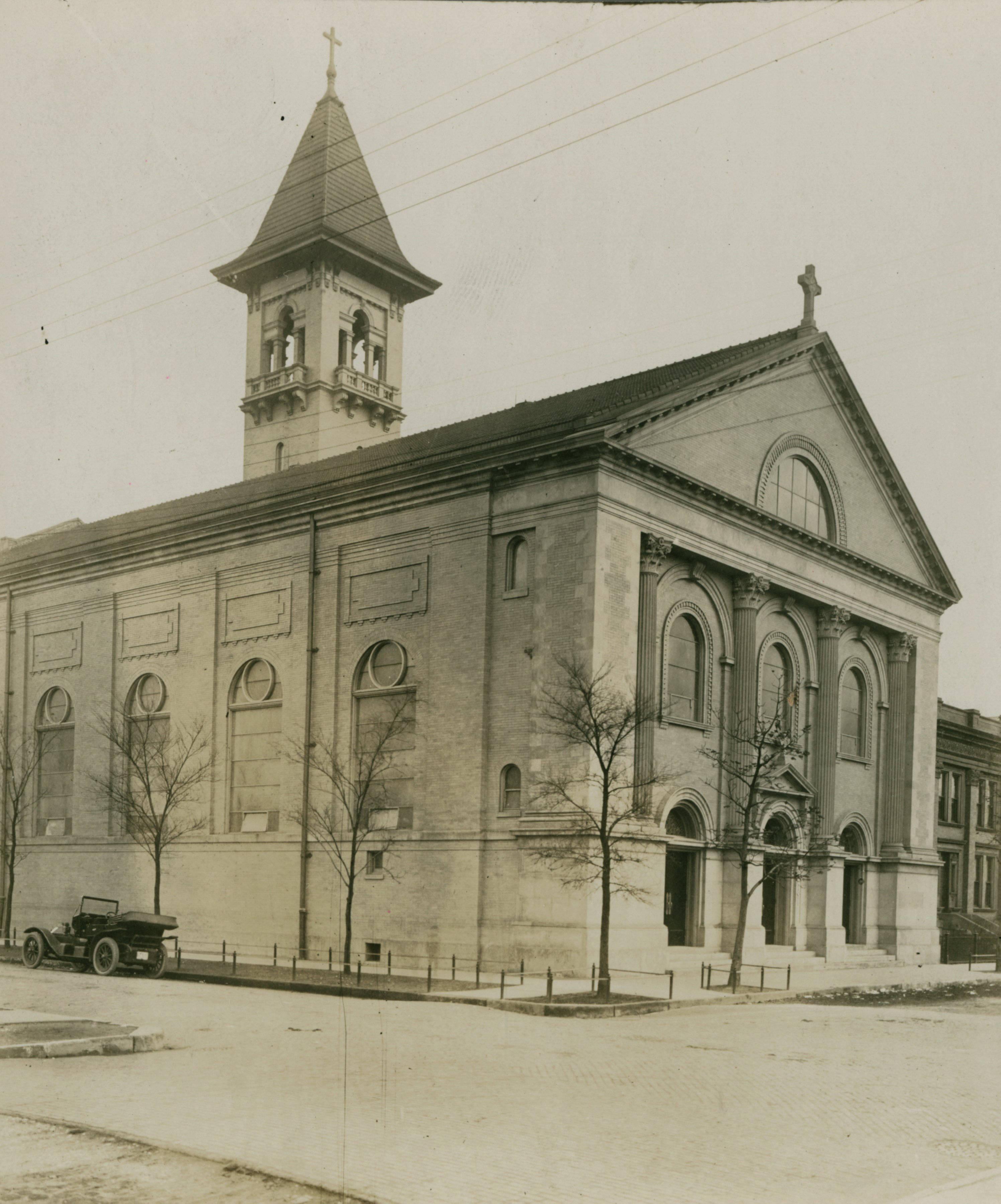
The institutional organization of the Hungarian Catholic community in Chicago began in the early 20th century, when the Parish of Our Lady of Hungary was established in the southern part of the city in 1903; it is considered the first permanently operating Hungarian parish in the area. The formation of the community was closely linked to the wave of industrial immigration, which drew a significant number of Hungarian workers to Chicago’s factory districts and necessitated the organization of pastoral care in their native language. For a long time, the parish was led by Msgr. Ernő Horváth, who ensured the community’s stable operation for some twenty-five years, while the church served not only as a religious center but also as a hub for preserving identity. During the interwar period, however, the Hungarian population gradually moved northwest, leading to a decline in the southern parish’s significance and ultimately its dissolution, while its parishioners integrated into newly formed communities.
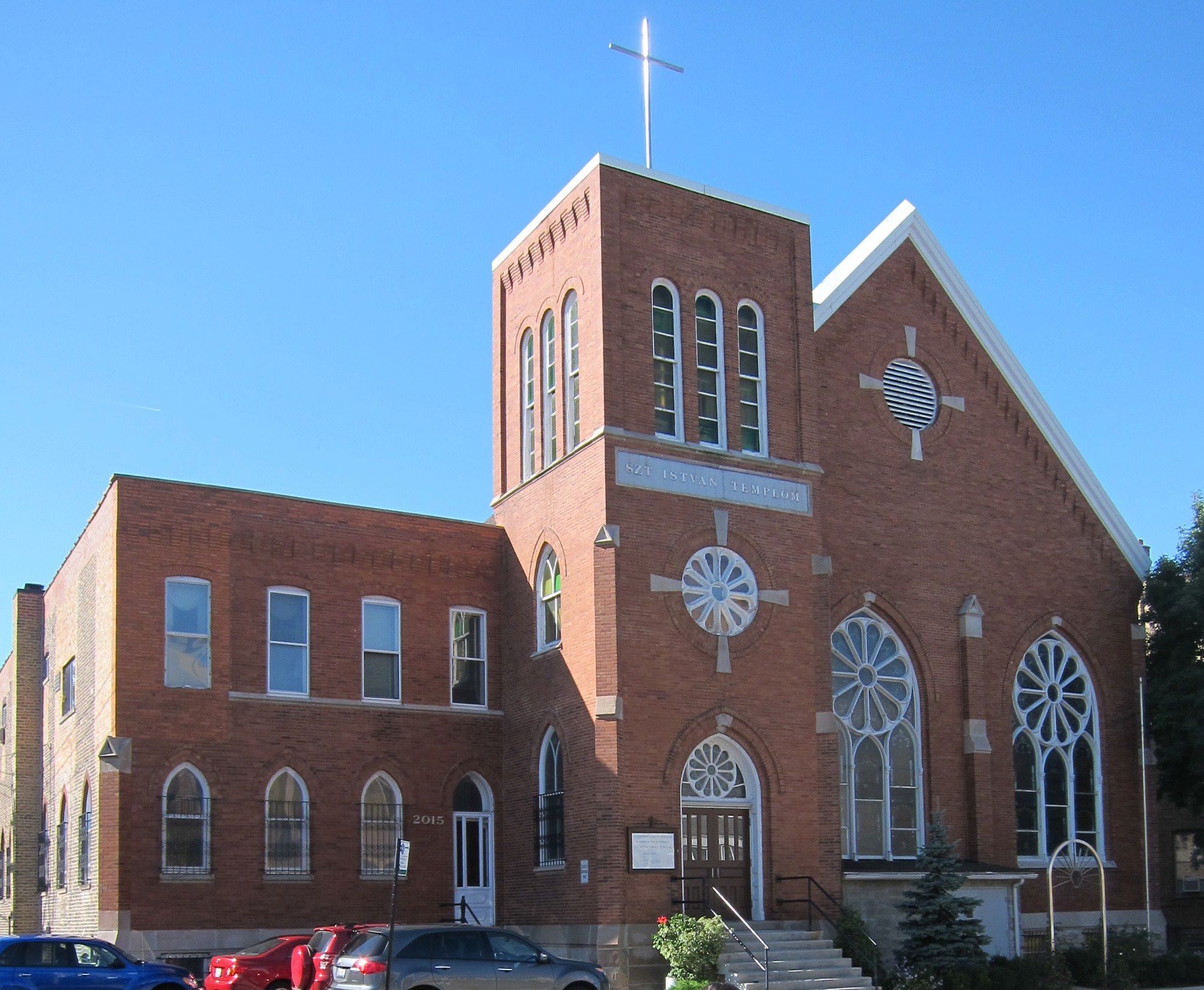
In the northwestern part of the city, Hungarian parishioners had already been gathering in a rented church between 1930 and 1932, where the first pastoral ministry was carried out by Rev. Ferenc Grossz, followed by Rev. István Nagy. The independent parish was officially established in 1934 under the title of St. Stephen the King, which simultaneously expressed the unity of religious and national identity. The first parish priest was Rev. Imre Kasztovszky, who led the community from 1934 to 1938; he was briefly succeeded by Rev. Jakab Wildinger, who, however, passed away that same year. By this time, the parishioners were already planning to build their own church in the vicinity of W. Augusta Boulevard, a project that was realized shortly thereafter and became the new center of Hungarian Catholic life in Chicago.
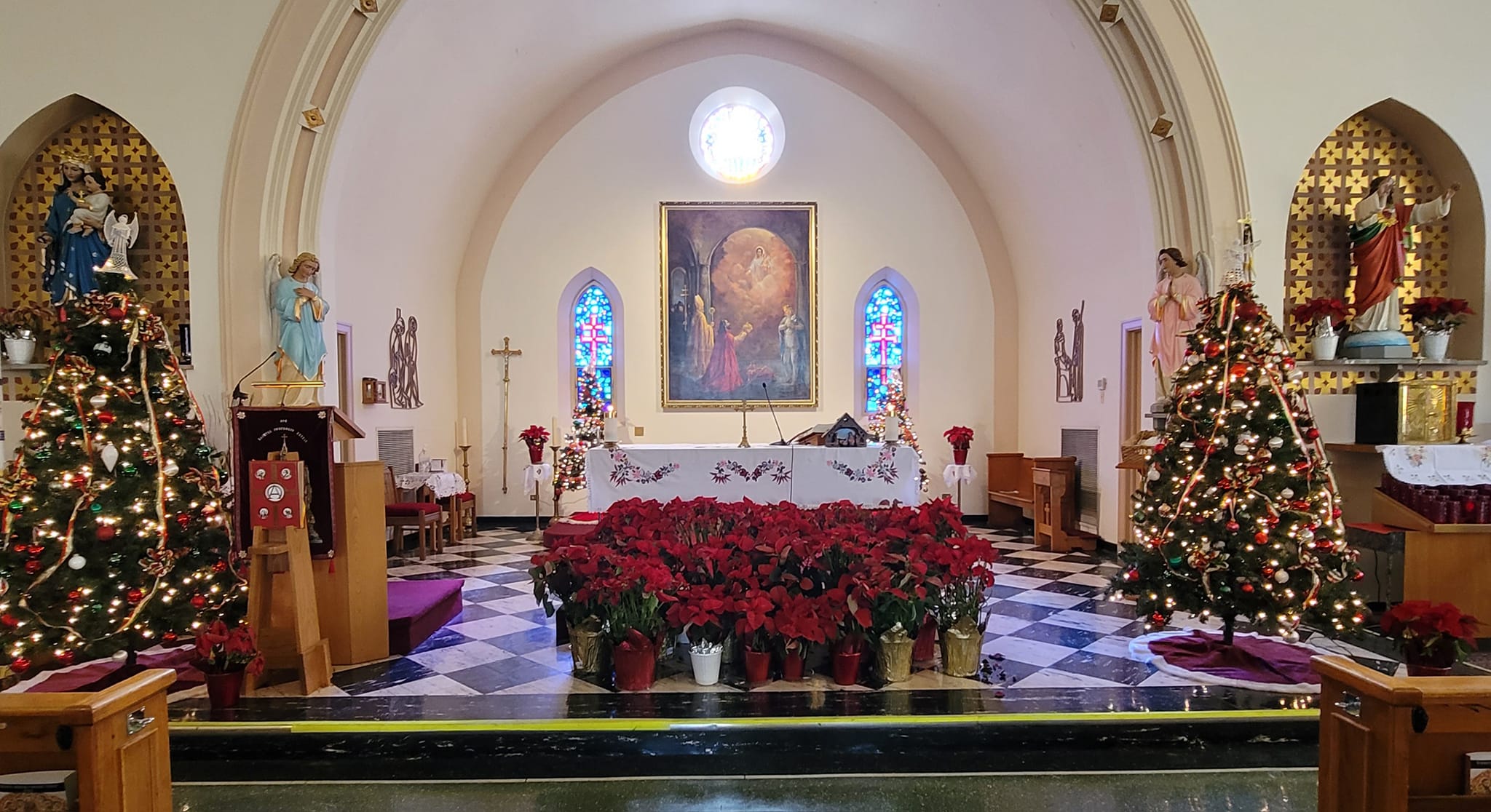
A defining era in the parish’s history was marked by the more than three and a half decades of service provided by Rev. Dr. József Magyar between 1938 and 1974, during which time the community grew stronger both organizationally and culturally. The church was consecrated in 1939 by Cardinal Samuel Stritch, marking the diocese’s solemn recognition of the Hungarian Catholic presence. Due to the growing number of parishioners, the church was expanded in 1954, and a community space was created in the basement, which became an important venue for social and cultural life. During this period, a vibrant community life flourished, including the Congregation of St. Teresa, the St. Elizabeth Altar Society, and the Society of the Holy Name. Meanwhile, the community not only served its own members but also supported those in need in Hungary, particularly during the world wars, and maintained close ties with other ethnic Catholic communities, including the Polish and English-speaking congregations.
A new era began in 1974 when the Premonstratensian monk Fr. Dr. Mihályi Gilbert OPraem became the parish priest, who consciously sought to preserve Hungarian identity amid growing pressures of assimilation. During his tenure, he organized a Hungarian school, established a library, and encouraged the development of community and cultural life, while the parish remained an important gathering place for Hungarians living in the diaspora. A highlight was the visit of József Mindszenty to Chicago, which was of decisive importance to the community not only from a religious but also from a national perspective. He was succeeded by Fr. András Eördögh, S.J., who served from 1987 to 1991 and carried out significant renovations to the church and the parish; then, in 1991, Attila Miklósházy visited the parish, which once again strengthened ties with the Hungarian church leadership. From 1991 to 1998, Fr. József Somos led the parish, enriching liturgical life through his musical activities, before returning to Hungary for health reasons.
By the beginning of the 21st century, the community’s situation had changed significantly when, in 2000, Fr. László Vas was appointed administrator, while the number of parishioners declined and the process of assimilation accelerated. The general structural reorganizations of the American Catholic Church, particularly the consolidation and dissolution of ethnic parishes, also affected the Hungarian community in Chicago, and the formerly independent Hungarian parish life gradually merged into the local church structure. After László Vas’s departure to Passaic, no new Hungarian pastor arrived; Father Alfonz Skerl assists periodically, but the parish leader became an American priest, though the Hungarian community remained.
On March 18, 2021, based on the decision of the Archbishop of Chicago, the independent parish status was abolished.
The Archdiocese of Chicago notes that demographic changes, as well as a decline in the number of parishioners and their financial resources, have had a significant impact on the parish’s operations. Due to these circumstances, it became necessary to review and restructure the parish.
Accordingly, as part of the “Renew My Church” program, the Archdiocese has decided to designate St. Stephen the King Parish as an “extinct parish,” meaning its status as an independent parish will cease.
At the same time, pastoral care for the church and the community will not cease entirely:
the former parish will continue to operate as a mission, which will continue to serve Hungarian-speaking parishioners, with particular regard to maintaining the Hungarian-language liturgy.
The decision states that:
1. the parish’s legal personality ceases to exist,
2. the church’s assets and liabilities are transferred to the structure designated by the archdiocese,
3. pastoral ministry continues in a new form, within a mission framework.