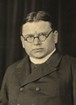
Veszprém, Austro-Hungarian Monarchy, currently Hungary — June 29, 1882
Place of burial:
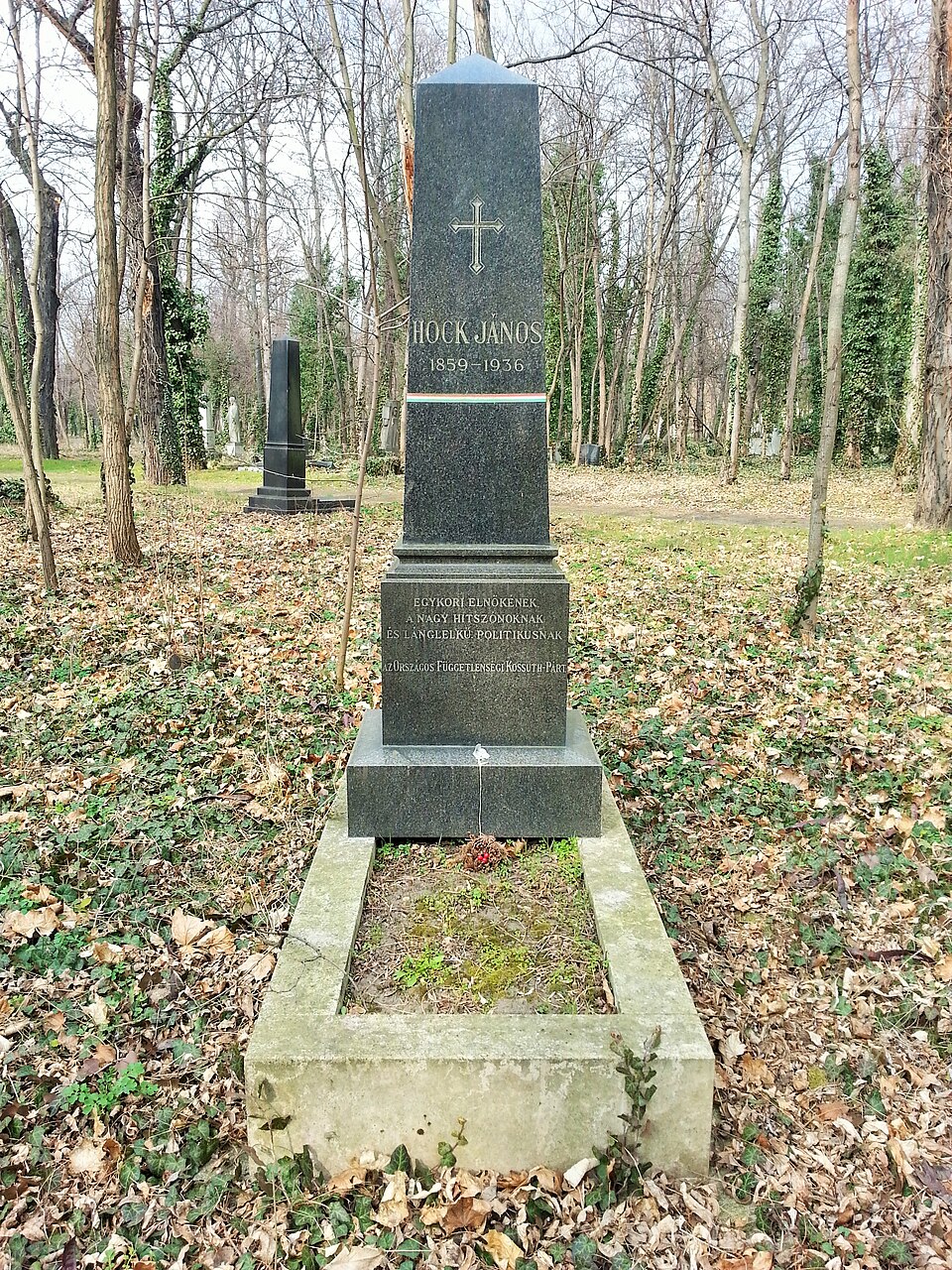
Fiumei úti sírkert
Budapest, Hungary
Biographical data
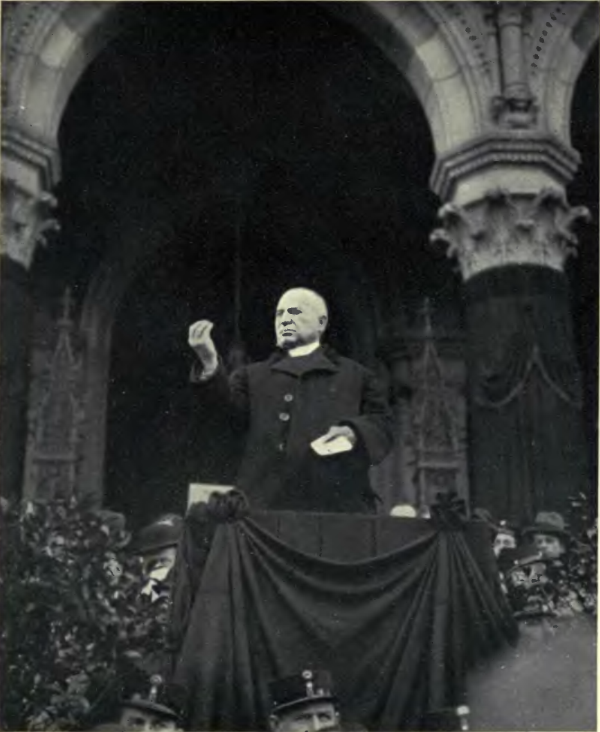
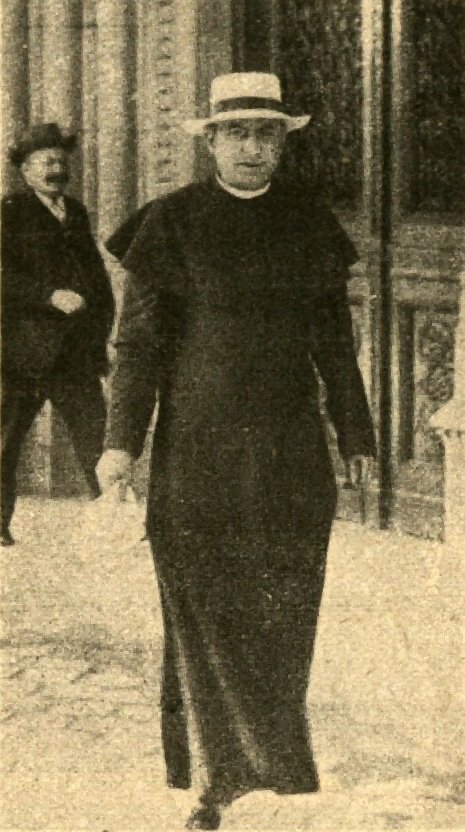
A politician and writer, he served as the short-lived president of the Hungarian National Council.
János Hock was born in Devecser, the eldest of eight children born to Károly Hock and Eleonóra Halvax (“Lóri”). His father was a tailor and later served as the town’s assistant clerk. He completed his secondary education at the Benedictine school in Pápa and then at the local Reformed college. He studied theology in Veszprém. He was ordained a priest on June 29, 1882. He served as a member of the National Assembly beginning in 1887. He was first elected to the National Assembly as a liberal in the Szili district of Somogy County, then switched to the National Party during the 1887 session of the National Assembly. As a member of that party, he was elected in Csongrád in 1892. He was a member of the Committee on Public Education.
From 1899, he served as bishop of the Diocese of Esztergom.
Later, he returned to liberal politics as a supporter of Dezső Bánffy; from 1910, he was a member of the Justh Party, and later became a supporter of Mihály Károlyi. He joined the Freemason movement. On November 1, 1918, he succeeded Mihály Károlyi—who had been promoted to Prime Minister—as President of the Hungarian National Council. Disillusioned with the new regime, he requested early retirement and withdrew from politics.
After the proclamation of the Soviet Republic (March 21, 1919), he first emigrated to Czechoslovakia, then to Vienna, and finally to the United States. From there, he returned to Europe, living in Paris and then again in Vienna. He criticized the Horthy regime in several articles. For a time, he was suspended from his priestly duties for political reasons.
Nevertheless, he returned home in 1933. Based on charges brought against him at the time (multiple counts of defamation of the nation and insulting the governor) stemming from articles he had written abroad, he was brought to trial and sentenced to one year in prison. He was imprisoned in November 1934, where he remained under continuous medical care, and was granted a pardon on June 18, 1935.
Domestic service locations
From
To
Place i
Current name, country i
Church / institution
Position
1882
Gógánfa, Austro-Hungarian Monarchy
Hungary
assistant pastor
1883
Tábori, Austro-Hungarian Monarchy
Hungary
pastor
1884
1887
Kaposvár, Austro-Hungarian Monarchy
Hungary
assistant pastor and religion teacher
1899
1912
Budapest - Kőbánya, Austro-Hungarian Monarchy
Budapest - X. kerület, Hungary
parish priest
1912
1919
Budapest - Józsefváros, Austro-Hungarian Monarchy
Budapest - VIII. kerület, Hungary
parish priest
Foreign service locations
From
To
Place
Current name, country
Church / institution
Position
1920
1933
USA
He undertook several missionary trips, but these were primarily political in nature; he was not granted permission to celebrate Mass
Literary activity
Több teológiai, vallástörténeti és szépirodalmi művet írt. Mátyás-templomi szentbeszédeit is megjelentette. Szerkesztésében jelent meg a Nemzeti dicsőségünk – Fényes korszakok a Magyar Nemzet történelméből című díszalbum 1900-ban.
Költemények (Kaposvár, 1882)
Az igaz nő. (Marschal V. után ford. Kaposvár, 1884)
Alkalmi költemény Roboz István 40 éves irodalmi működésének emlékére, Kaposvár, év n. (Mind a három Dereskei névvel.)
Hervadt levelek (Elbeszélések. Budapest, 1885)
A magyar főpapság (Budapest, 1890)
Nagybőjti szentbeszédek. (A szent Ferencziek budapesti templomában tartotta.) Budapest, 1891. (2. kiadás. Budapest, 1894.)
Imakönyv (Rajzokkal és négy acélmetszettel, 1892, Athenaeum R. Társ. Könyvnyomdája)
Szentbeszéd. A kórházi betegek felsegélyezésére alakult Szamaritánus-egyesület javára, a fővárosi Ferencz-rendiek templomában 1892. május 1. Budapest, 1892.
Szivárvány (tárcák, 1894, Athenaeum Irodalmi és Nyomdai Rt.)
Vigasztalások könyve, Elmélkedések és hangulatok (1896, Budapest) Újból kiadva: 1902, Athenaeum Irodalmi és Nyomdai Rt.
Művészeti reform (1898, Budapest)
Rákócziné (1905, történeti elbeszélés Rákóczi Ferencné életéről, Budapest, Athenaeum Irodalmi és Nyomdai Rt.)
Jézus élete (1905, Athenaeum Irodalmi és Nyomdai Rt.)
Virágmesék (1931, E.- Prager-Verlag)
Börtönvirágok (1935, magánkiadású napló, Budapest)
Az élet könyve (1936, magánkiadás)
Az ember könyve (1937, Újvidék, magánkiadás)
Modern miszticizmus (1938, Budapest, magánkiadás)
A teremtés könyve. Vallás-filozófiai tanulmány (1939, Urbányi István kiadása):
I. kötet
II. kötet
A törvények könyve (1939, Urbányi István kiadása)
Az Isten könyve (1940, Budapest, Urbányi István kiadása)
A bukás könyve (1941, Urbányi István kiadása)
A megváltás könyve (1942, magánkiadás)
Gondolatok (1943, Budapest)
Hitvédelmi tanulmányok (1943, Budapest)
Hock János: personal record. In: Historical directory of Hungarian, Hungarian-descended, and Hungarian-speaking clergy serving abroad. Available at: https://www.diaszporalelkipasztorok.hu/persons_v2/view.php?id=398 (accessed: 2026-09-13).
Last modified: June 8, 2026 10:50 |
Opened: 5 times