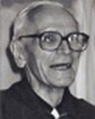
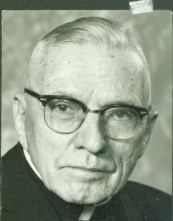
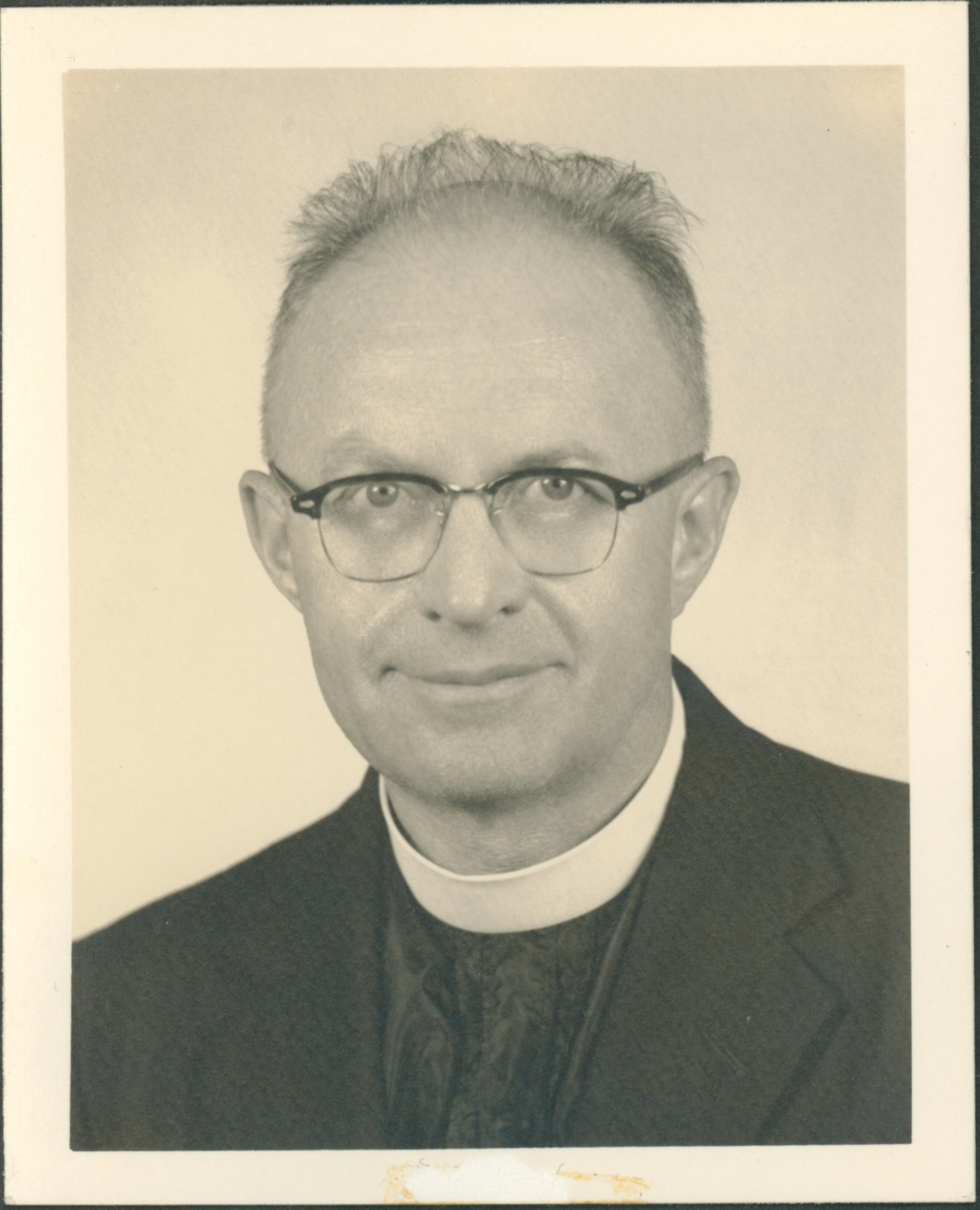
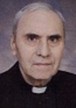
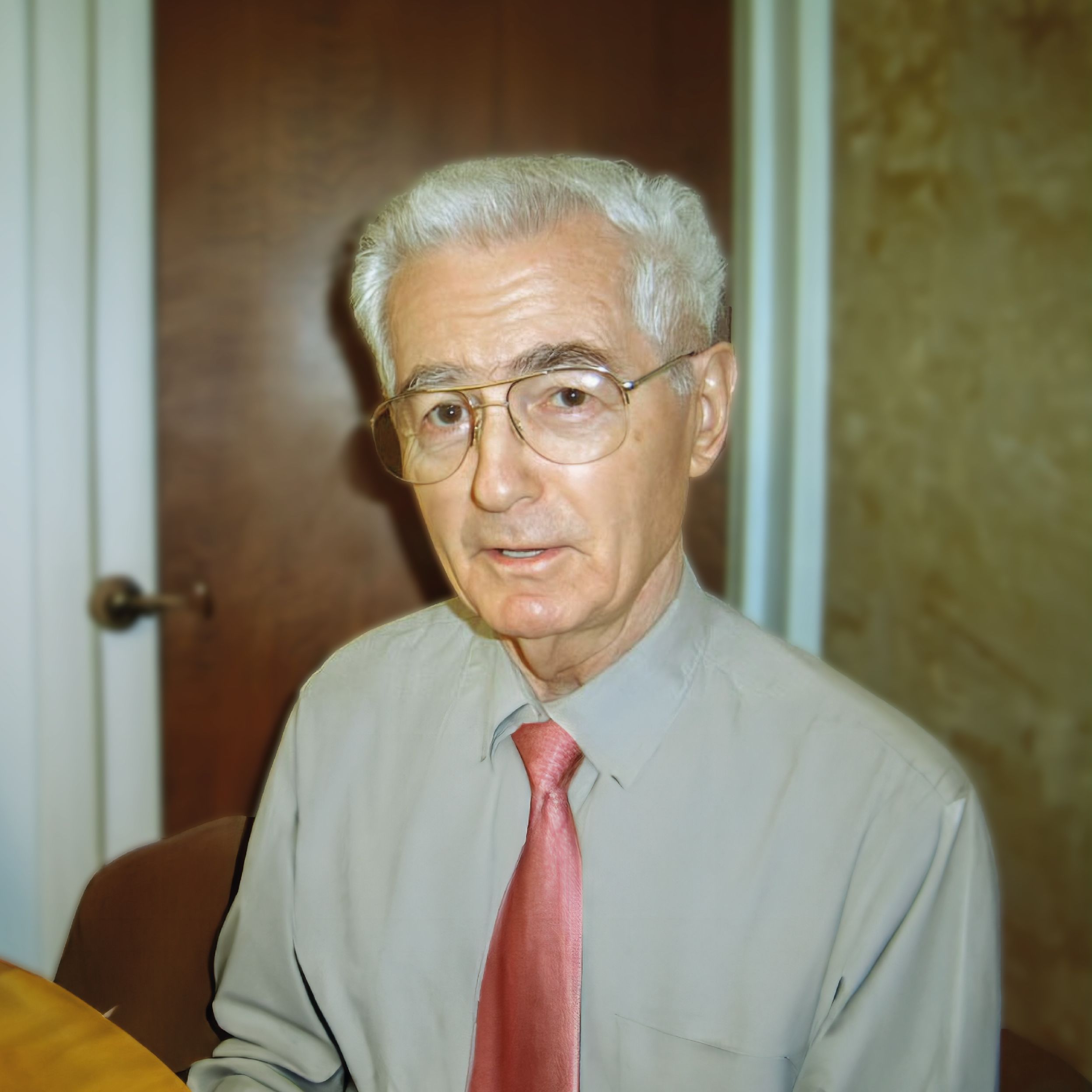
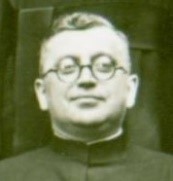
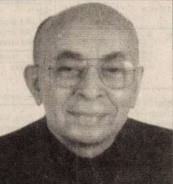
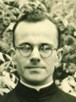
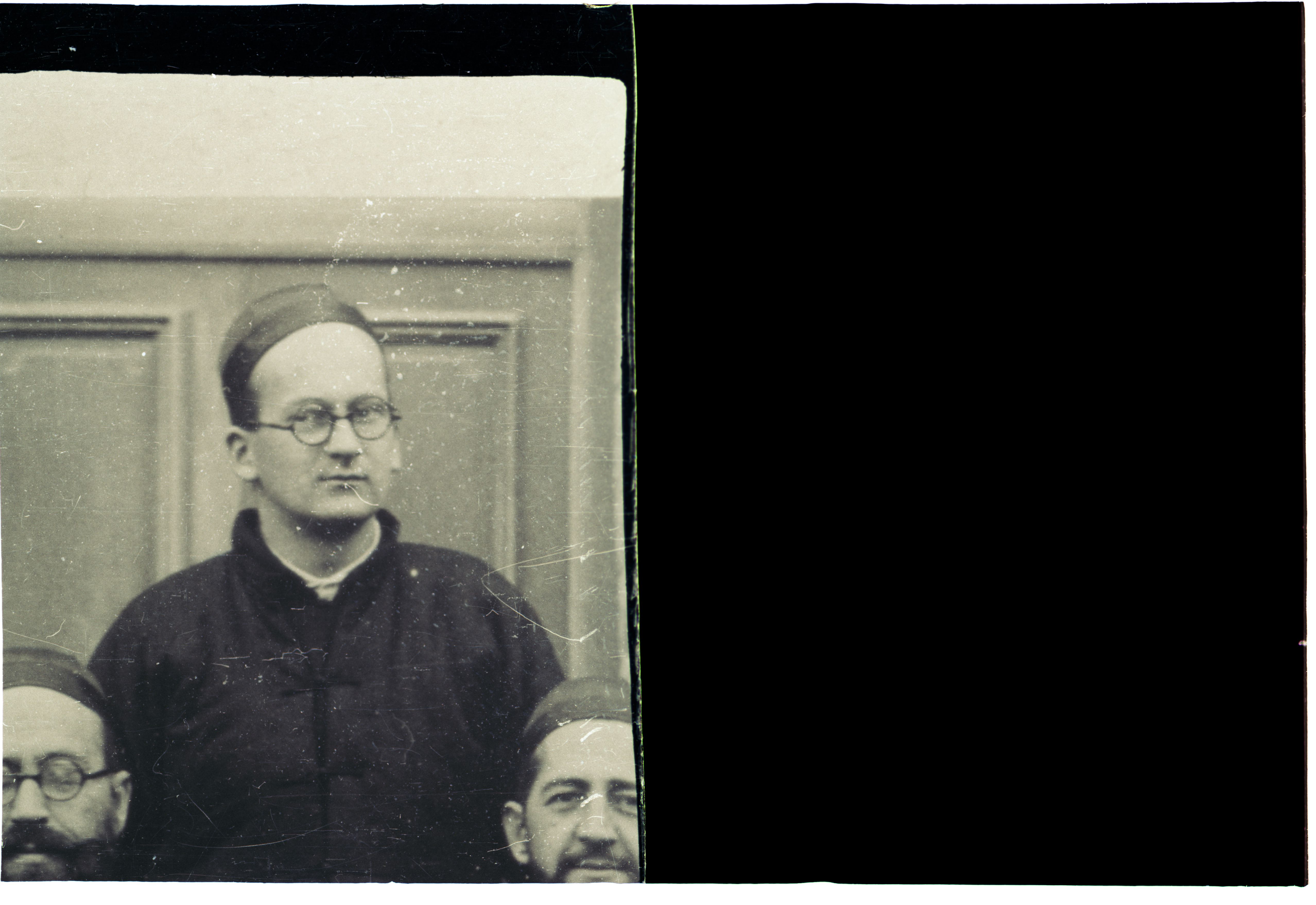
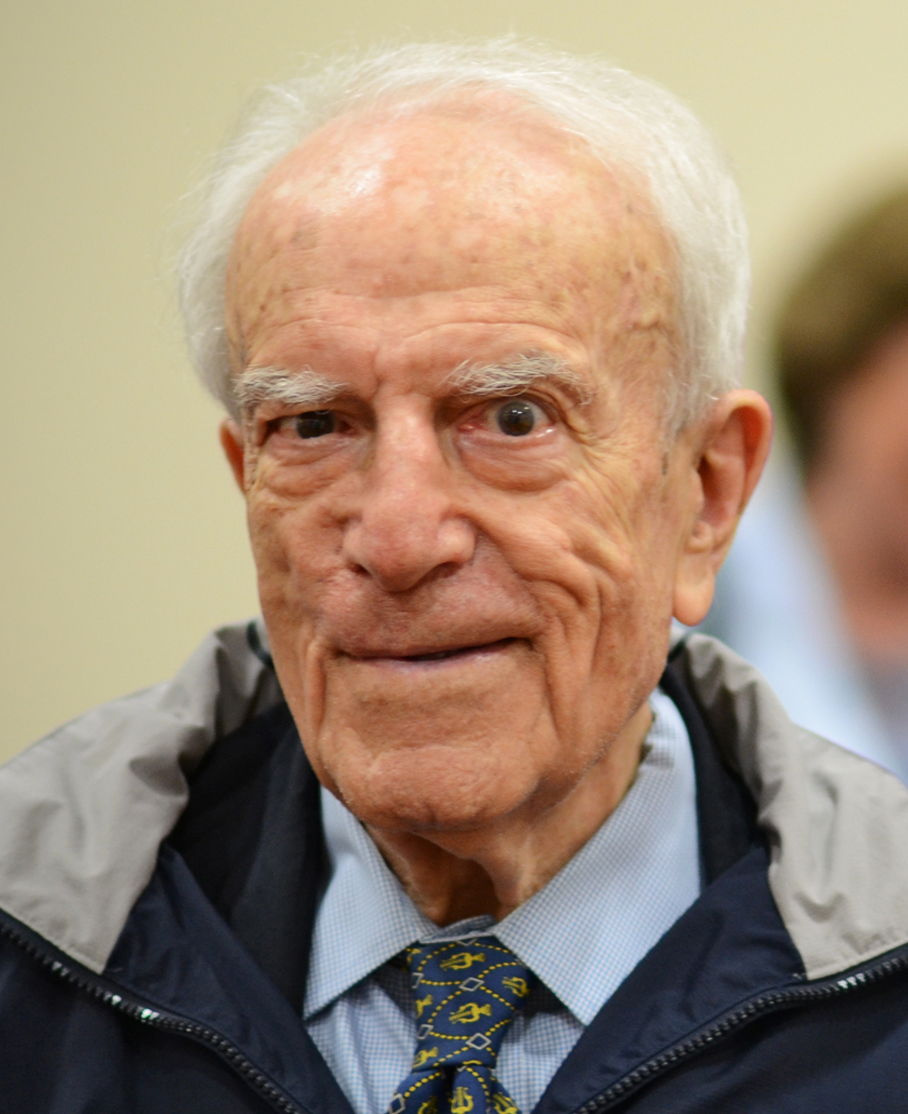
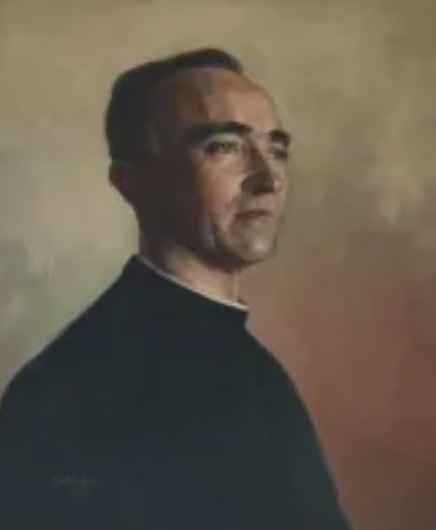
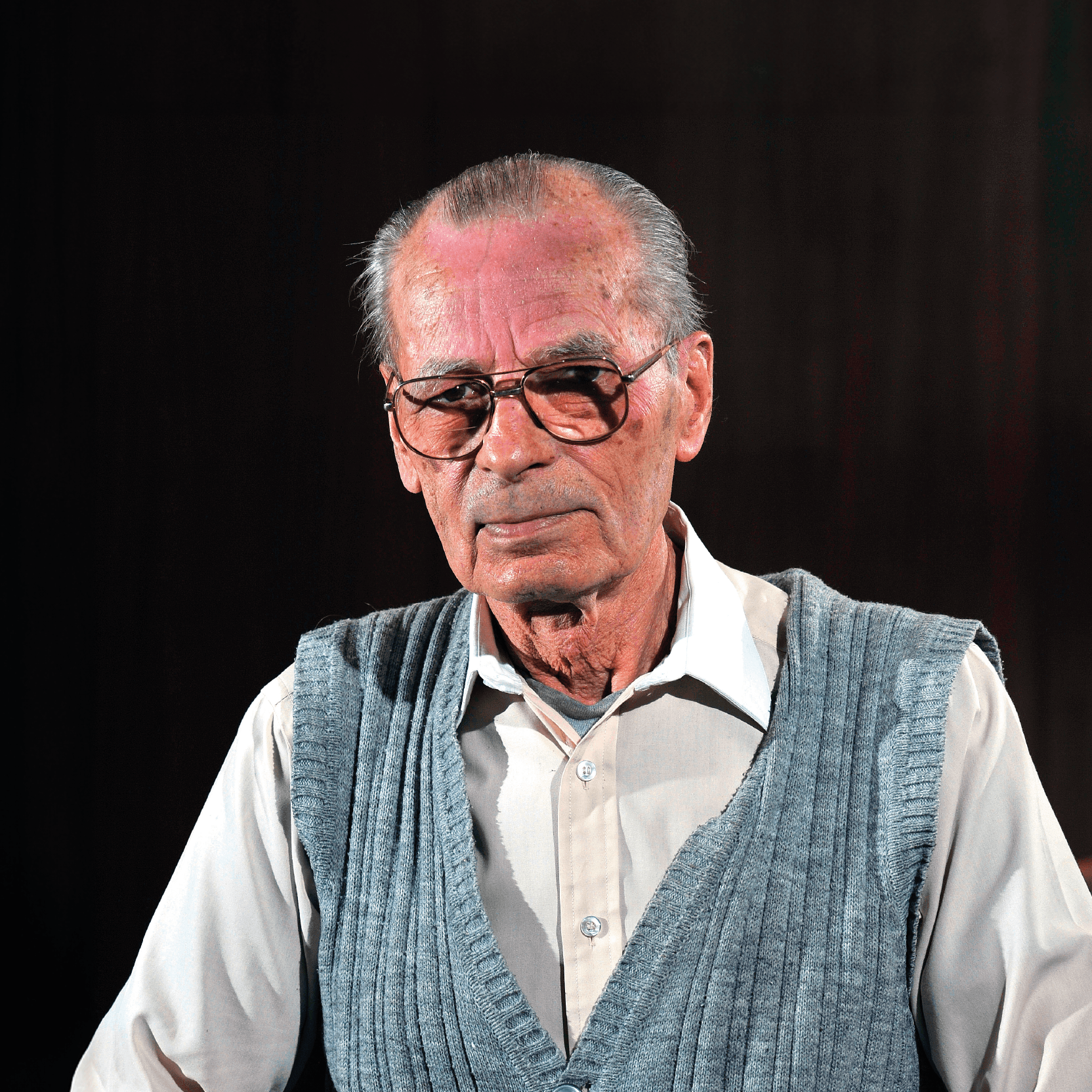
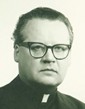
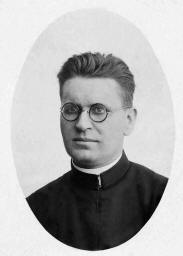
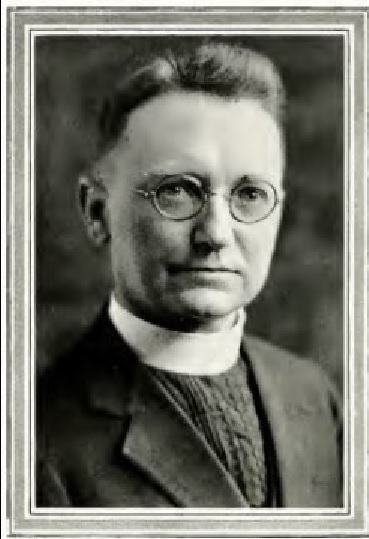
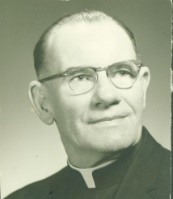
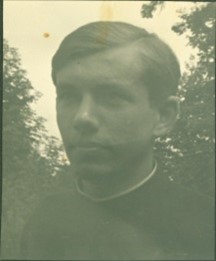
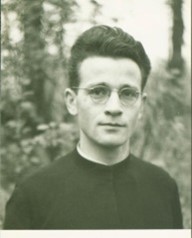
Zólyom, Austro-Hungarian Monarchy, currently Zvolen, Slovakia — April 22, 1898
Death data:
Friesenheim, NSZK, currently Germany — May 6, 1965
Denomination:
Roman Catholic
Ecclesiastical status:
diocesan
previously: religious
Diocese / Order:
jezsuita (Societas Jesu) (1949-ig) → Freiburg, NSZK, Németország
Ordination level:
priest
Entry into religious life:
Nagyszombat, Austro-Hungarian Monarchy, currently Trenčín, Slovakia — August 8, 1913
Priestly ordination:
Róma, Italy — 1926
Other name used:
Janicsek
Biographical data
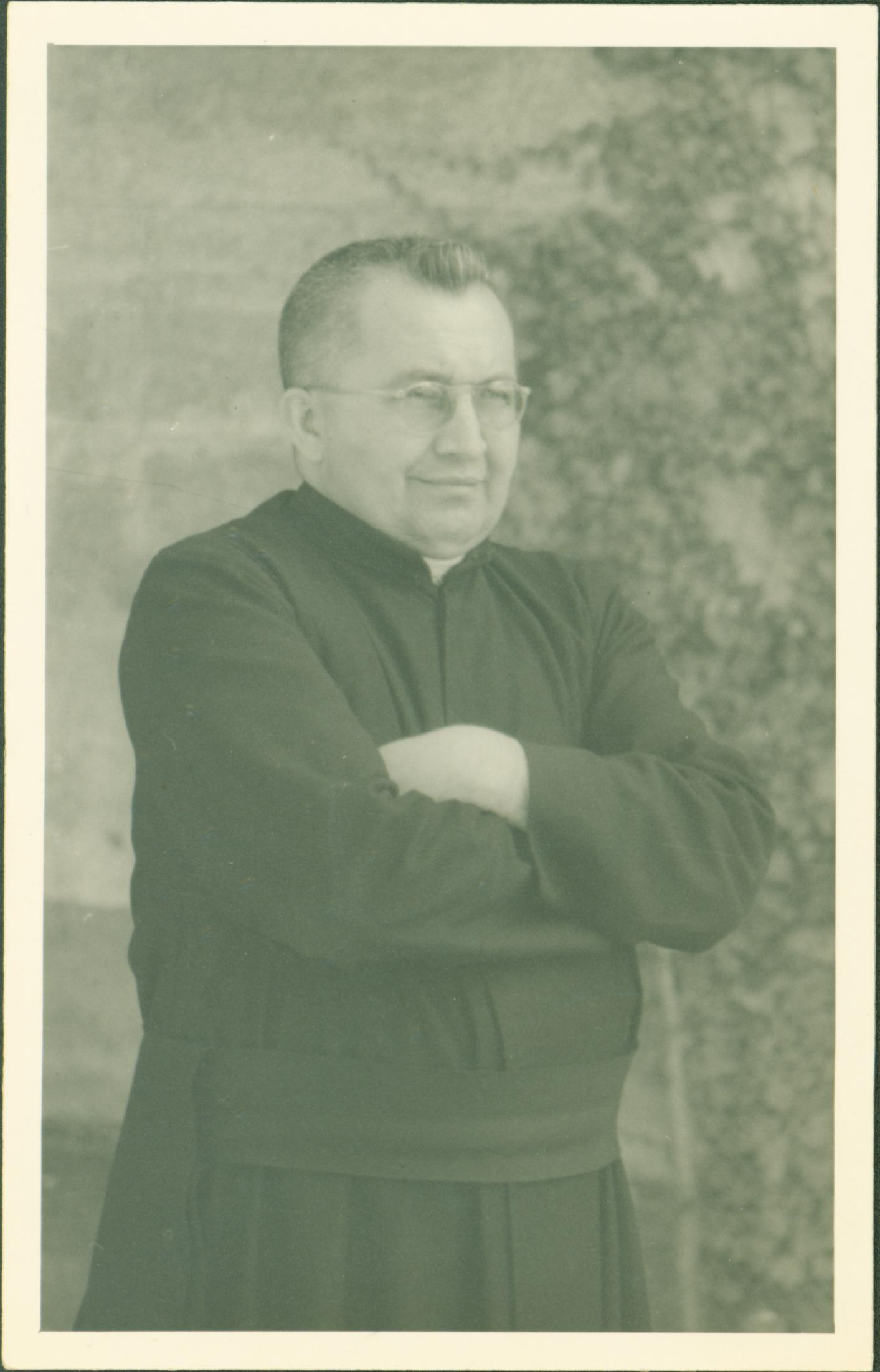
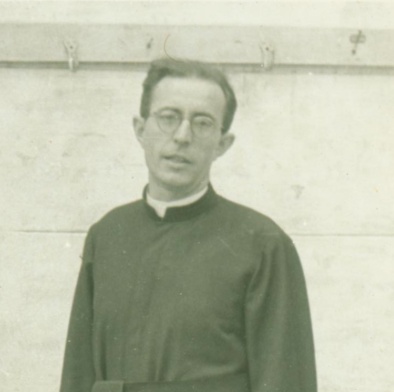
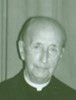
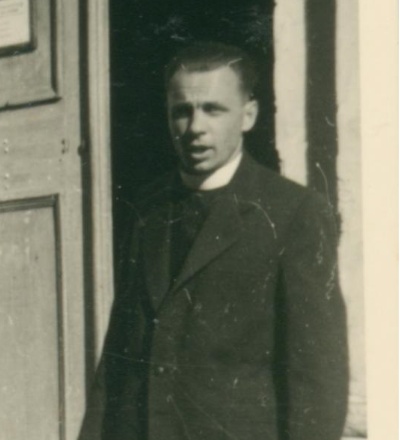
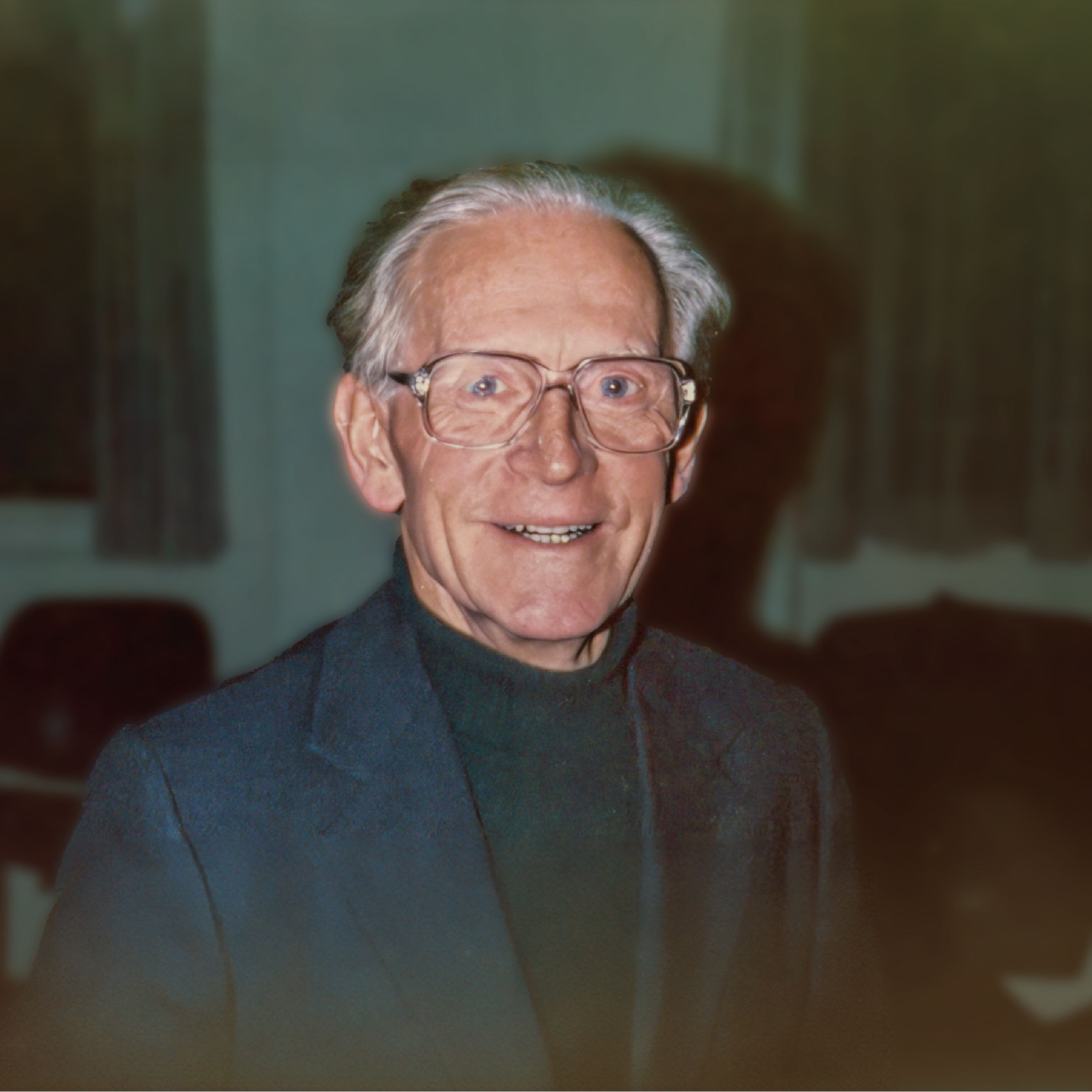
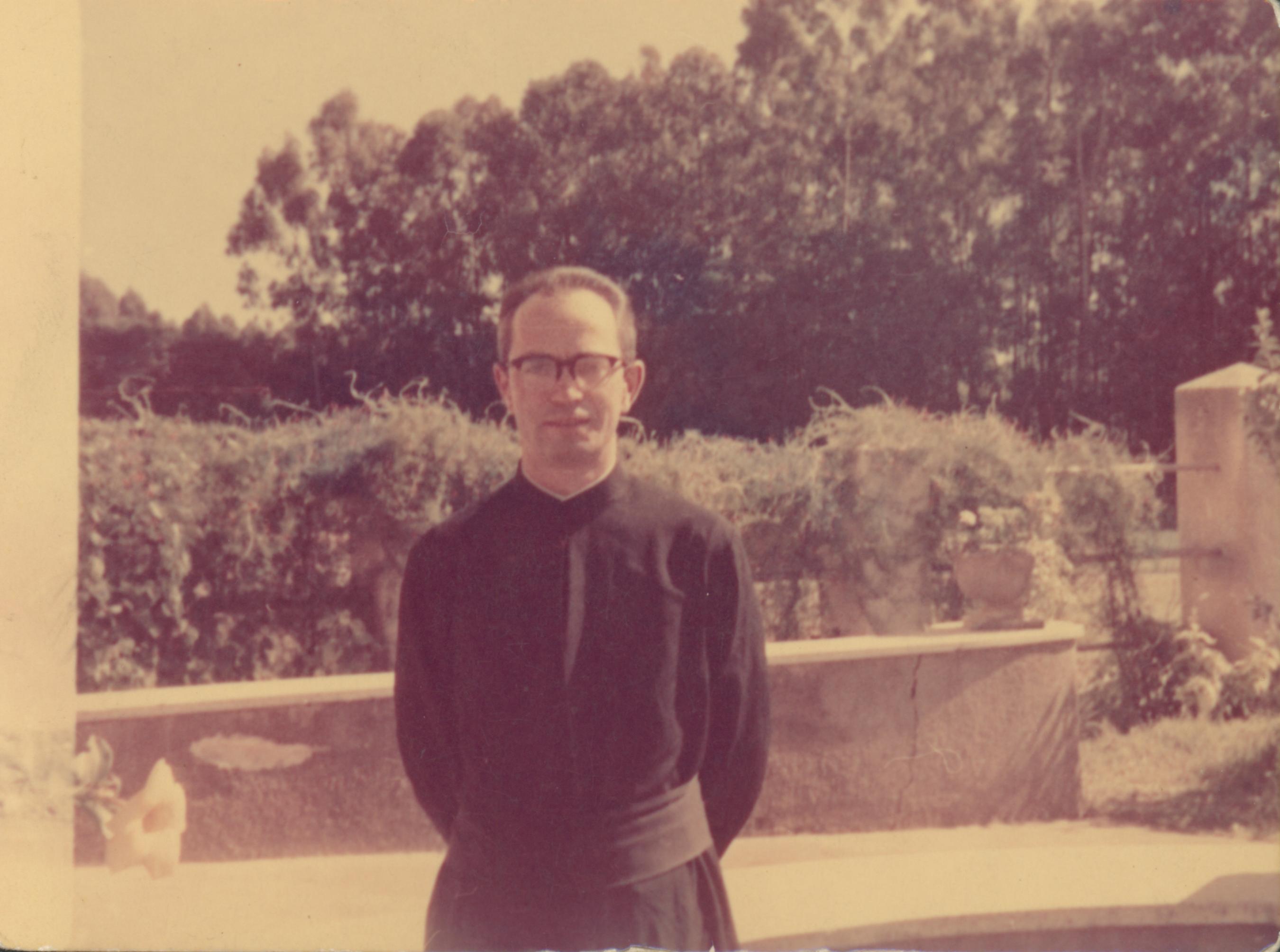
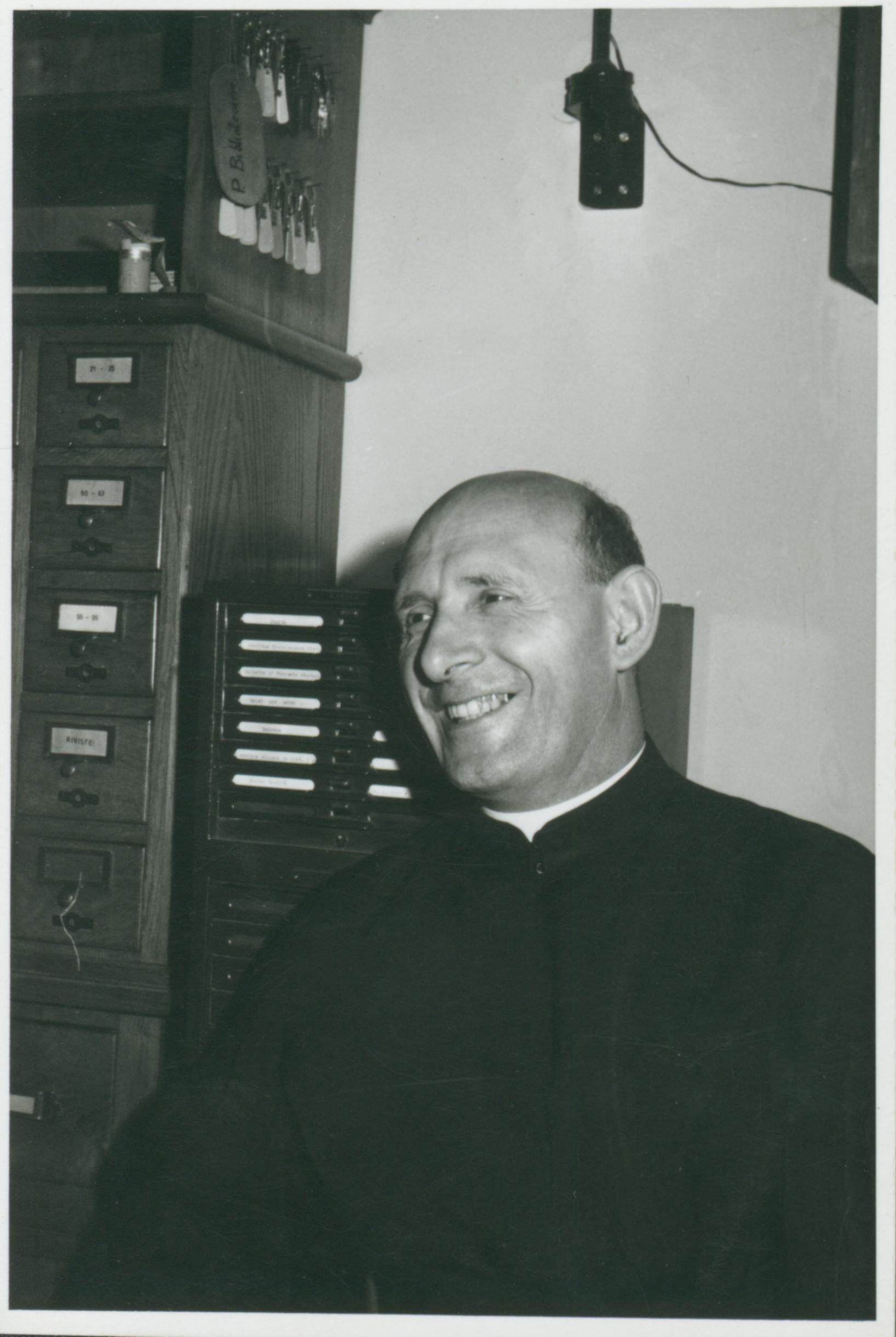
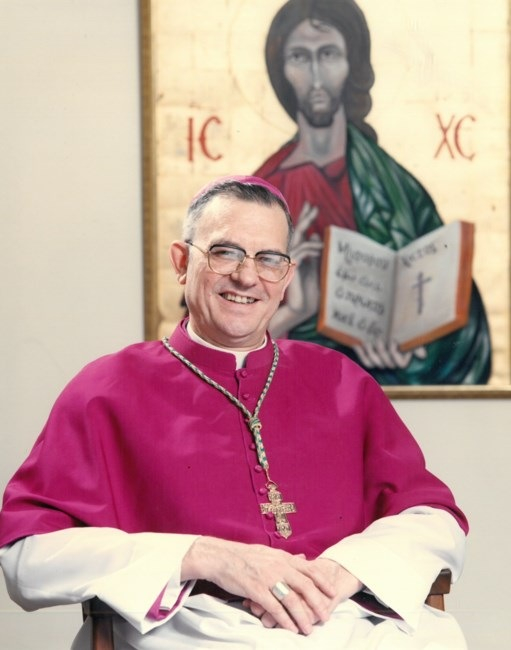
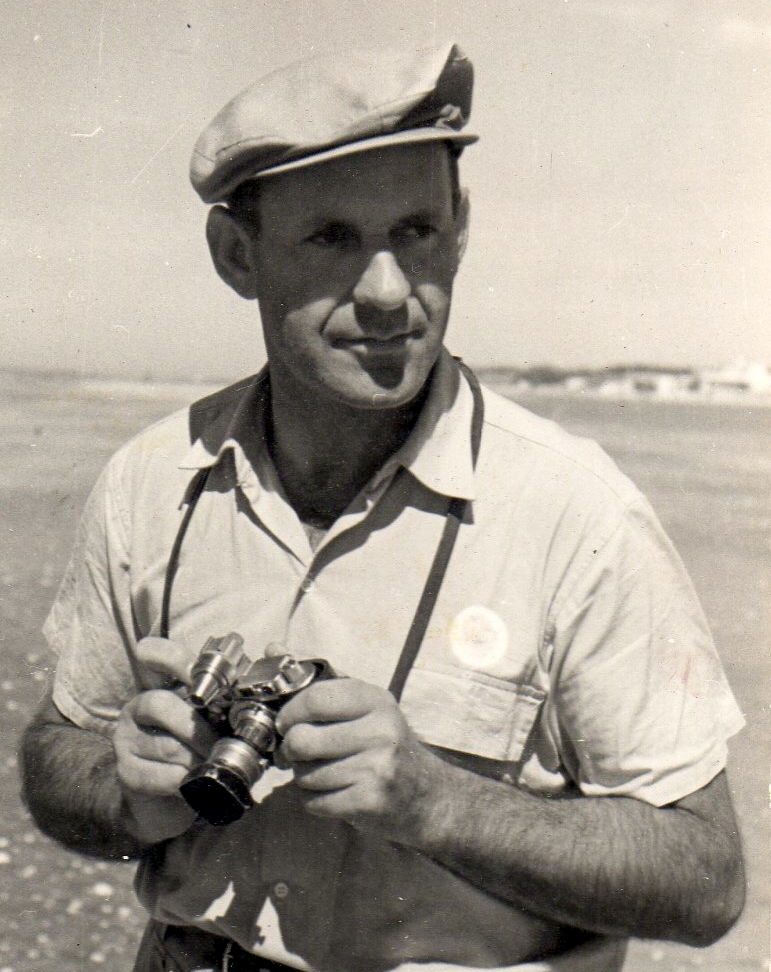
At the age of 15, he entered the Society of Jesus in Nagyszombat on August 8, 1913. After his probationary period, he completed high school in Kalocsa, where he also studied philosophy for two years. In 1920, he completed a year of theological studies in Valkenburg, the Netherlands. He then served as a master’s assistant for one year in Feldkirch and two years in Pécs. From 1924 to 1927, he studied theology in Rome, and two years later earned his doctorate in philosophy there. In 1944, he actively participated in the rescue of Jews and became president of the Hungarian Holy Cross Association, founded to support Jews who had converted to Catholicism. His name appeared on the Hungarian government’s list of potential primates following the death of Archbishop Jusztinián Serédi of Esztergom. After the war, he became involved in the emerging political scene, a move opposed by his provincial superior. On February 2, 1949, together with István Barankovics and Mária Blaskó (who, as his cousin, had lived with him in the same household during his stay in Germany), he fled to Austria in a car provided by the U.S. Embassy. He left the Society that same year. Because he criticized Cardinal Mindszenty’s politics, the Catholic émigré community abroad expelled him from its ranks. In 1949, he left the Jesuit Order but continued to serve as a priest in Germany. From 1951 to 1954, he worked at Radio Free Europe in Munich until he was dismissed due to rumors about his private life and political disagreements. In 1965, he lost his life under mysterious circumstances that remain unclear to this day: near Friesenheim, he fell from the slow-moving train on which he was traveling to Rome. His bag was found empty beside the railroad embankment. According to records, he was a withdrawn, reclusive man. The émigré press did not report on his death.
Domestic service locations
From
To
Place i
Current name, country i
Church / institution
Position
1932
1936
Budapest, Kingdom of Hungary
Hungary
pastor
1936
1940
Budapest, Kingdom of Hungary
Hungary
Magyar Királyi Pázmány Péter Tudományegyetem
speaker
1940
1943
Kassa, Kingdom of Hungary
Košice, Slovakia
university professor
1948
Nagykapornak, Hungary
pastor
1949
Szeged, Hungary
philosophy lecturer
Foreign service locations
From
To
Place
Current name, country
Church / institution
Position
1924
1929
Róma, Italy
theological studies, followed by doctoral studies
1930
Poughkeepsie, NY, USA
third
1931
New York, NY, USA
Hungarian pastor
1949
1951
NSZK
Germany
pastor
1951
1954
München, NSZK
Germany
Szabad Európa Rádió
editor
1954
1965
Friesenheim, NSZK
Germany
pastor, university professor
Literary activity
Világnézeti típuskutatás és filozófiai megalapozása. Bp., 1934;
A szellem. Bp., 1934; Mária. Bp., 1934;
A szellem. A szellemi lét főbb jelenségei és metafizikája. Bp., 1935;
A bölcseleti megismerés határainak kérdése. Bp., 1936;
A teremtés tanának ismeretelmélet jelentősége. Bp., 1936;
A világegyetem bölcselete. Bp., 1938;
Isten bölcseleti megismerése. Bp., 1939;
Bölcselet és valóság. Bp., 1940;
Mária. A Mária-tisztelet dogmatikája és lélektana. Bp., 1941;
Az erkölcs metafizikai gyökerei. Bp., 1943;
Demokrácia. Cikkgyűjtemény. Bp., 1945.
Jánosi József (SJ), dr: personal record. In: Historical directory of Hungarian, Hungarian-descended, and Hungarian-speaking clergy serving abroad. Available at: https://www.diaszporalelkipasztorok.hu/persons_v2/view.php?id=482 (accessed: 2026-09-13).
Last modified: June 2, 2026 12:26 |
Opened: 19 times