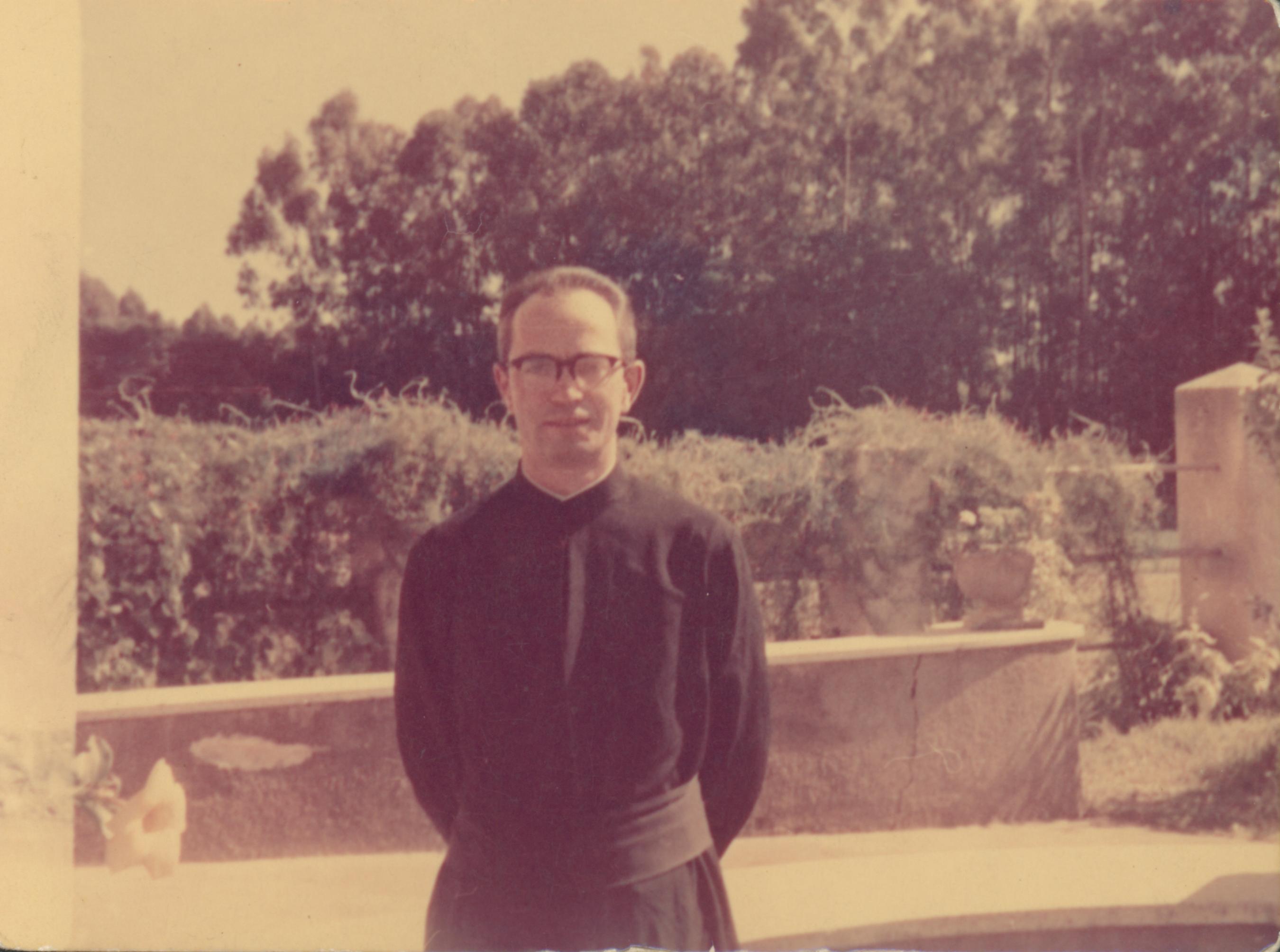
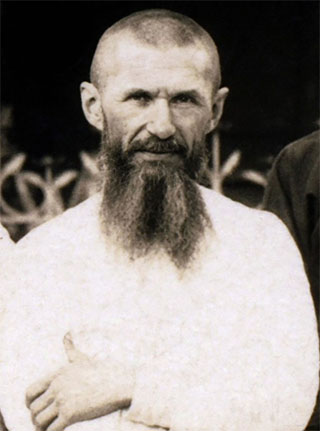
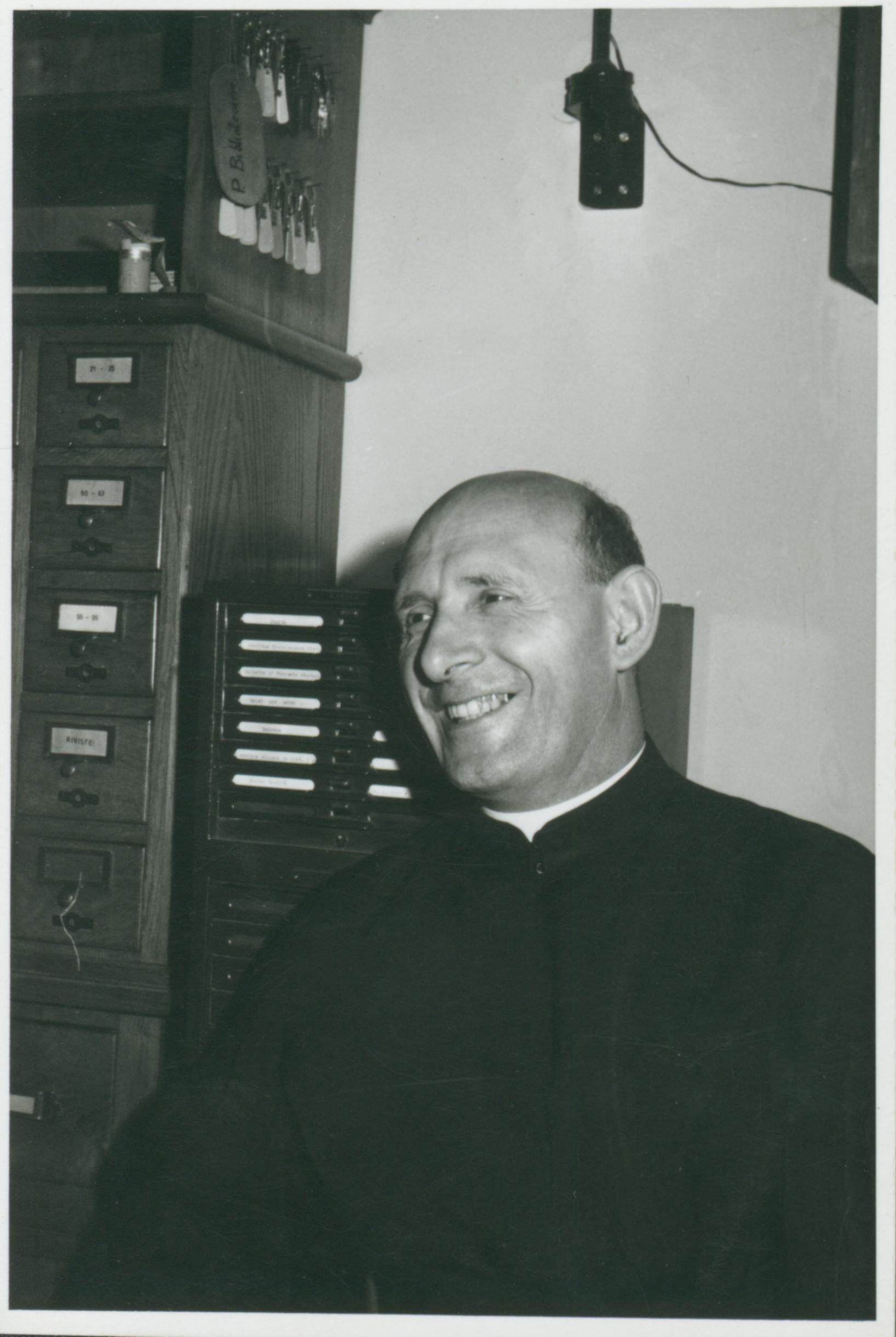
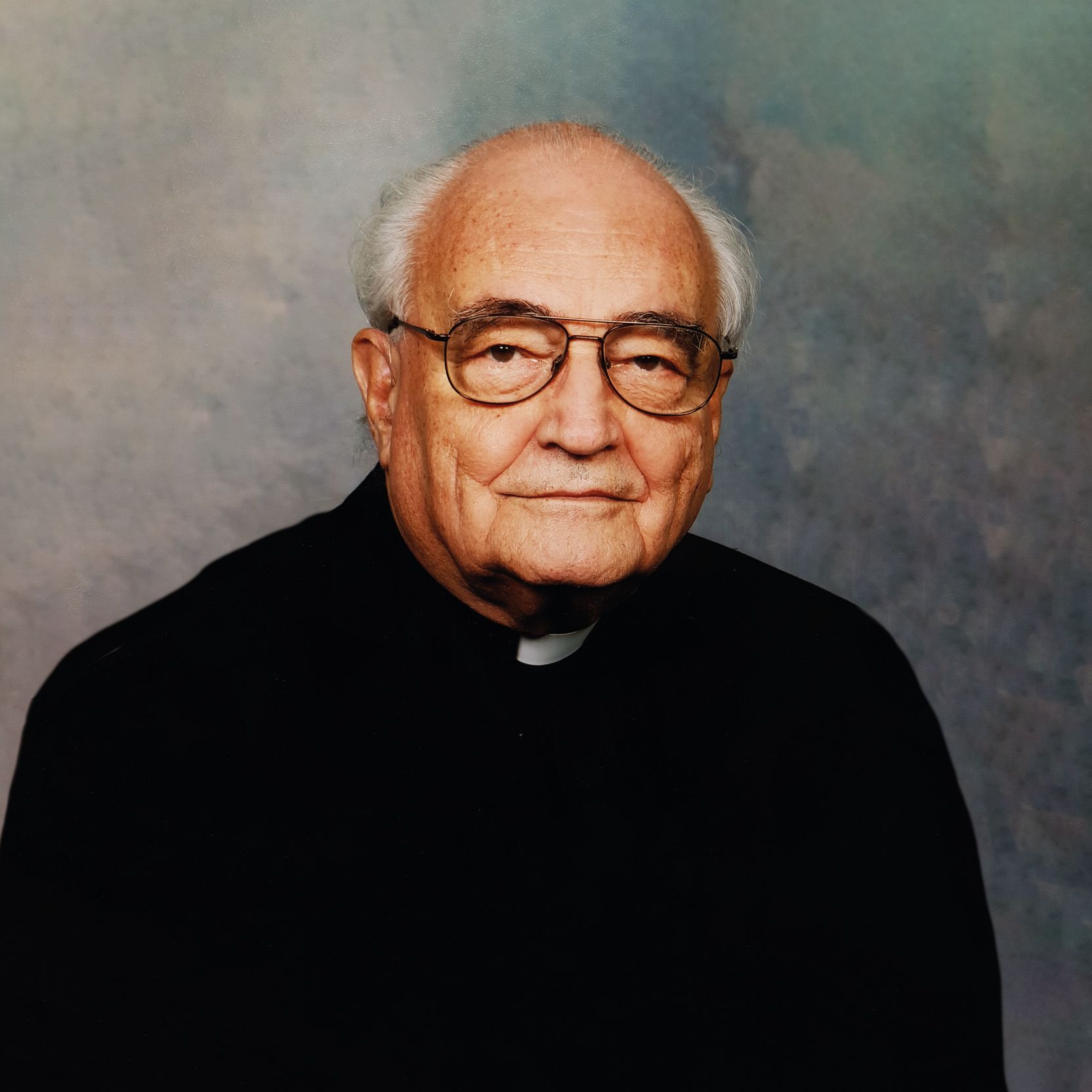
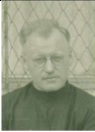
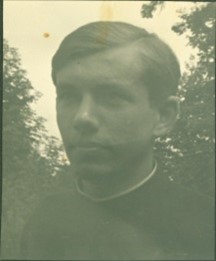
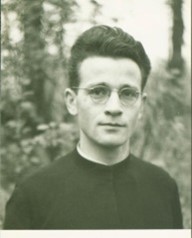
Pettau, Habsburg Monarchia, currently Ptuj, Slovenia — May 22, 1647
Death data:
Carichí, Új-Spanyolország Alkirályság, currently Mexikó — December 26, 1683
Denomination:
Roman Catholic
Ecclesiastical status:
religious
Diocese / Order:
jezsuita
Ordination level:
priest
Entry into religious life:
Bécs, Habsburg Monarchia, currently Austria — November 14, 1964
Priestly ordination:
Graz, Habsburg Monarchia, currently Austria — 1676
Biographical data
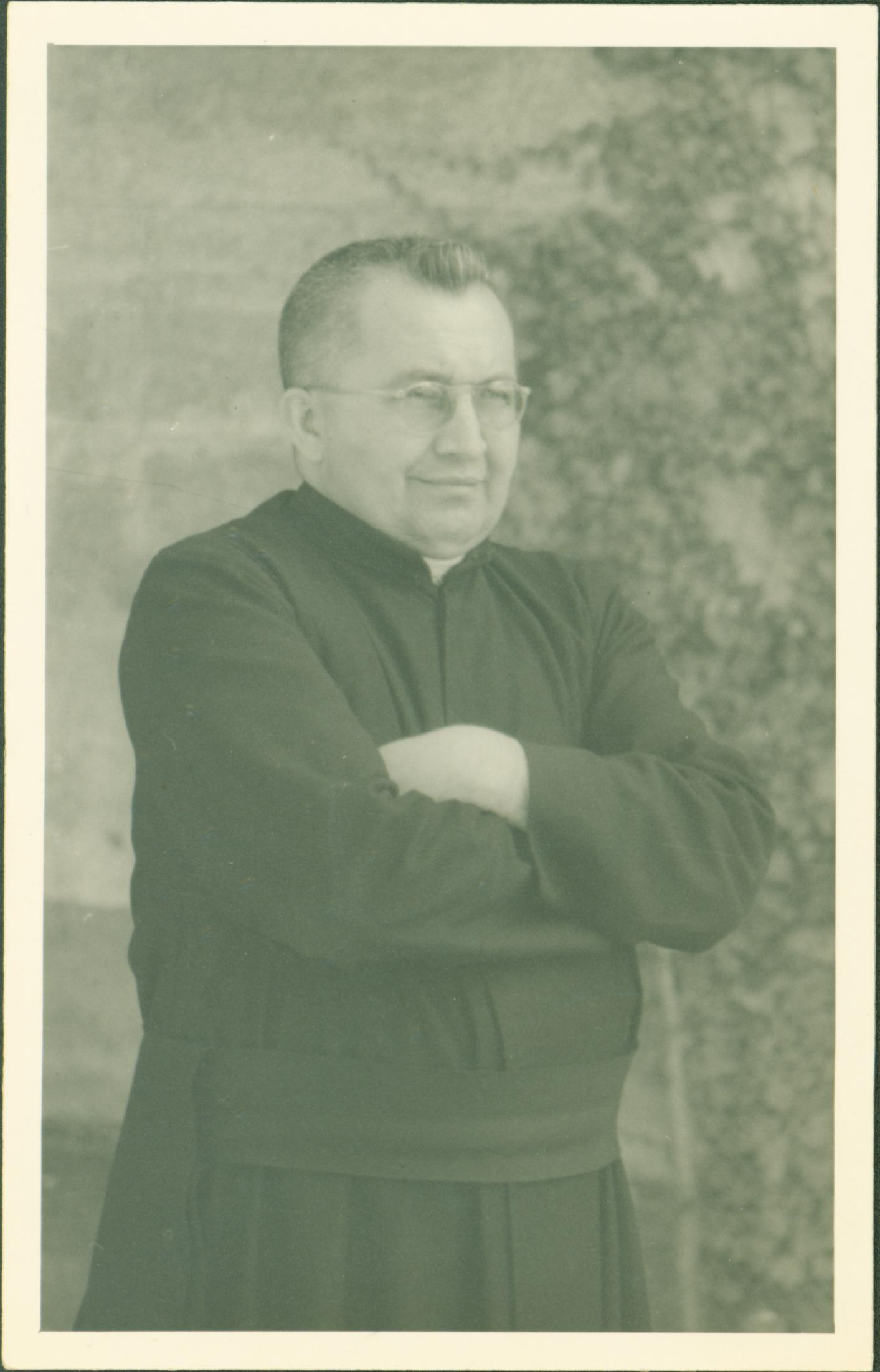
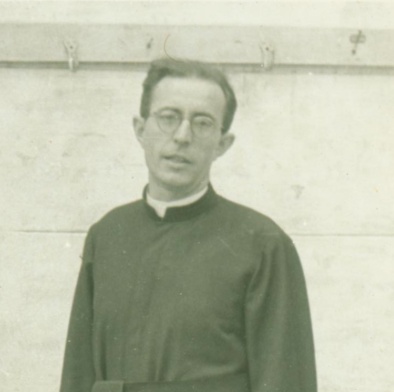
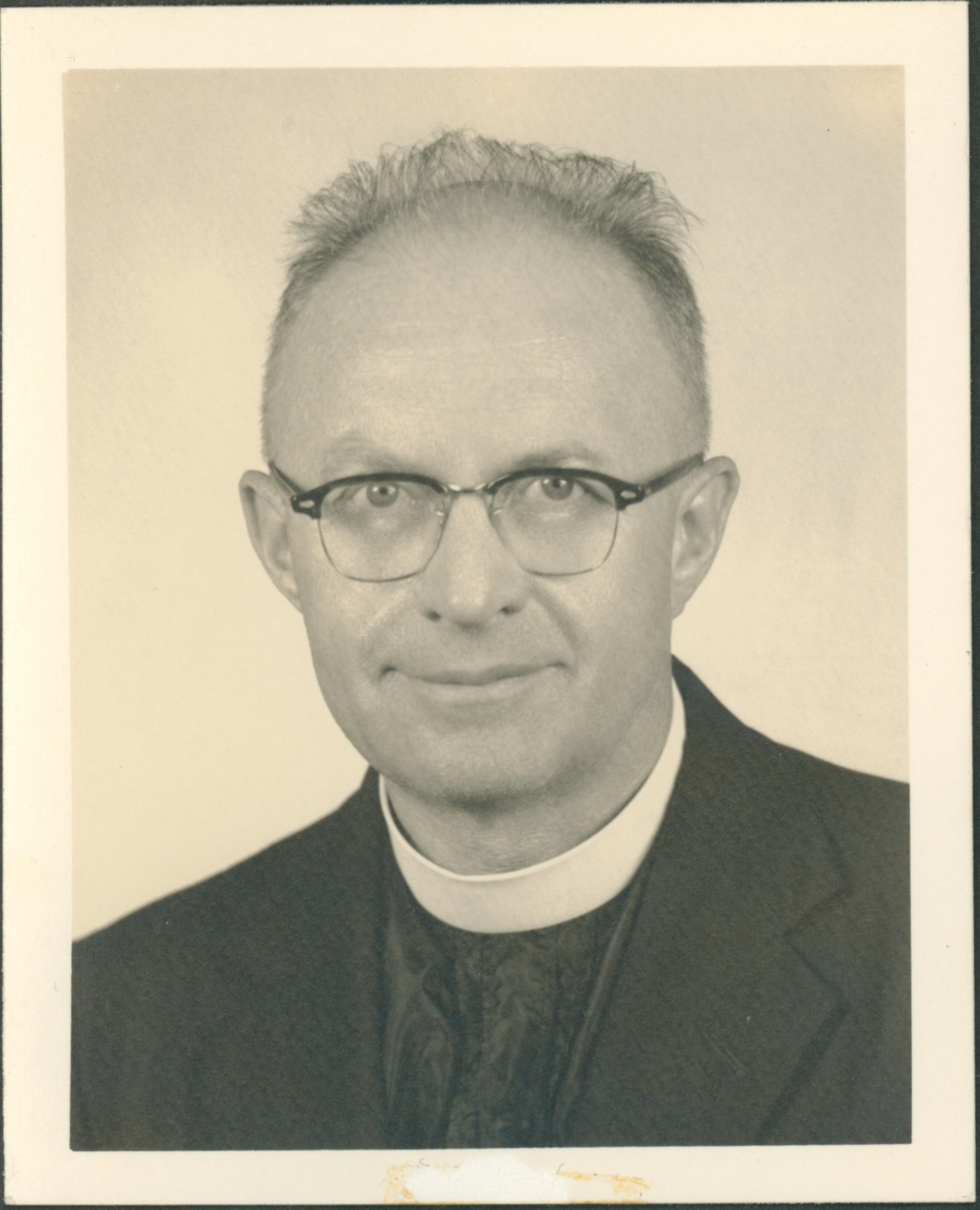
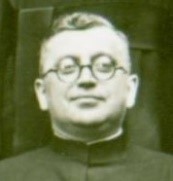
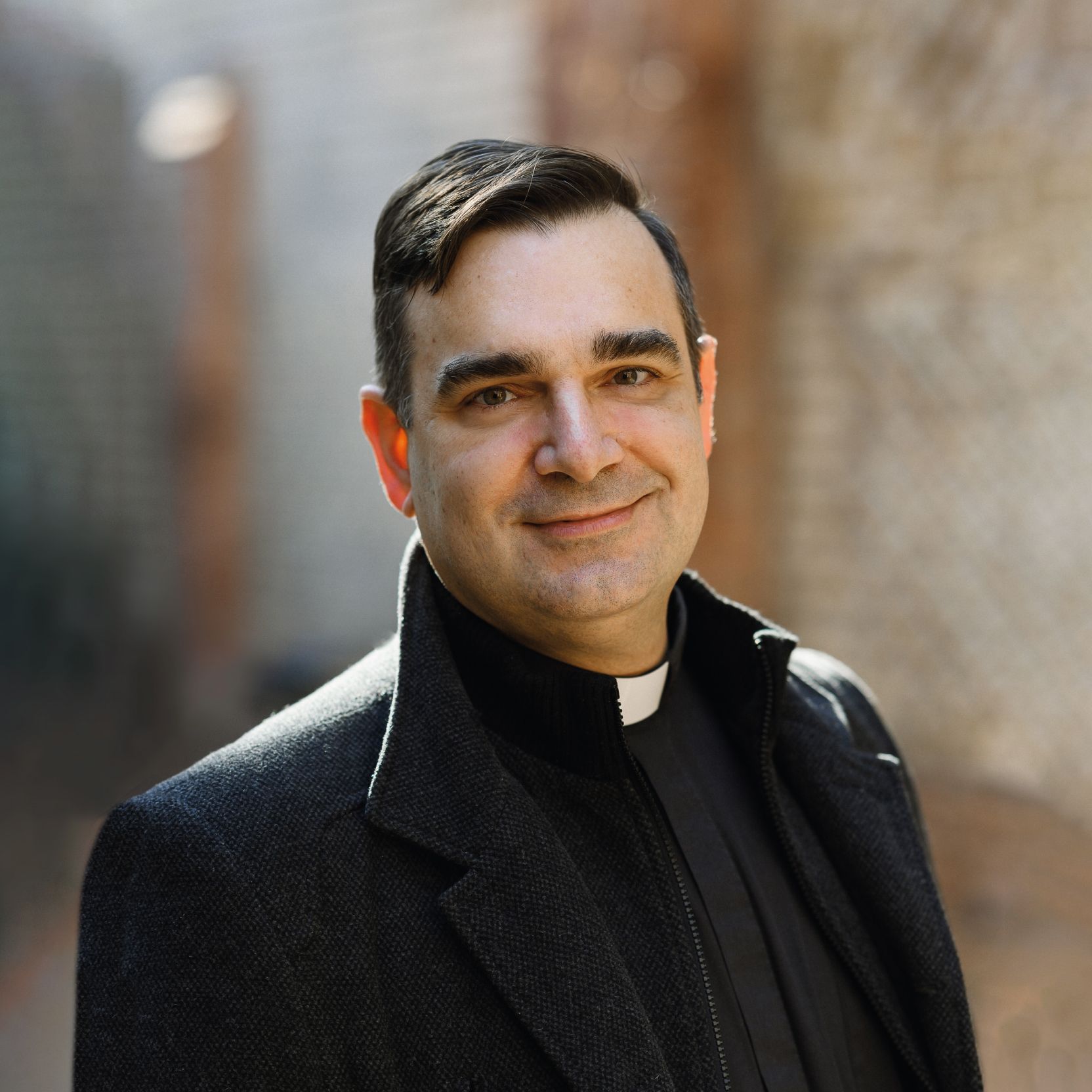
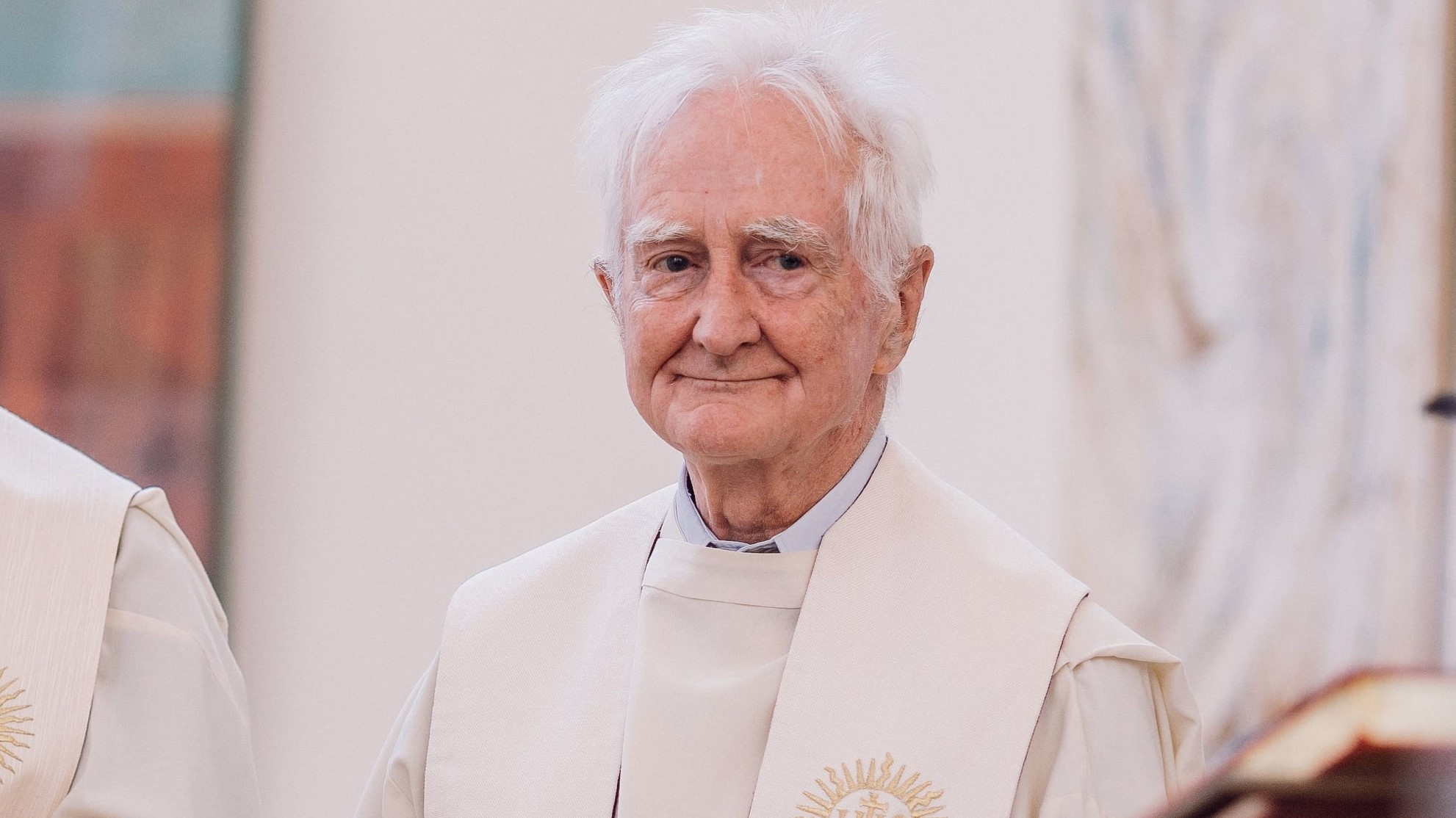
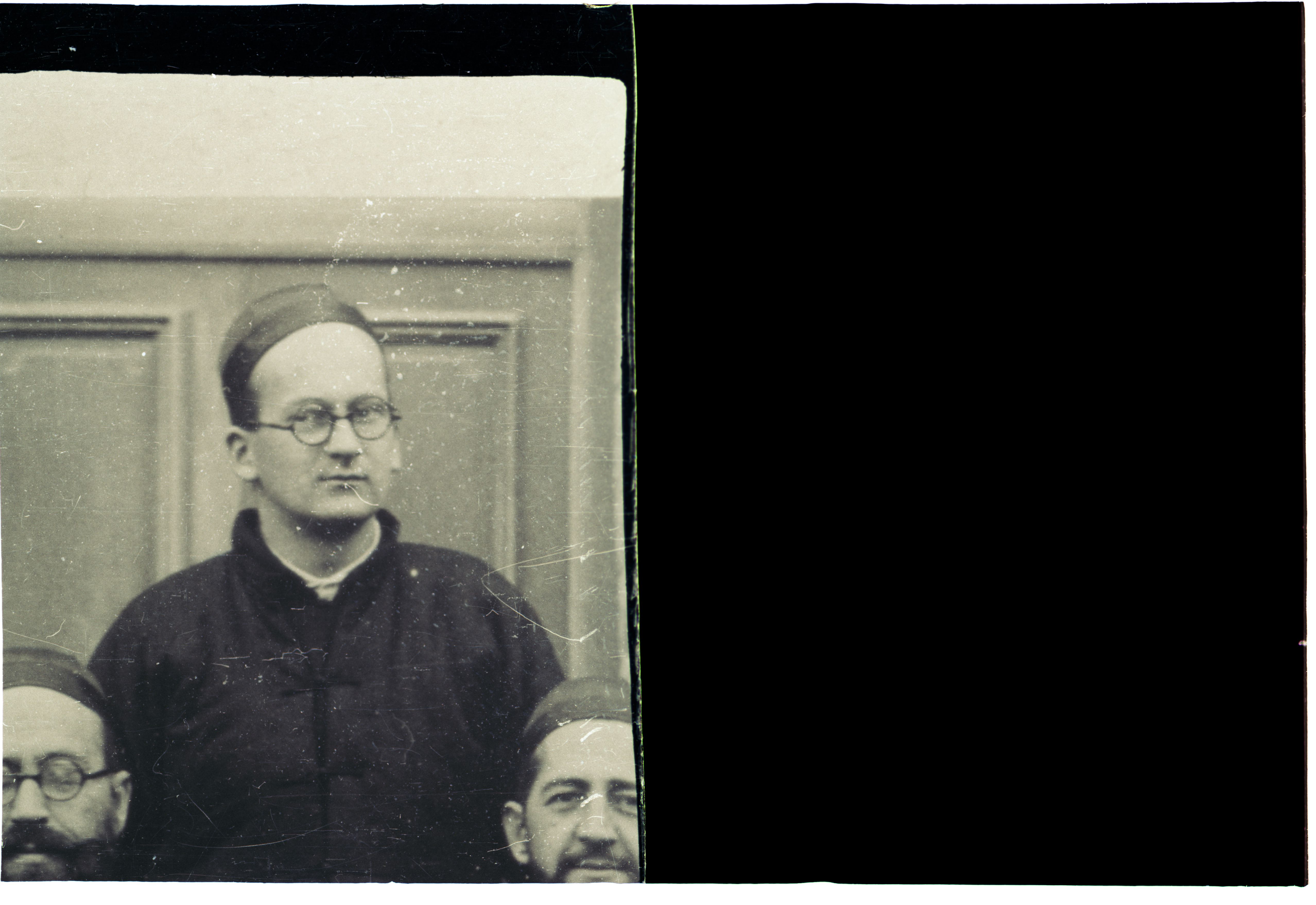
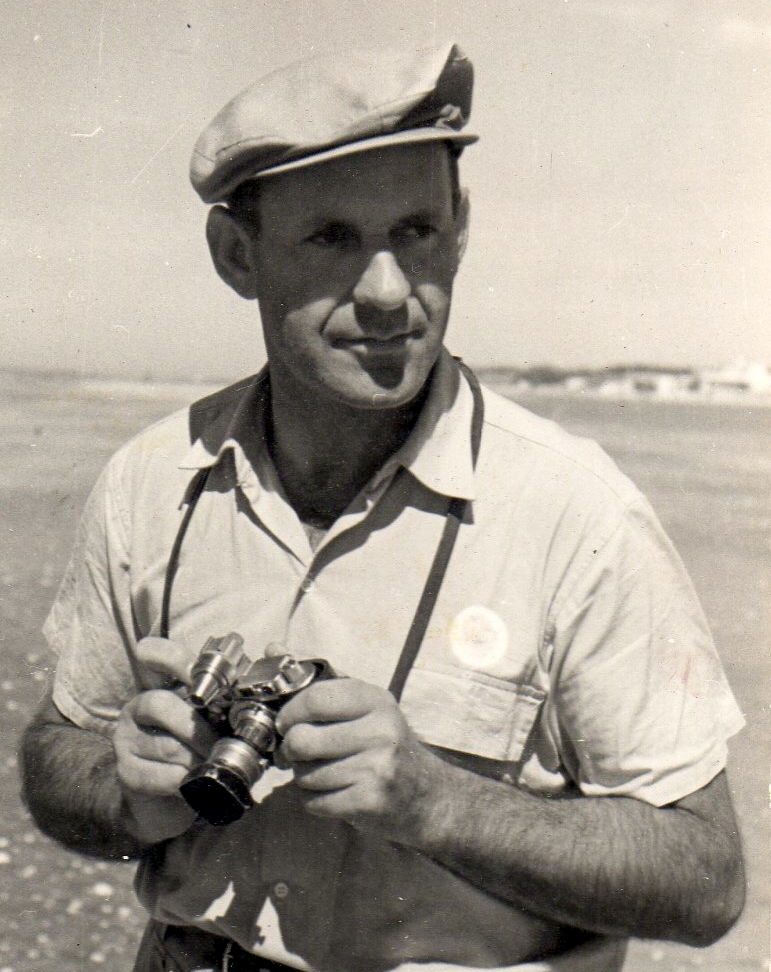
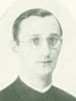
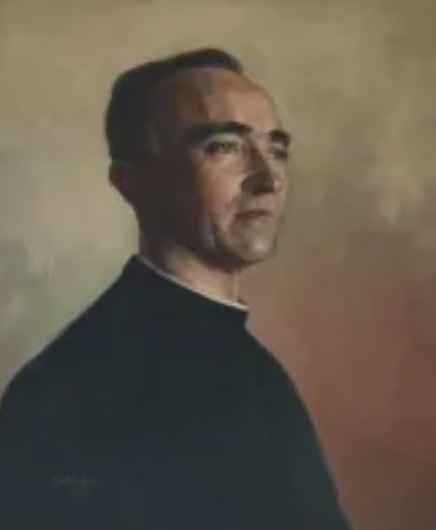
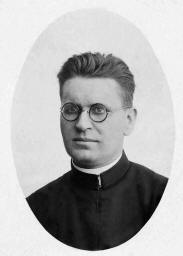
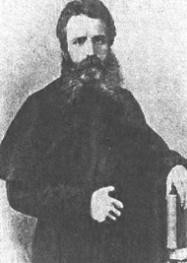
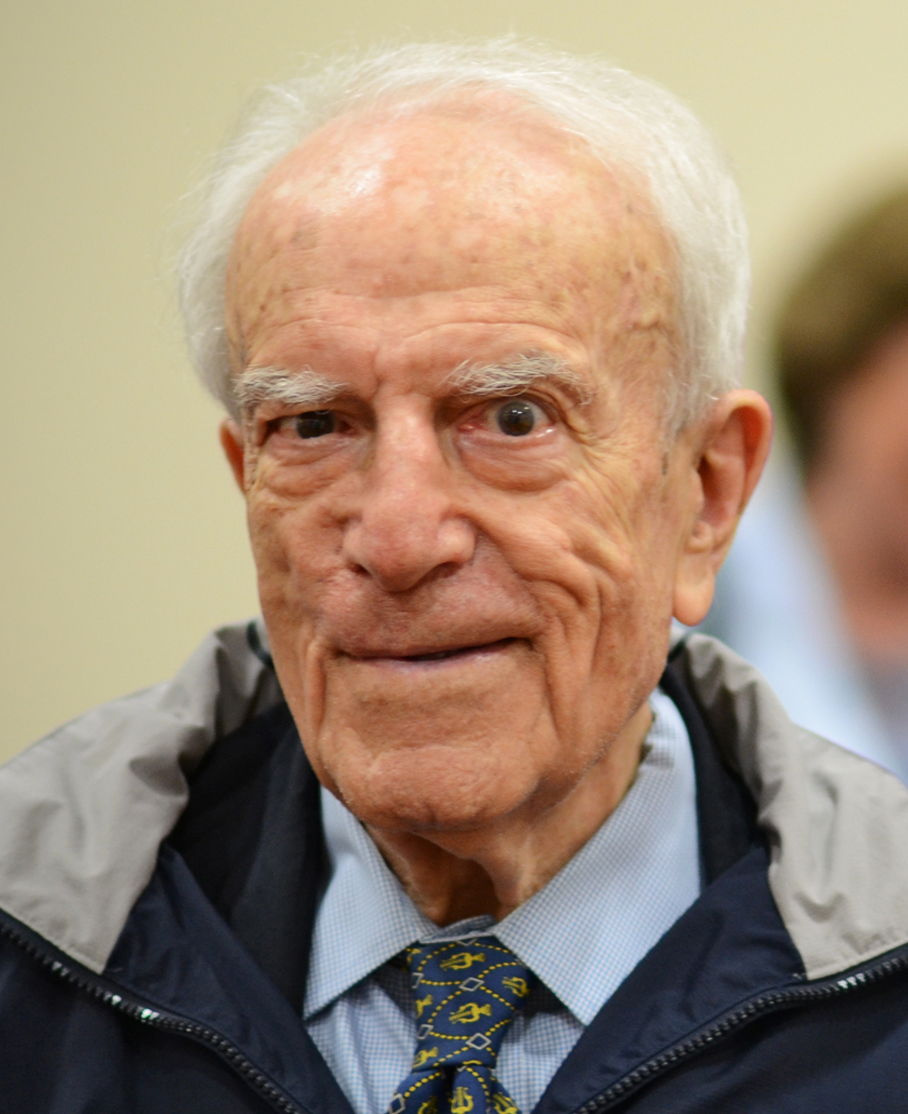
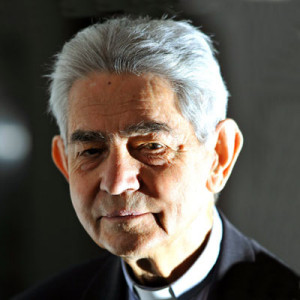
János Rátkay, S.J., Baron (Pettau, Duchy of Styria, Habsburg Monarchy, May 22, 1647 – Carichí, Viceroyalty of New Spain, December 26, 1683) was a Jesuit priest, missionary, cartographer, and travel writer—the first Hungarian Jesuit to carry out missionary work in what is now Mexico. In addition to his work among the Tarahumara (Raramuri) Indians, he is also known as the creator of the region’s first detailed map and the author of one of the earliest scholarly descriptions of the Tarahumara region.
He was born into the Baron Rátkay (Ratkaj) family of Nagy- and Kisratkó in the town of Pettau (now Ptuj, Slovenia). In his youth, he served as a page at the court of Emperor Leopold I, and on November 14, 1664, he entered the Society of Jesus in Vienna. He completed his philosophical studies in Graz between 1667 and 1669, after which he taught for three years at the Jesuit high school in Gorizia. He then returned to Graz, where he studied theology and was ordained a priest in 1676. The following year, he completed his third probationary year (tercia) in Judenburg, and then taught ethics in Linz from 1678 to 1679. In addition to Hungarian, he was also fluent in German and Croatian.
Even during his years in Europe, he was preparing for a missionary vocation. In 1679, he traveled to Seville, where he participated in the training of Jesuit missionaries bound for Spanish America. After a lengthy wait, he set sail from Cádiz in the summer of 1680, arrived in New Spain via Veracruz, and then, following a long overland journey, reached the Tarahumara missions in the province of Chihuahua. He kept a detailed diary and wrote letters about his journey, which are among the primary sources on 17th-century transatlantic crossings and the missions in northern Mexico.
From the fall of 1680, he served among the Tarahumara Indians. He quickly mastered the local language, working first in the Tutuaca area and later at the Carichí mission. In addition to his pastoral work, he played a significant role in organizing the mission settlements, developing agriculture, and introducing European grain and fruit cultivation. According to sources, he played a decisive role in organizing the Carichí reduction.
Rátkay made a lasting contribution not only as a missionary but also as a scientific observer. He sent three reports in Latin to his European superiors, which describe in detail the geography of the Tarahumara region, climate, flora, and fauna, as well as the lifestyle, social customs, and religious traditions of the Rarámuri Indians. His most famous work, *Relatio Tarahumarum Missionum eiusque Tarahumarae Nationis Terraeque Descriptio*, is one of the earliest ethnographic and geographical descriptions of the region. For this work, he created the first known detailed map of the Tarahumara region, on which he marked the mission stations, Spanish forts, and indigenous settlements. The original manuscript and map are now preserved in the Jesuit Archives in Rome.
He died in Carichi on December 26, 1683, at the age of only thirty-six. The circumstances of his death are not entirely clear. Contemporary Jesuit sources merely record the fact of his death, while later tradition holds that he was poisoned by an indigenous person because he spoke out against customs incompatible with Christian teaching—primarily nighttime drinking and pagan rituals. However, this latter tradition cannot be historically proven with absolute certainty.
János Rátkay is one of the most significant figures in the history of the Hungarian Jesuit mission. His work extended far beyond pastoral ministry: his letters, geographical descriptions, and maps remain fundamental historical sources for the study of 17th-century Northern Mexico to this day; for this reason, he is regarded not only as a missionary but also as one of the earliest ethnographers and cartographers.
Foreign service locations
From
To
Place
Current name, country
Church / institution
Position
1667
1669
Graz, Habsburg Monarchia
Austria
completion of studies
1669
1672
Gorizia, Habsburg Monarchia
Italy
teacher
1672
1676
Graz, Habsburg Monarchia
Austria
theology student
1677
Judenburg, Habsburg Monarchia
Austria
tercia
1678
1679
Linz, Habsburg Monarchia
Austria
ethics teacher
1679
Sevilla, Spanyol Birodalom
Spain
missionary training
1680
1683
Carichí, Új-Spanyolország Alkirályság
Mexikó
missionary (Tarahumara Mission)
Literary activity
Levelezést folytatott a rendtársakkal és feletteseivel (missziós jelentések formájában),
missziós beszámolókat készített a tarahumara vidék lakóiról, szokásaikról, a térítés előrehaladásáról,
részben etnográfiai jellegű megfigyeléseket is lejegyzett, amelyek a rend központi levéltárába kerültek.
Ezek a kéziratos források ma a jezsuita rend archívumaiban, főleg Róma (Archivum Romanum Societatis Iesu – ARSI), valamint esetenként a Mexikói Jezsuita Levéltárban találhatók.
Rátkay János SJ, báró: personal record. In: Historical directory of Hungarian, Hungarian-descended, and Hungarian-speaking clergy serving abroad. Available at: https://www.diaszporalelkipasztorok.hu/persons_v2/view.php?id=922 (accessed: 2026-09-13).
Last modified: July 12, 2026 21:55 |
Opened: 18 times