Prága, Cseh Királyság, currently Czechia — December 25, 1691
Death data:
Lima, Perui Alkirályság, currently Peru — 1756
According to another source: 1758
Denomination:
Roman Catholic
Ecclesiastical status:
religious
Diocese / Order:
jezsuita (Societas Jesu)
Ordination level:
priest
Other name used:
Rét, Rér, Réhr, Juan Rehr
Biographical data
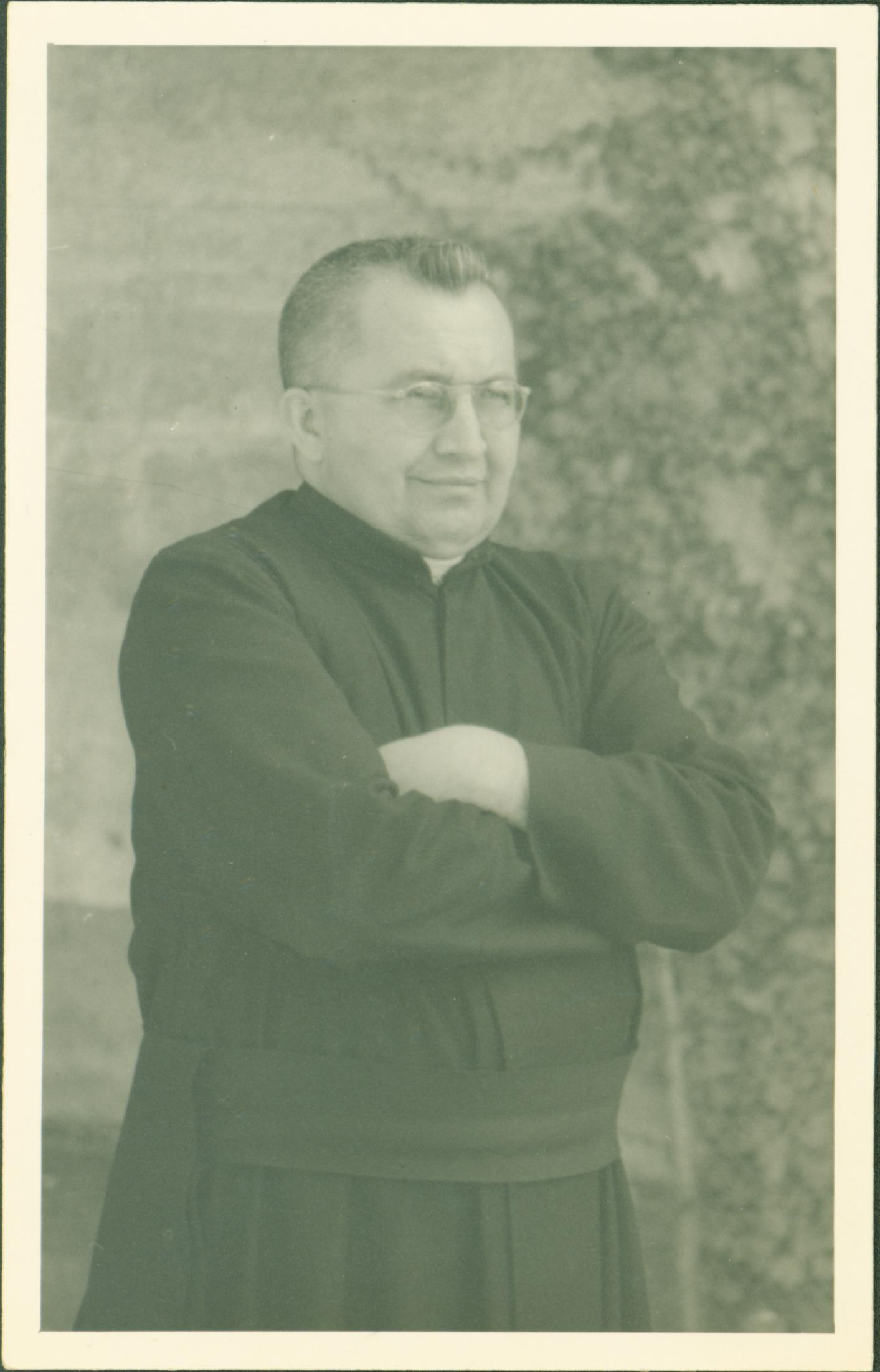
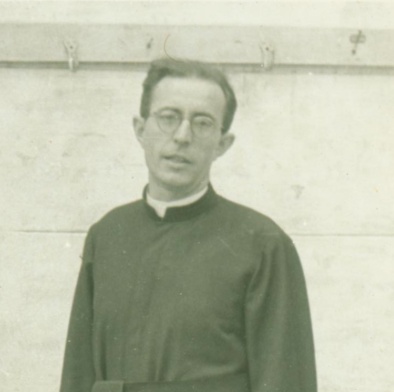
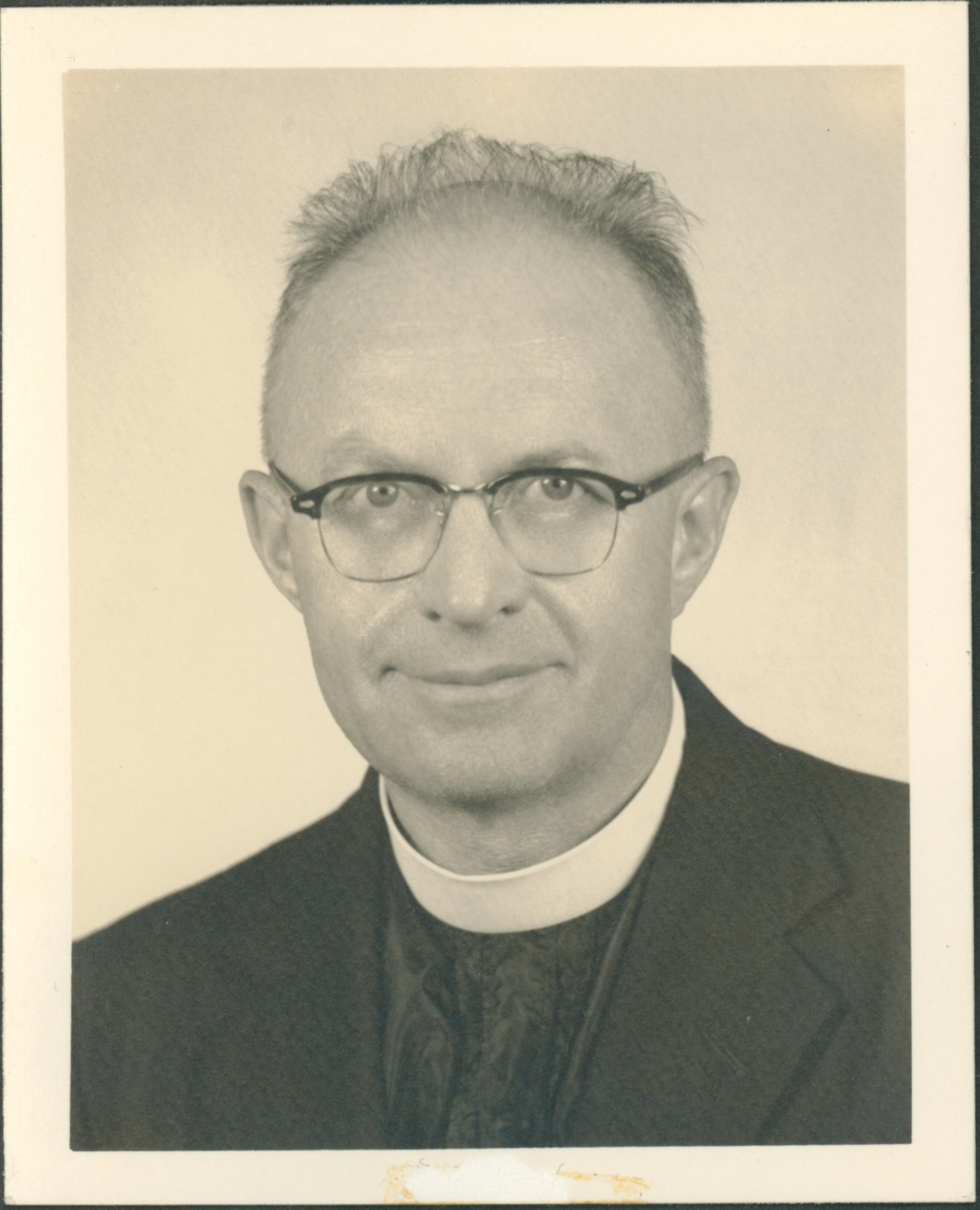
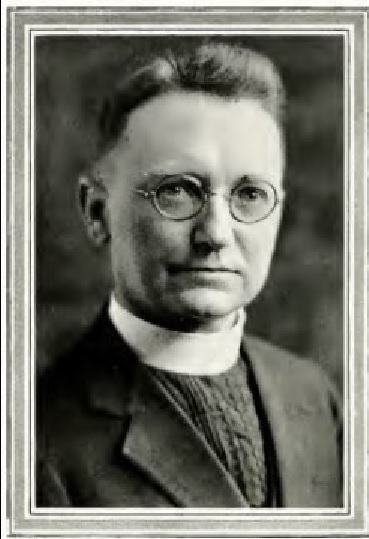
János Réz (Rér, Réhr) SJ, known in Spanish as Juan Rehr, was a Jesuit priest, mathematician, astronomer, architect, and missionary who became one of the leading figures in the scientific and architectural life of the 18th-century Viceroyalty of Peru. He is credited with several significant works of reconstruction following the Lima earthquake, as well as the editing of the official astronomical almanac of Peru at that time. His origins are disputed: some sources consider him Czech, while others consider him Hungarian.
According to Jesuit sources, he was born on December 25, 1691, in Prague and studied at the local Jesuit college. He entered the Society of Jesus in 1709 and took his solemn vows in 1728. However, in a letter, the Jesuit János Zakarjás, who was stationed in Lima, wrote that he was born east of the Tisza River, was raised in Hungary until the age of twelve, and only then moved to Bohemia. For this reason, a significant portion of Hungarian scholarship considers him to be of Hungarian origin, while international literature generally regards him as a Jesuit born in Prague.
In 1729, he set out for South America, where he began his service in the Jesuit missions of the Viceroyalty of Peru. He spent his early years in the Moxos (Mojos) Indian missions operating in what is now Bolivia. Even then, alongside his missionary work, he stood out for his technical and mathematical expertise, which would shape his later career.
After the devastating earthquake in Lima on October 28, 1746, the Jesuit Order sent him to Lima, where he put his knowledge of architecture and structural engineering to use in the reconstruction efforts. He participated in the planning of the restoration of the Lima Cathedral, as well as in the reconstruction of several other significant churches. Tradition attributes the plans for the Church of St. James the Apostle (Surco) to him; he also contributed to the reconstruction of the Church of Las Huérfanas and other religious buildings in Lima. One of the most important achievements of his work was the further development and application of earthquake-resistant, lightweight wooden roof structures and the quincha construction technique, which shaped Lima’s architecture for a long time.
Due to his outstanding mathematical knowledge, Viceroy José Manso de Velasco appointed him to the position of Cosmógrafo Mayor (Chief Royal Cosmographer) of the Viceroyalty of Peru in 1749. At the same time, he took over the leadership of the mathematics department at the University of San Marcos in Lima and also served as a mathematics professor at the Colegio San Martín. His duties included conducting astronomical observations, preparing calendar calculations, and compiling astronomical data necessary for navigation and cartography.
Between 1750 and 1756, he published the official annual astronomical and natural science yearbook *Conocimiento de los Tiempos*, which was considered one of the most important scientific publications in the Viceroyalty of Peru. Through his work, he rose to become one of the leading South American mathematicians and astronomers of his time.
He died in Lima in 1756. Older Hungarian scholarly literature occasionally lists 1758 as the year of his death, but Peruvian and international research today unequivocally accepts the date of 1756.
János Réz is one of the most significant figures in the Latin American history of the Jesuits—or at least those considered to be of Hungarian descent. He began his career as a missionary, but thanks to his scholarly training, he became the leading mathematician, astronomer, and architect of the Viceroyalty of Peru. His work left a lasting mark on the cityscape of Lima and on the scientific life of colonial Peru, which is why he is regarded as one of the most prominent figures in the history of Hungarian Jesuits in Latin America.
Foreign service locations
From
To
Place
Current name, country
Church / institution
Position
1726 circa
1746
Moxos, Perui Alkirályság
Bolívia
missionary
1746
1756
Lima, Perui Alkirályság
Peru
Professor of Mathematics at Colegio San Martín, Head of the Department of Mathematics at the University of San Marcos, and Chief Astronomer of the Viceroyalty of Peru
Professor of Mathematics at Colegio San Martín, Head of the Department of Mathematics at the University of San Marcos, and Chief Astronomer of the Viceroyalty of Peru
Réz János SJ: personal record. In: Historical directory of Hungarian, Hungarian-descended, and Hungarian-speaking clergy serving abroad. Available at: https://www.diaszporalelkipasztorok.hu/persons_v2/view.php?id=934 (accessed: 2026-09-13).
Last modified: July 25, 2026 16:18 |
Opened: 22 times