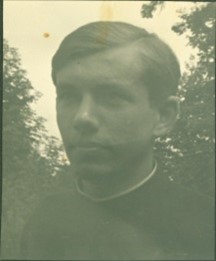
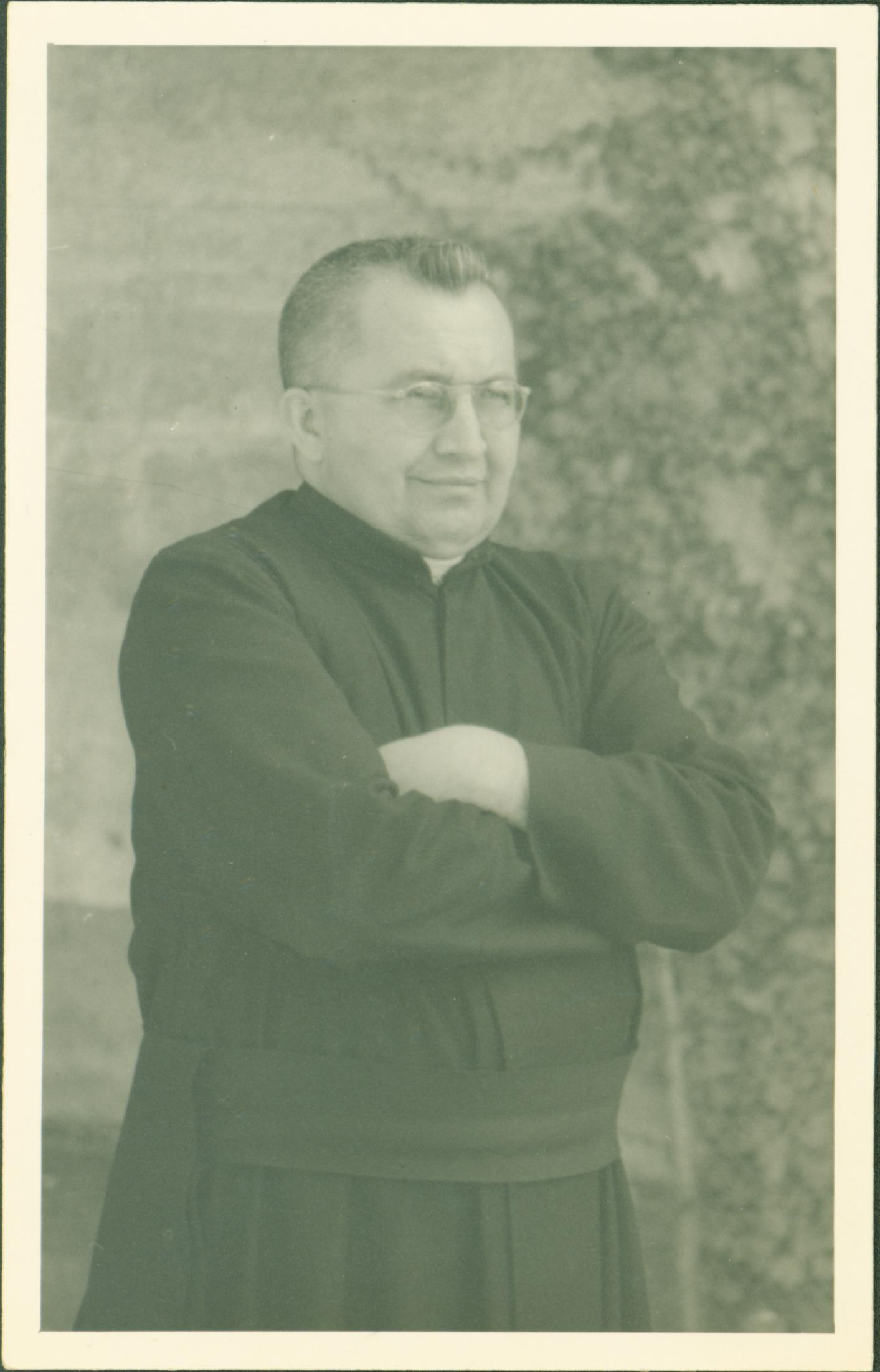
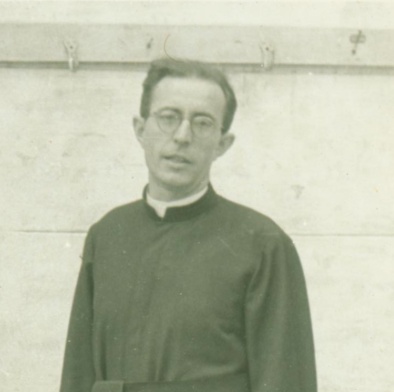
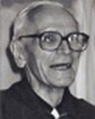
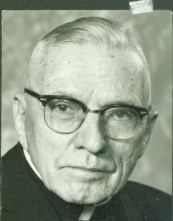
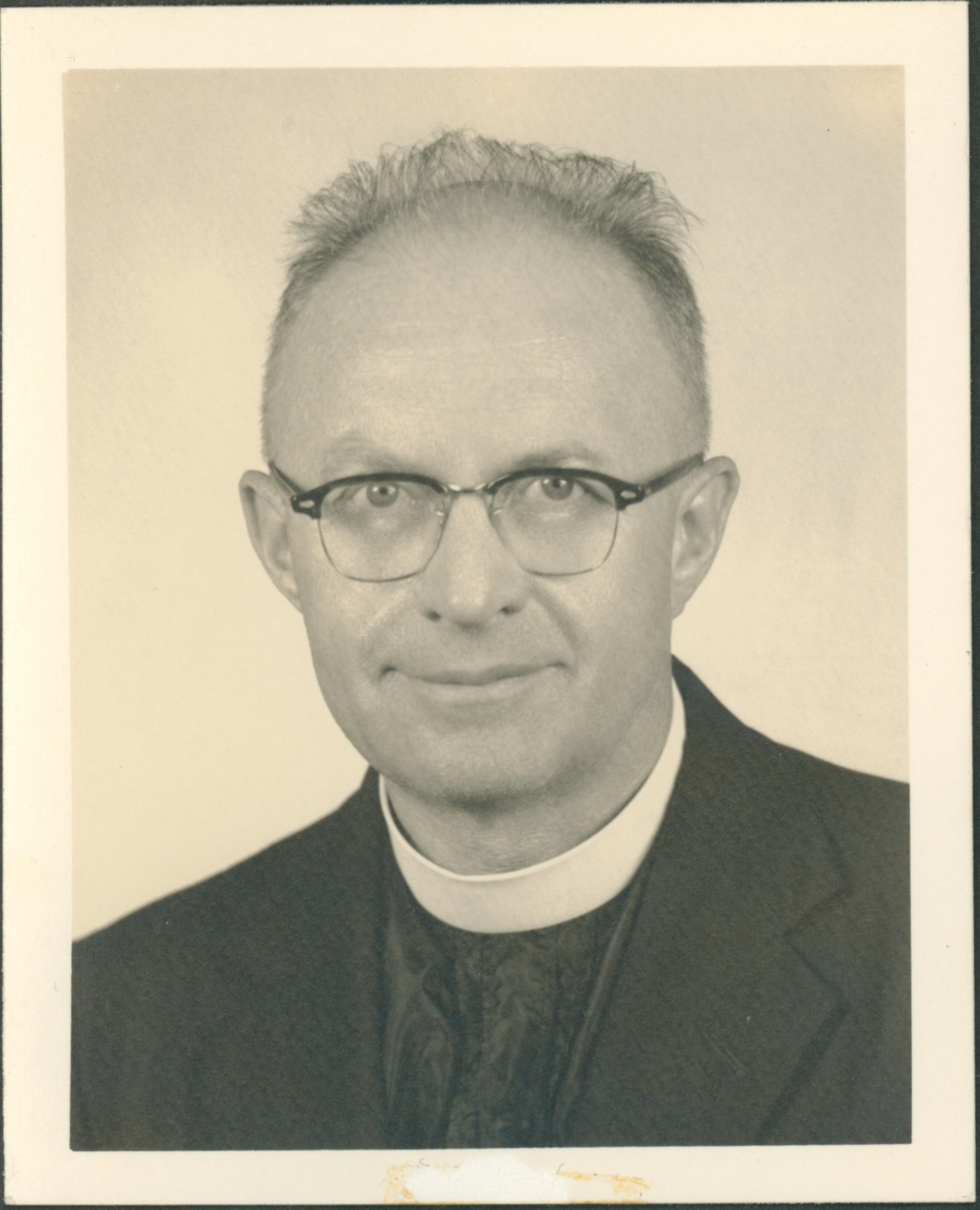
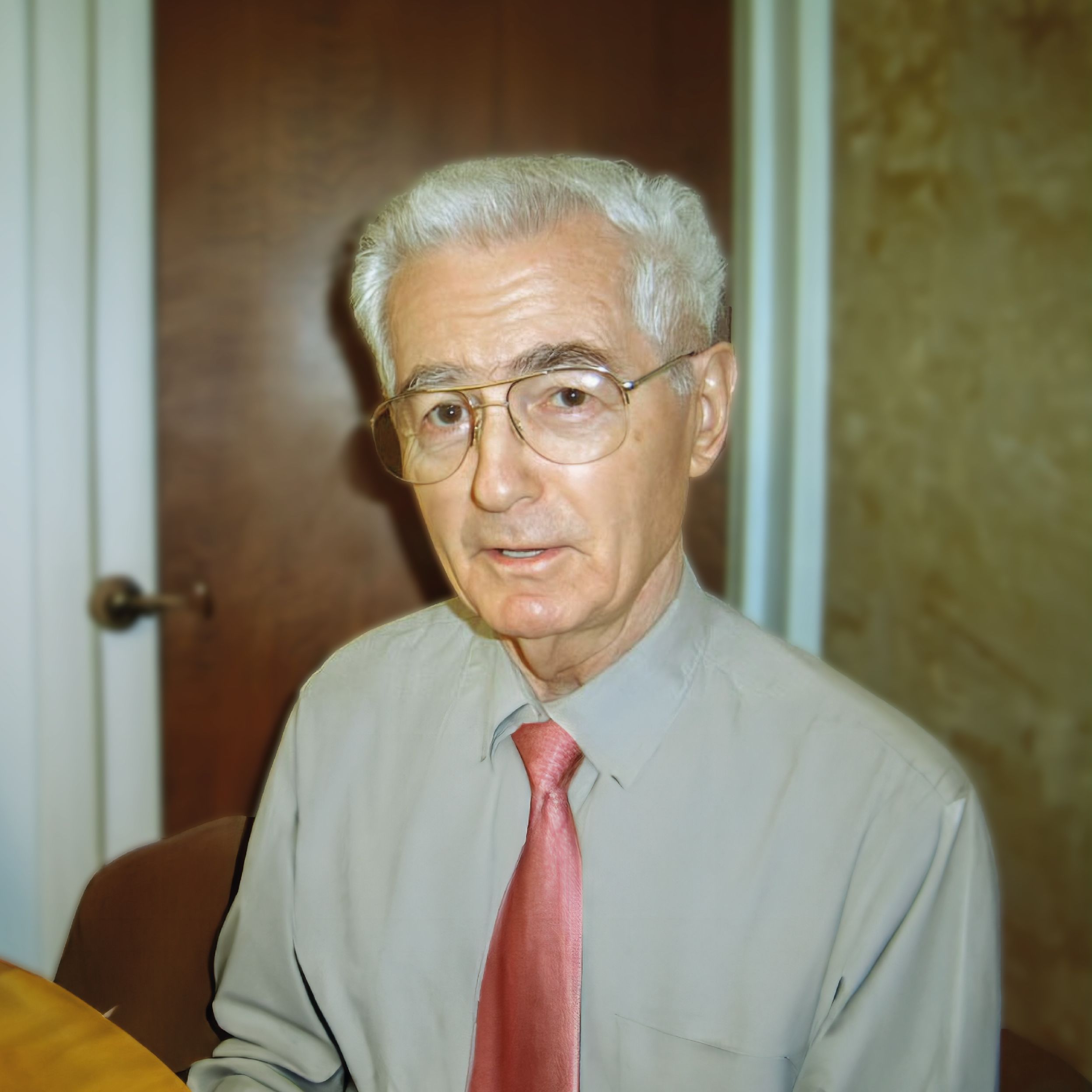
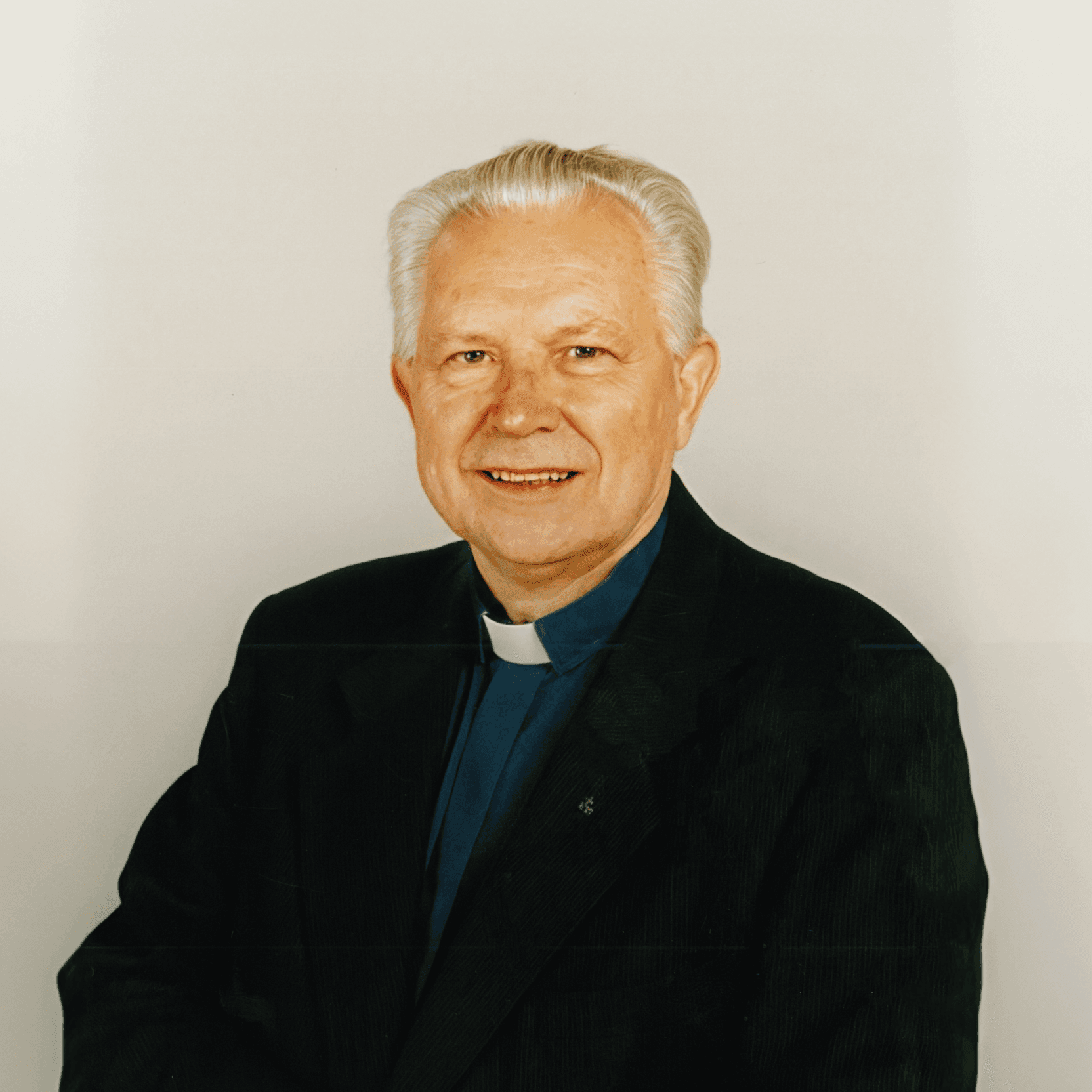
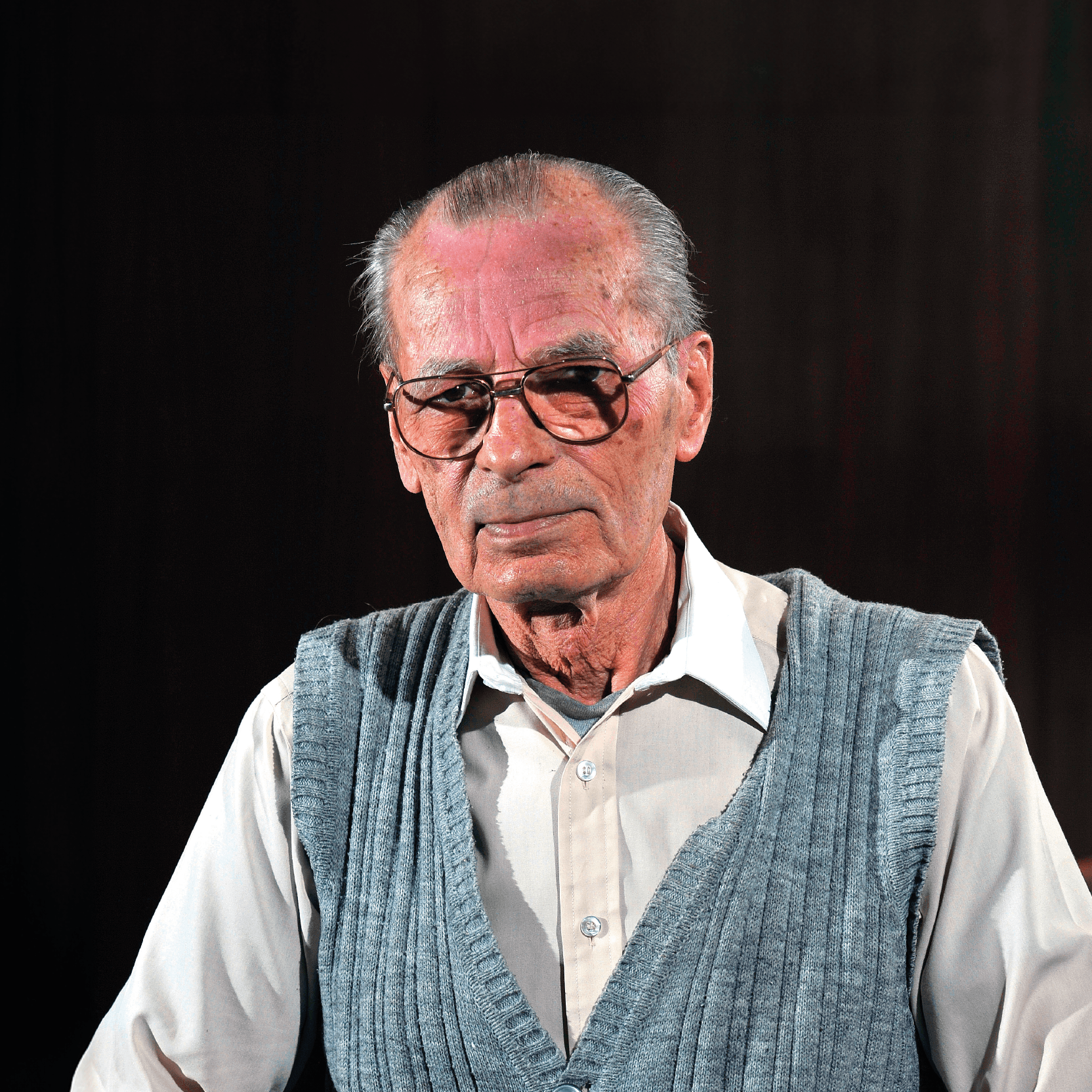
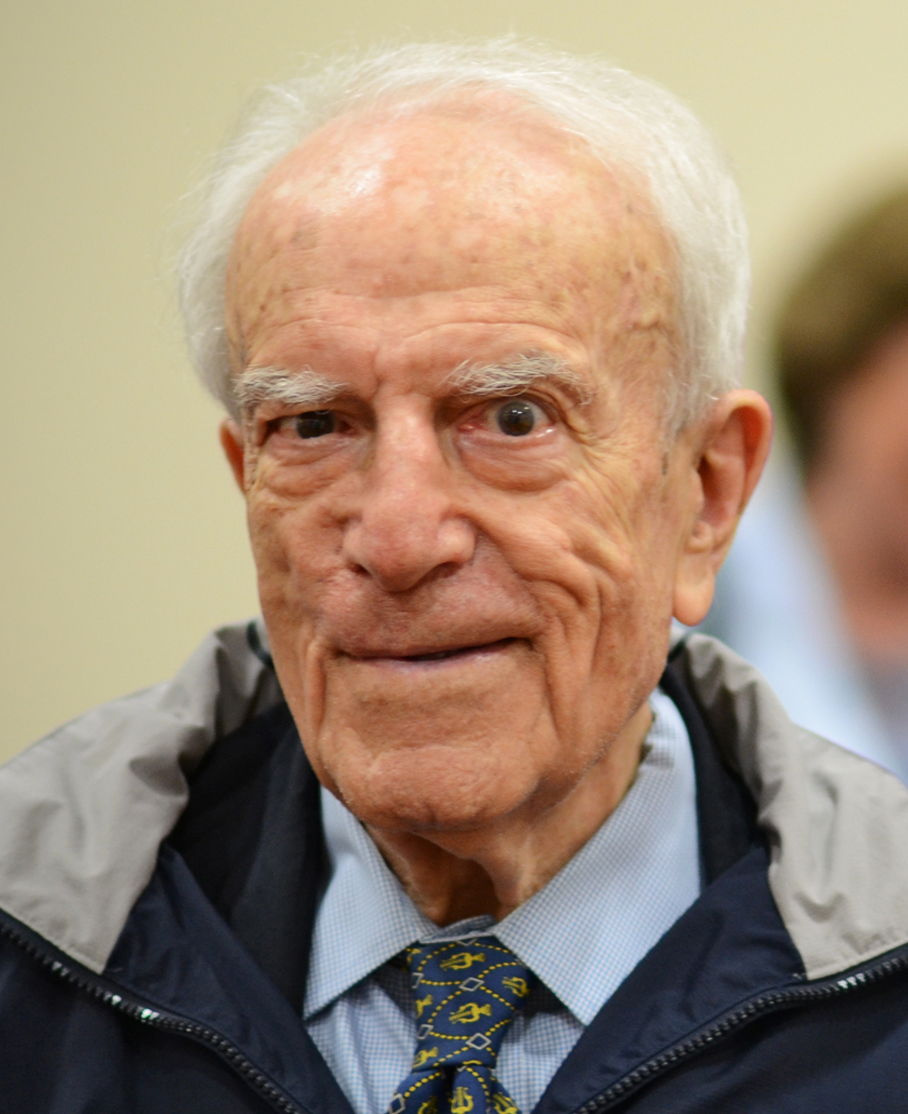
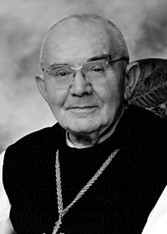
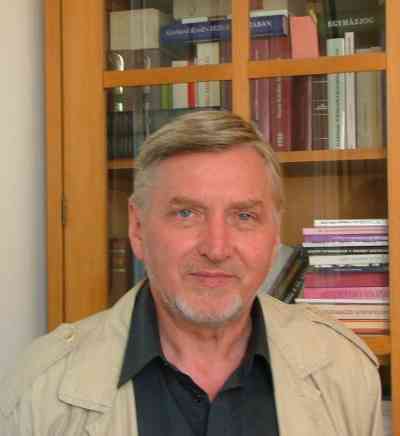
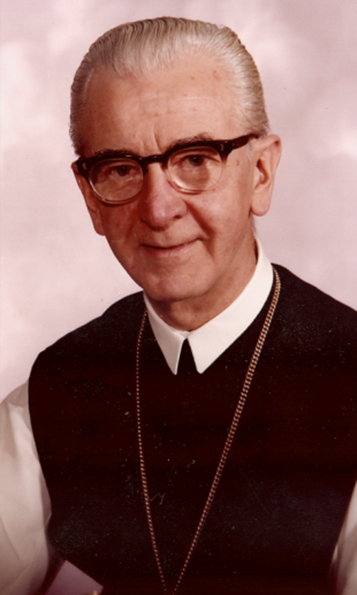
Nagypall, Austro-Hungarian Monarchy, currently Hungary — August 18, 1915
Death data:
Róma, Italy — March 16, 1990
Denomination:
Roman Catholic
Ecclesiastical status:
religious
Diocese / Order:
jezsuita (Societas Jesu)
Ordination level:
priest
Entry into religious life:
Budapest, Kingdom of Hungary, currently Hungary — July 30, 1934
Perpetual vows:
August 15, 1951
Priestly ordination:
Sanghaj, Kína, currently Shànghǎi (上海) — July 27, 1946
Other name used:
Schober József; Paj Jungnien
Biographical data
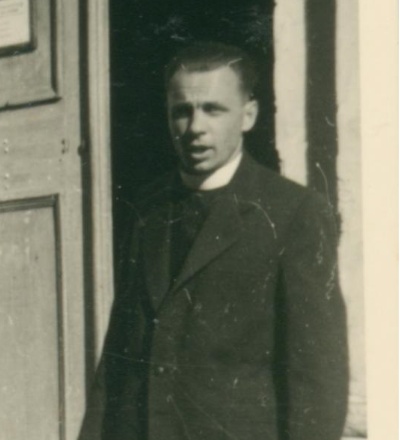
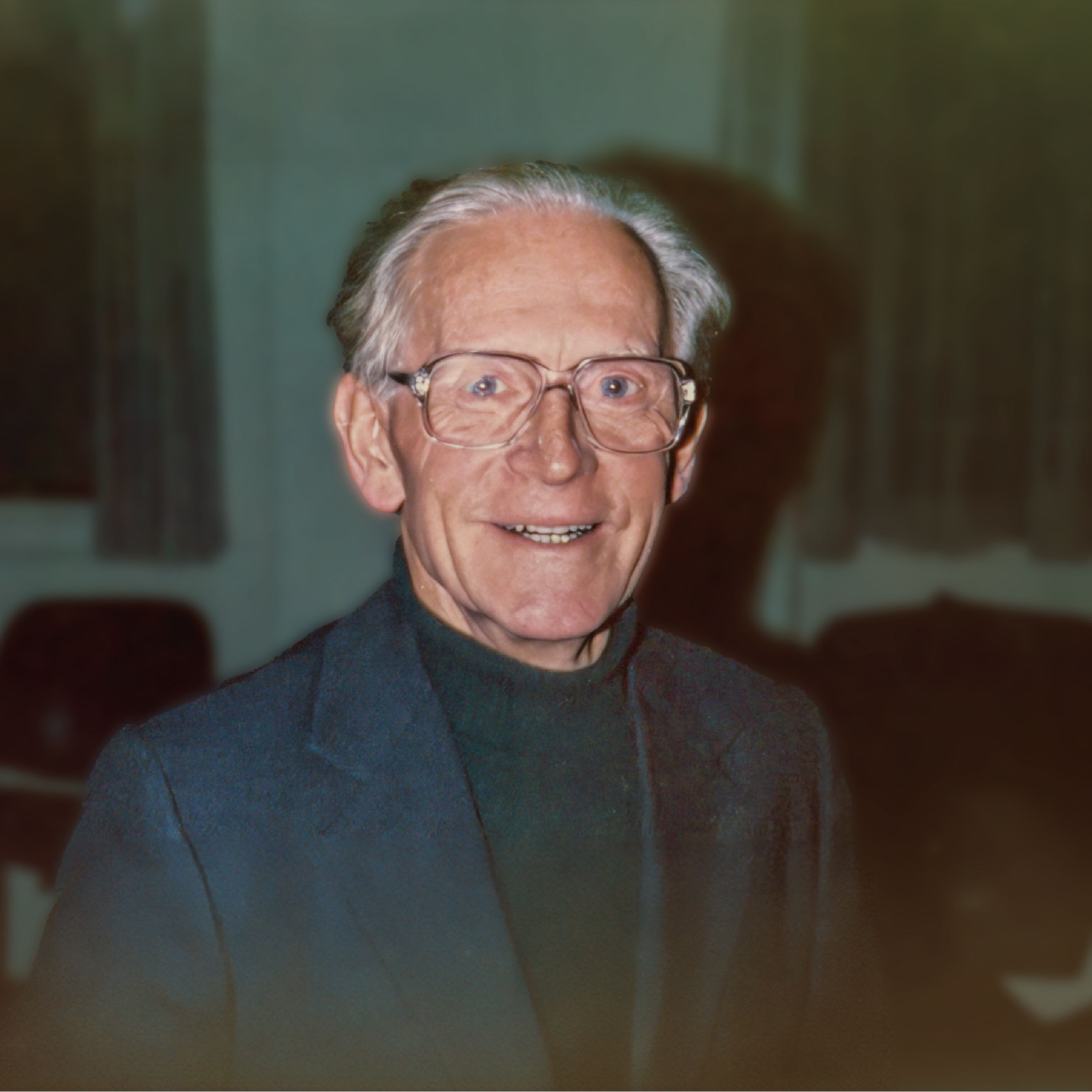
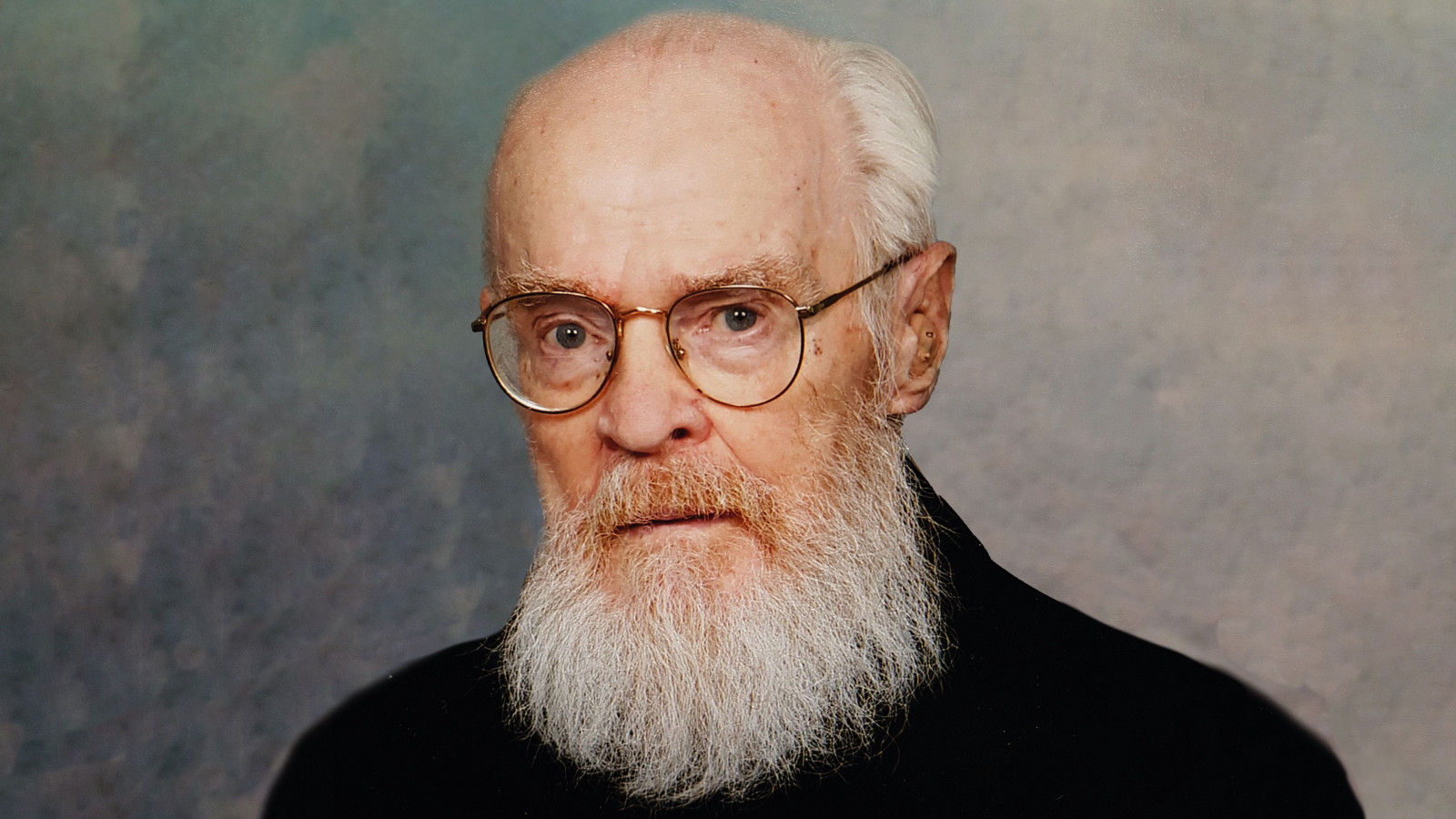
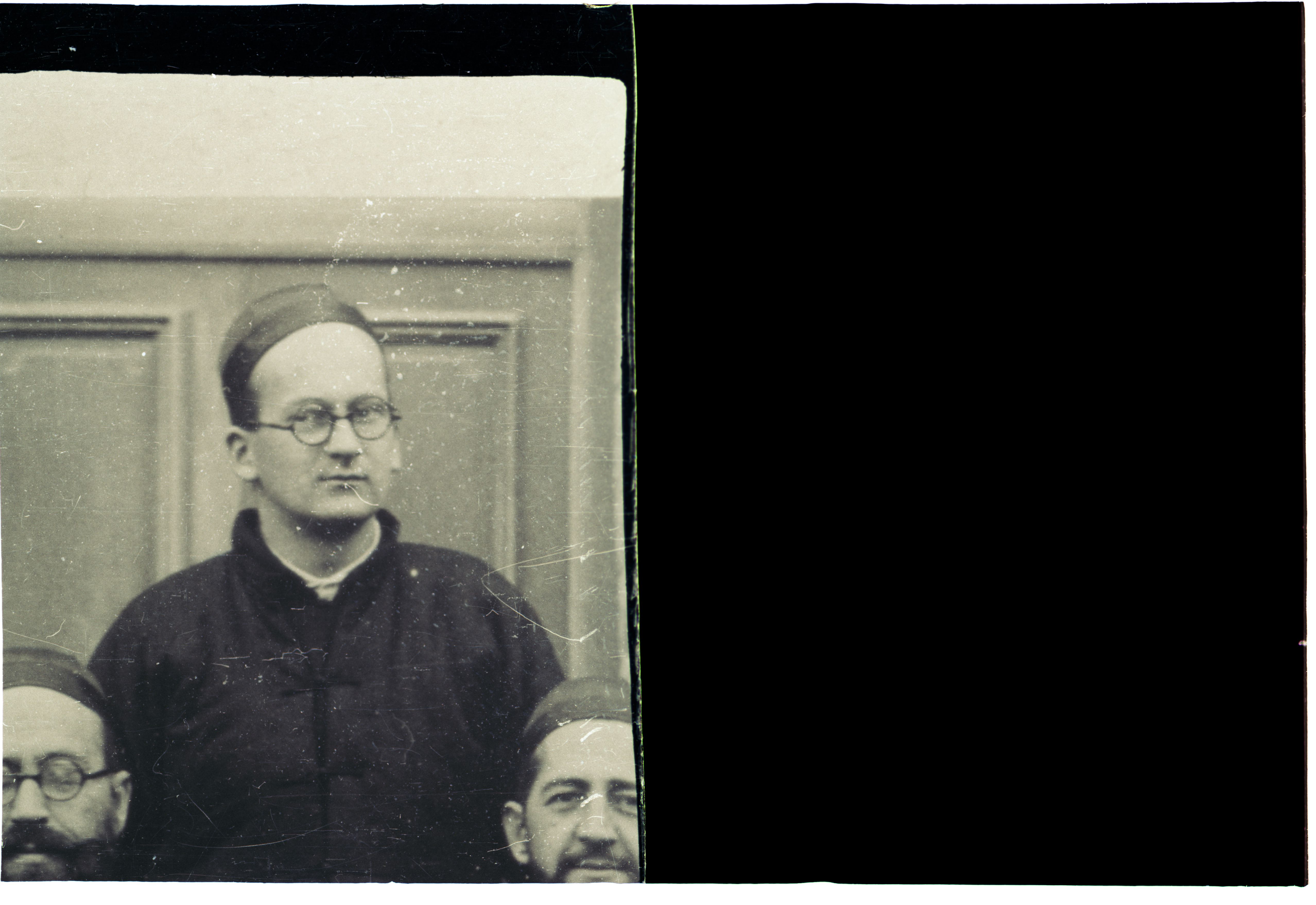
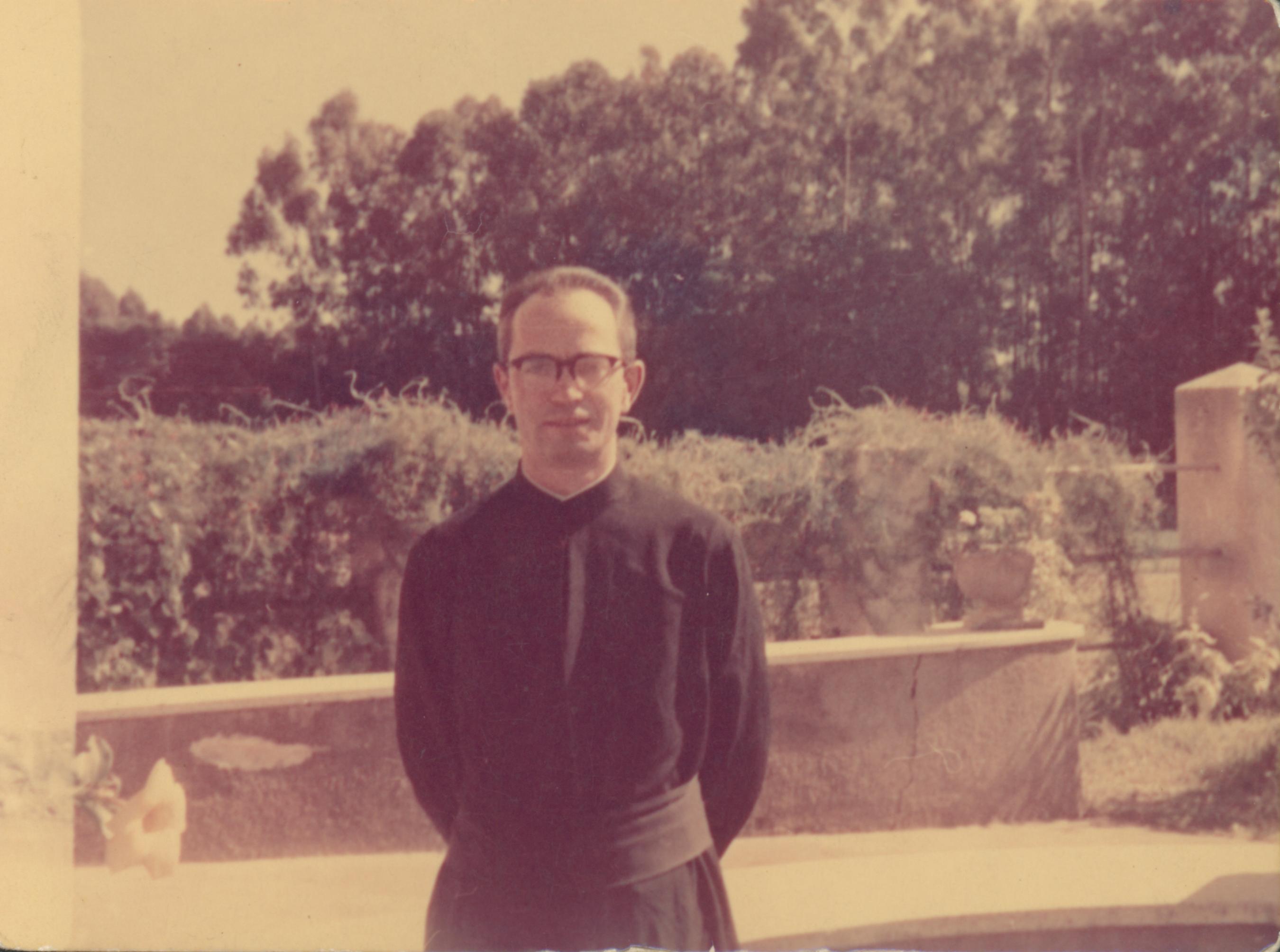
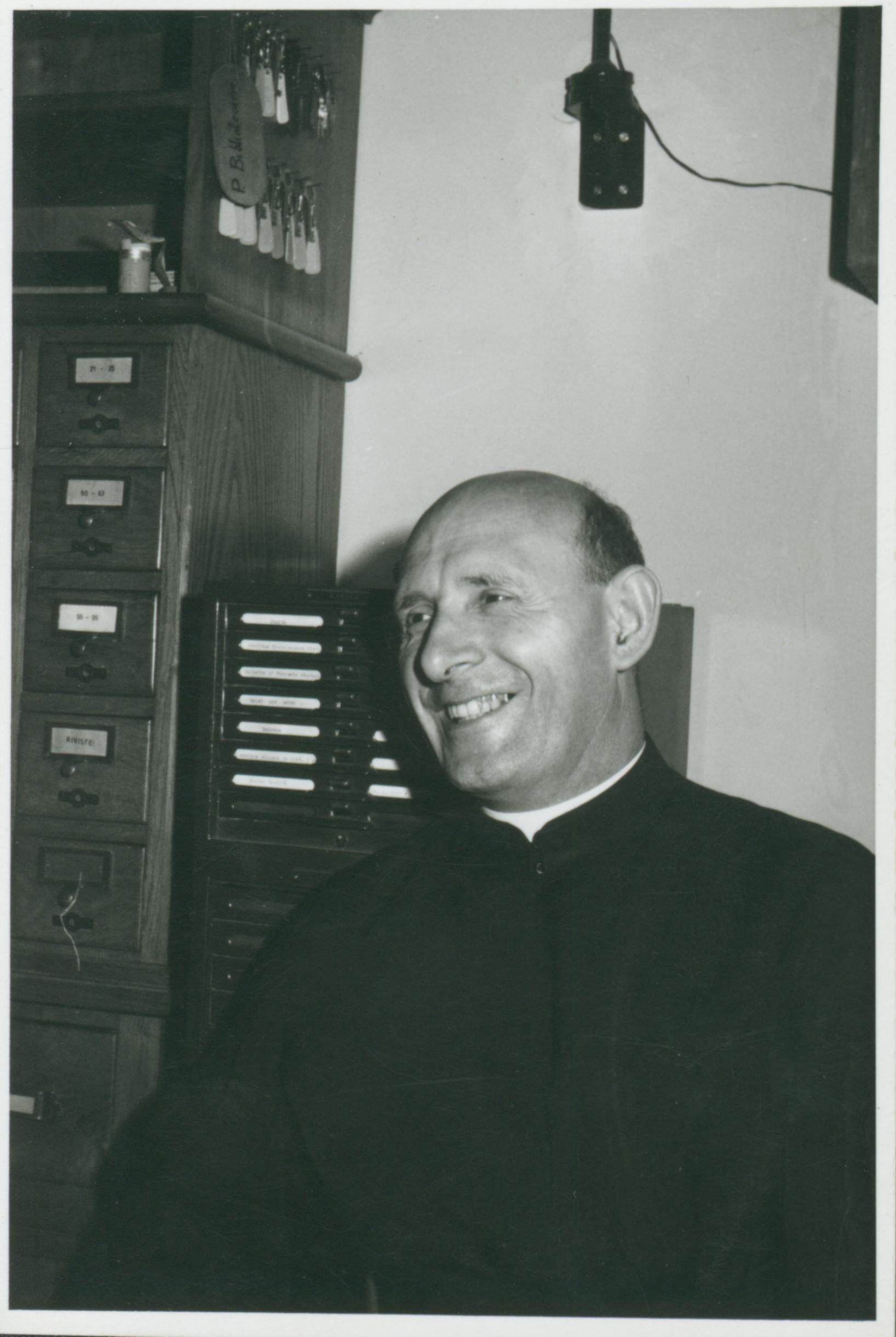
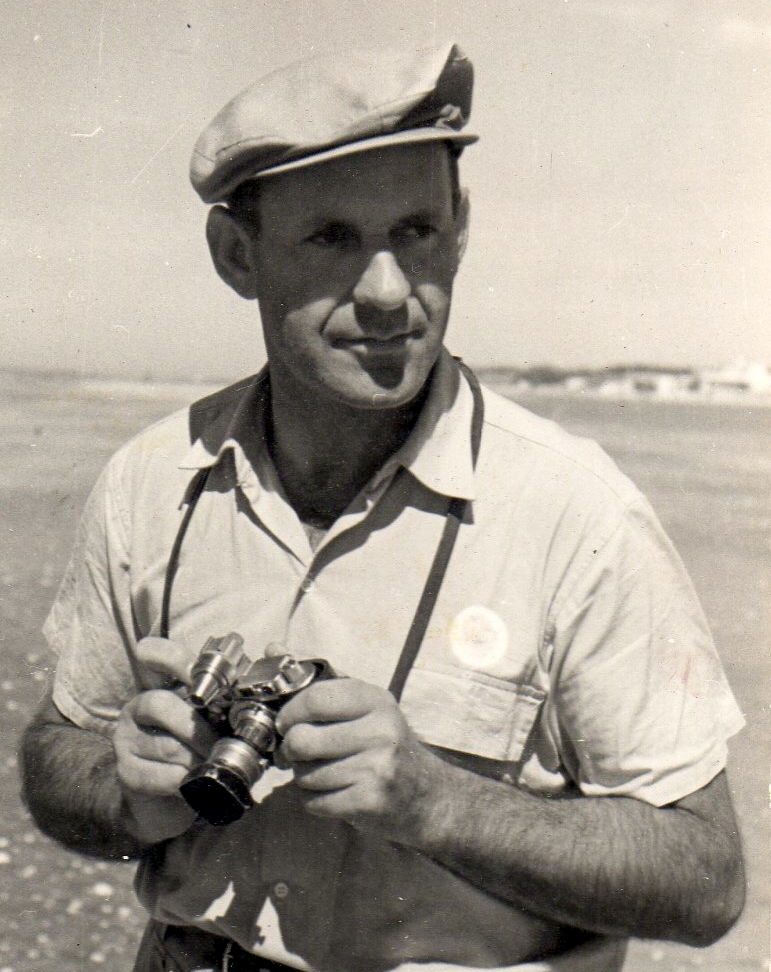
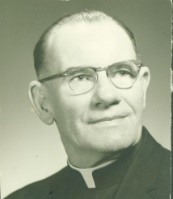
A Hungarian Jesuit priest, missionary to China, historian, sinologist, and university professor, he was one of the most prominent figures in 20th-century Hungarian Jesuit scholarship. His research focused on the history of the Jesuit missions in China, Sino-Russian relations, and the history of diplomacy in East Asia during the early modern period. He began his academic career in China, then earned his doctorate at Harvard University; he subsequently served as a professor at Georgetown University for nearly three decades, and in the final years of his life worked as a researcher at the Jesuit Historical Institute in Rome.
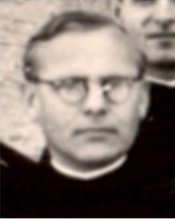
He was born on August 18, 1915, in Nagypáli. He completed his high school studies at the Pius Gymnasium in Pécs, and on July 30, 1934, he entered the Society of Jesus in Budapest. He completed his novitiate and philosophical studies in Budapest, after which he was sent to the Hungarian Jesuits’ mission in China in 1940. First, he spent two years studying Chinese in Beijing, which was under Japanese occupation, and then from 1942 to 1943, he served as a supervisor and teacher at the Hungarian Province’s mission in Taming (Yungnien). Between 1943 and 1947, he studied theology at the Jesuit College in Zikavej (Xujiahui) near Shanghai, where he was ordained a priest on July 27, 1946.
In 1947, he went to Rome, where he began research into the history of the Chinese mission at the Jesuit Historical Institute, while also pursuing studies at the Faculty of Church History at the Pontifical Gregorian University. He completed his third probationary year in Gandia, Spain, from 1949 to 1950, and made his solemn profession of the four vows on August 15, 1951.
In 1955, he continued his studies at Harvard University, where he earned a doctorate in East Asian history and linguistics. His dissertation, titled *The Jesuits and the Sino-Russian Treaty of Nerchinsk (1689): The Diary of Thomas Pereira, S.J.*, was published in Rome in 1961 and became a fundamental source work on the history of Sino-Russian relations. The work examined the role of the Jesuits in the conclusion of the Treaty of Nerchinsk and later served as a reference point for research on Sino-Soviet border disputes.
In 1958, he became a professor at Georgetown University in Washington, D.C., where he taught East Asian history until 1985. He organized and established the university’s graduate program in East Asian history, which became one of the leading programs of its kind in the United States. He held numerous leadership positions at the university: he served as dean of the School of Business Administration from 1964 to 1966 and as dean of the School of Foreign Service from 1966 to 1968. His students included several figures who later became prominent in public life, among them Bill Clinton, who later became President of the United States.
After his retirement, he worked for a year as a Woodrow Wilson Fellow at the Smithsonian Institution in Washington, D.C., and then moved to Rome in 1986, where he once again joined the Jesuit Historical Institute. Until his death, he worked on the Monumenta Sinica source edition project, which aimed to produce a critical edition of documents from the Chinese Jesuit missions of the 16th–18th centuries. The first volume of the series was published posthumously in 2002, edited by John Witek, S.J., based on József Sebes’s preparatory work. His estate contained material prepared for the publication of two additional volumes.
He passed away in Rome on March 16, 1990, after a long illness. Contemporary obituaries remembered him as an internationally recognized scholar of the history of the Jesuit missions in China, who, through his scholarly work, made a lasting contribution to the exploration of the history of Christianity in China and the Jesuit missions.
Foreign service locations
From
To
Place
Current name, country
Church / institution
Position
1940
1942
Peking (北京), Kína
Chinese Language Studies
1943
1947
Zikawei, Kína
Xujiahui (徐家汇)
theological studies
1947
1949
Róma, Italy
Pontificia Università Gregoriana
Jesuit Historical Institute; studies in church history at the Gregorian University
1949
1950
Gandía, Spain
tercia
1952
1943
Taming (大名), Kína
magyar jezsuita misszió
supervisor and teacher
1955
1958
Cambridge, MA, USA
Harvard University
doctoral studies
1958
1985
Washington DC, USA
Georgetown Egyetem
Professor of East Asian History and founder of the graduate program; dean of the School of Business from 1964 to 1966 and dean of the School of Foreign Service from 1966 to 1968.
1985
1986
Washington DC, USA
Smithsonian Institution
Woodrow Wilson Fellow
1986
1990
Róma, Italy
Institutum Historicum Societatis Iesu
researcher
Literary activity
The Jesuits and the Sino-Russian Treaty of Nerchinsk (1689): The Diary of Thomas Pereira, S.J. Roma, 1961.
Monumenta Sinica. I. (1546–1562). Roma, 2002. (Sebes József hagyatéka alapján, John W. Witek SJ szerkesztésében).
Emellett számos angol nyelvű tanulmányt publikált a kínai jezsuita missziók, a kínai–orosz diplomáciai kapcsolatok és a kora újkori Kelet-Ázsia történetének témakörében.
Professor of East Asian History and founder of the graduate program; dean of the School of Business from 1964 to 1966 and dean of the School of Foreign Service from 1966 to 1968.
Sebes József SJ, Dr.: personal record. In: Historical directory of Hungarian, Hungarian-descended, and Hungarian-speaking clergy serving abroad. Available at: https://www.diaszporalelkipasztorok.hu/persons_v2/view.php?id=979 (accessed: 2026-09-13).
Last modified: August 2, 2026 22:55 |
Opened: 7 times