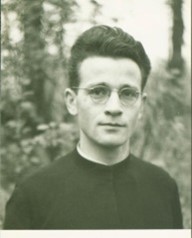
Kiskunhalas, Kingdom of Hungary, currently Hungary — February 4, 1929
Death data:
Budapest, Hungary — June 21, 2015
Denomination:
Roman Catholic
Ecclesiastical status:
religious
Diocese / Order:
jezsuita (Societas Jesu)
Ordination level:
priest
Entry into religious life:
August 14, 1947
Perpetual vows:
La Ceja, Kolumbia — August 15, 1963
Priestly ordination:
Granada, Spain — July 15, 1958
Place of burial:
Jezsuita sírbolt
Budapest, Hungary
Biographical data
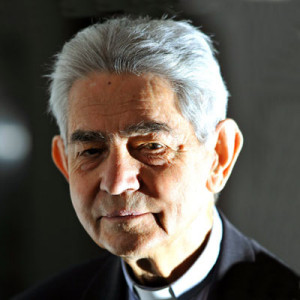
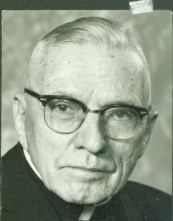
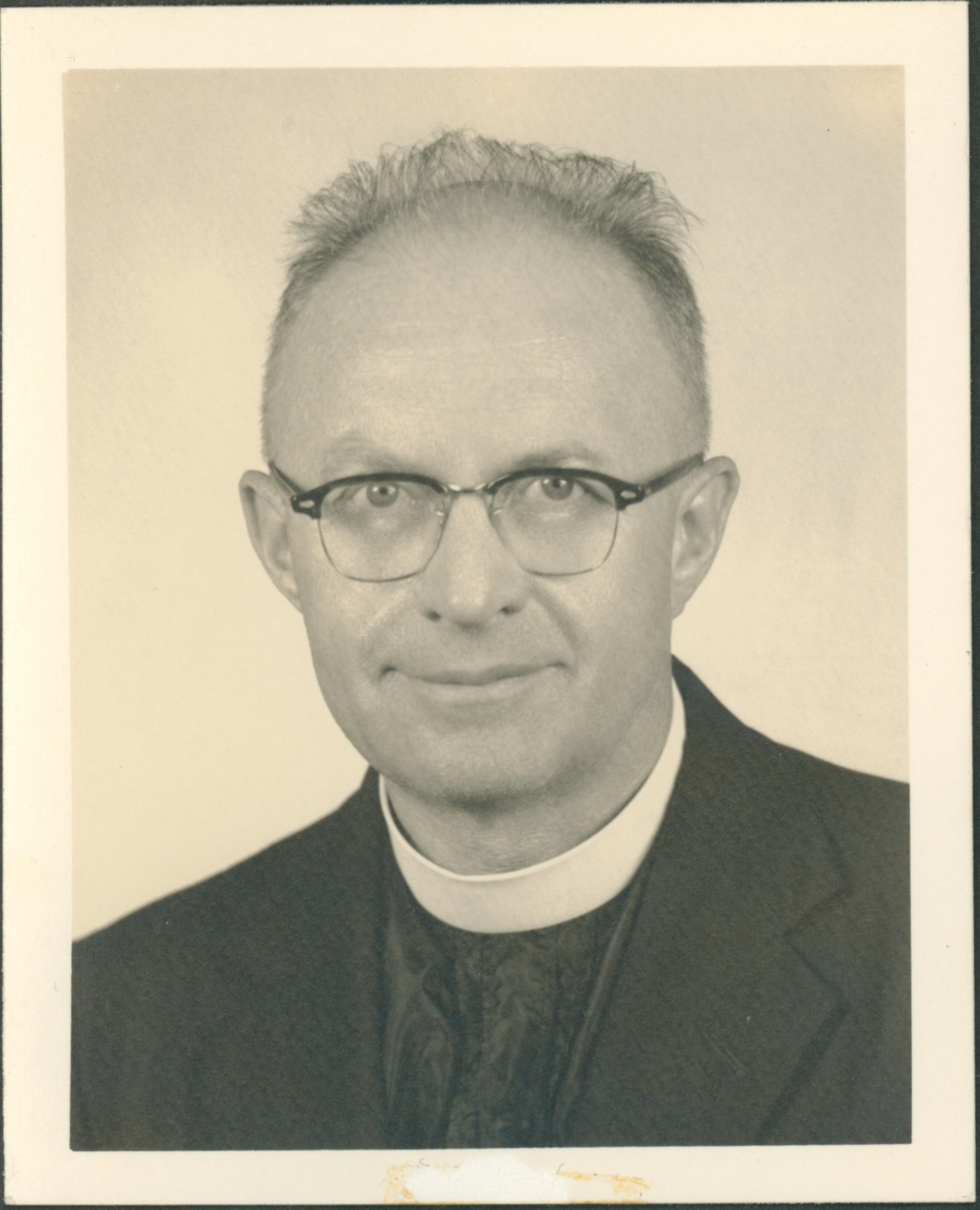
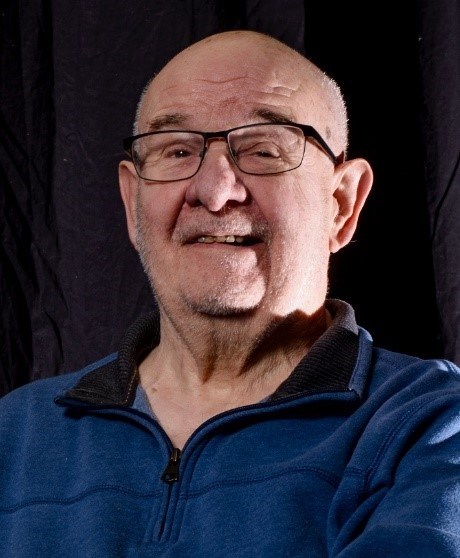
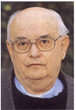
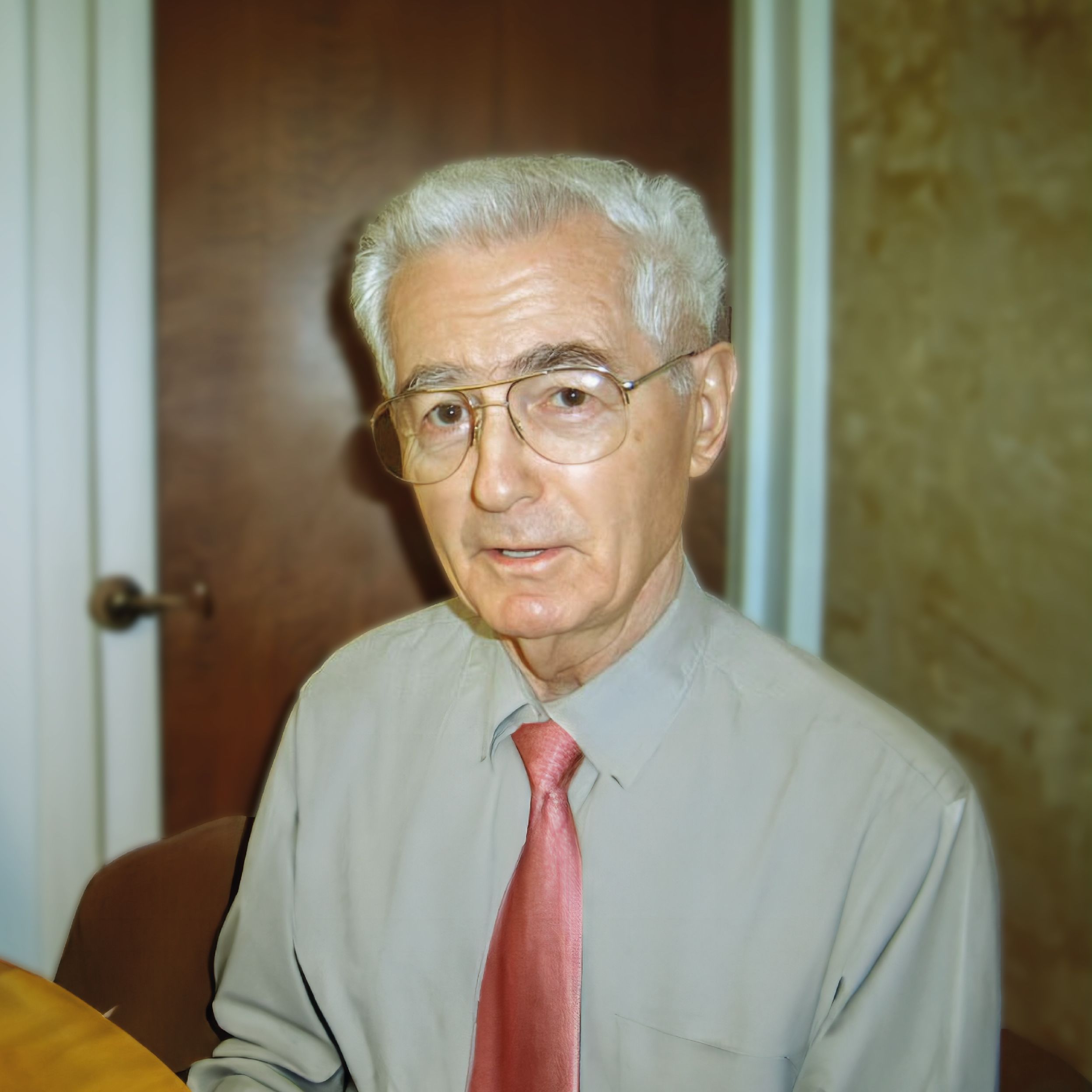
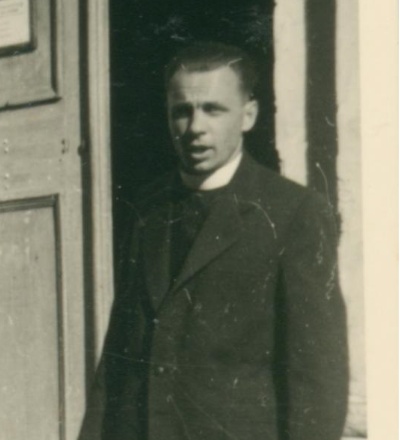
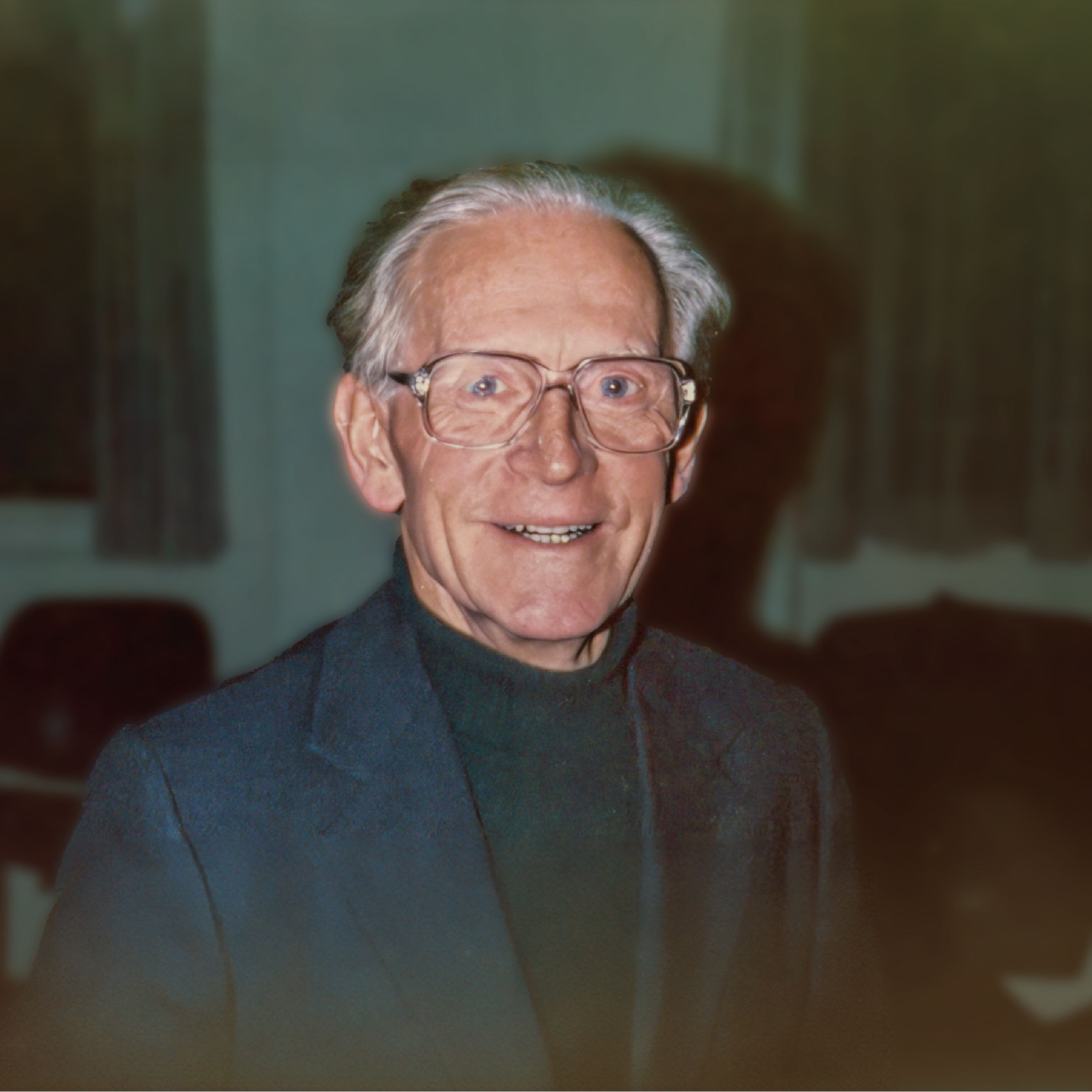
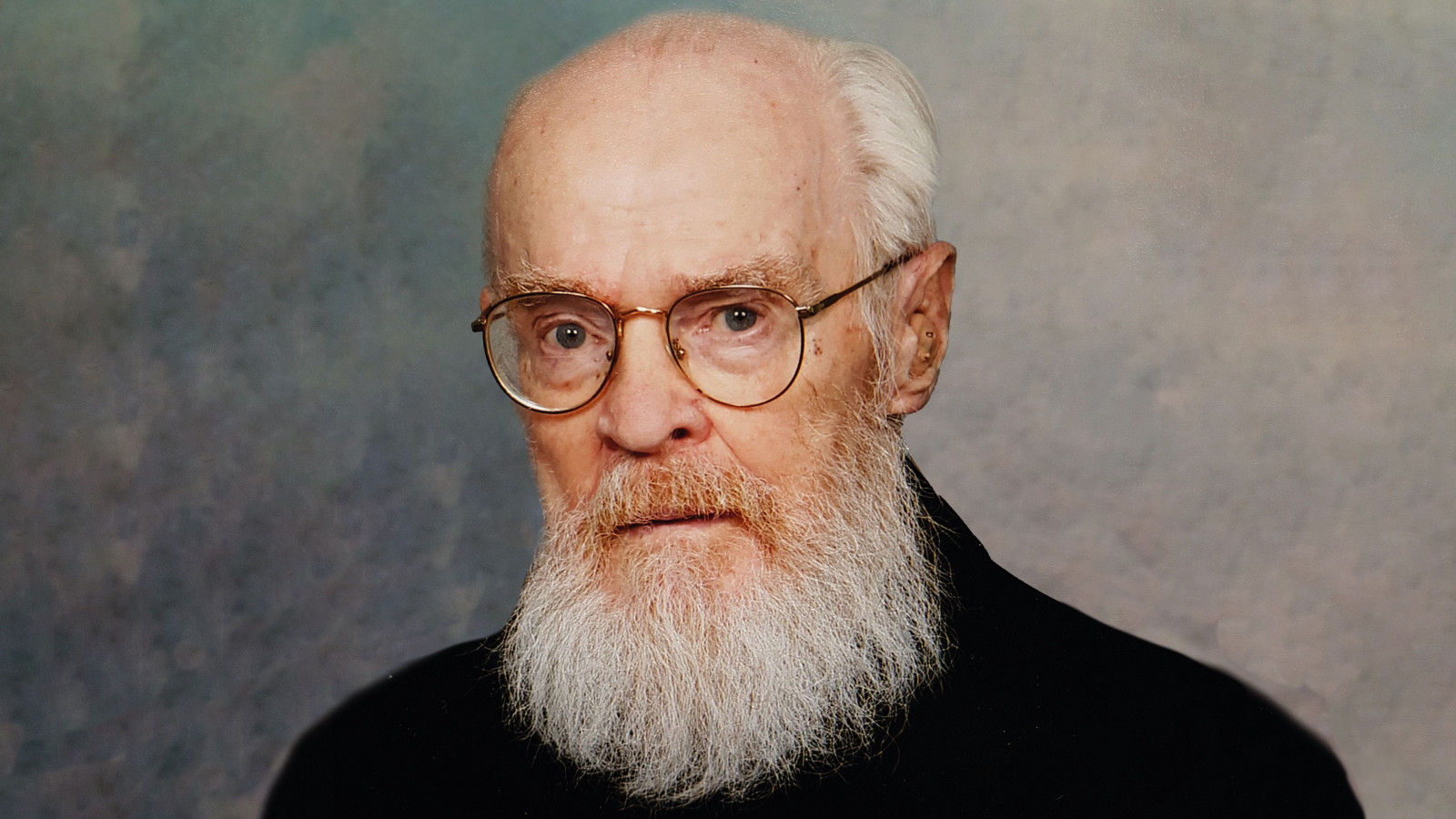
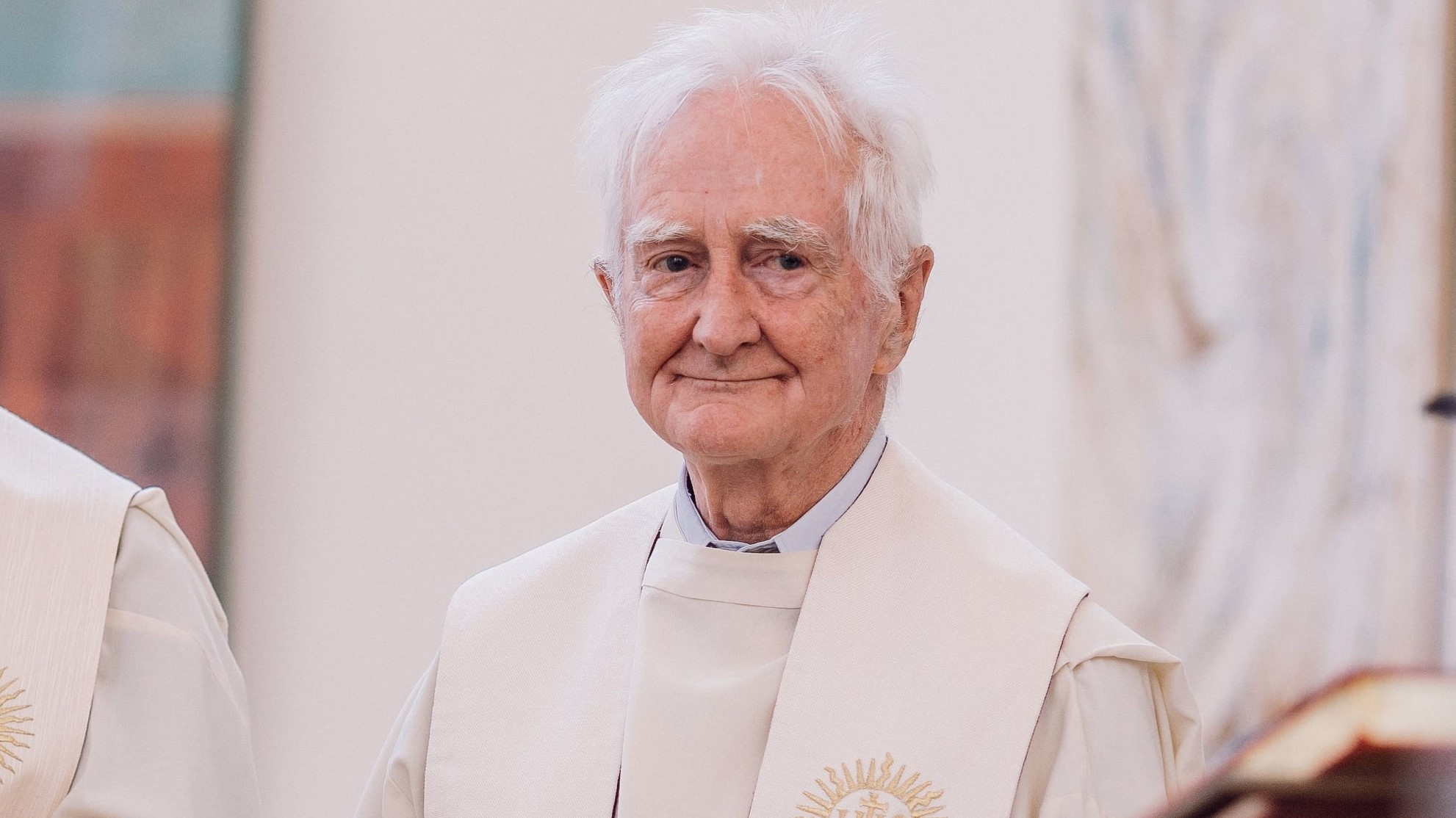
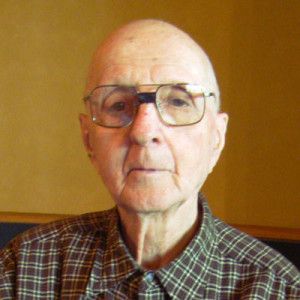
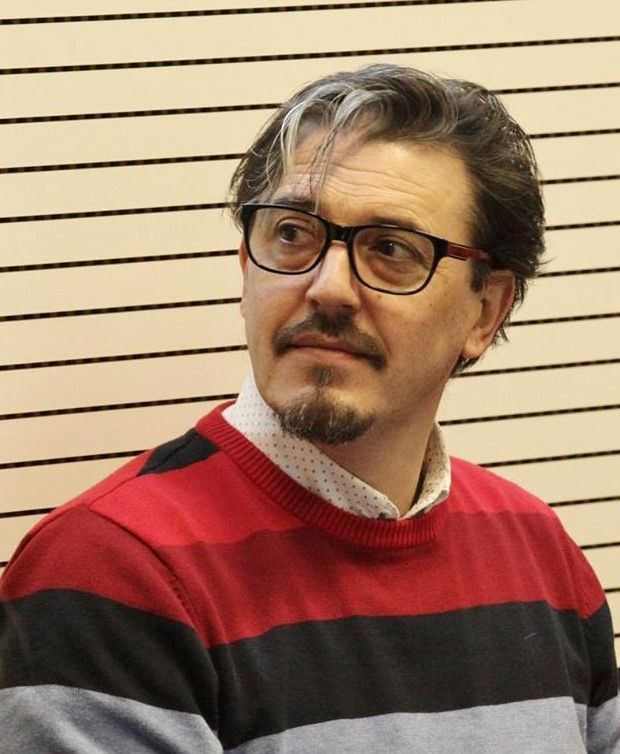
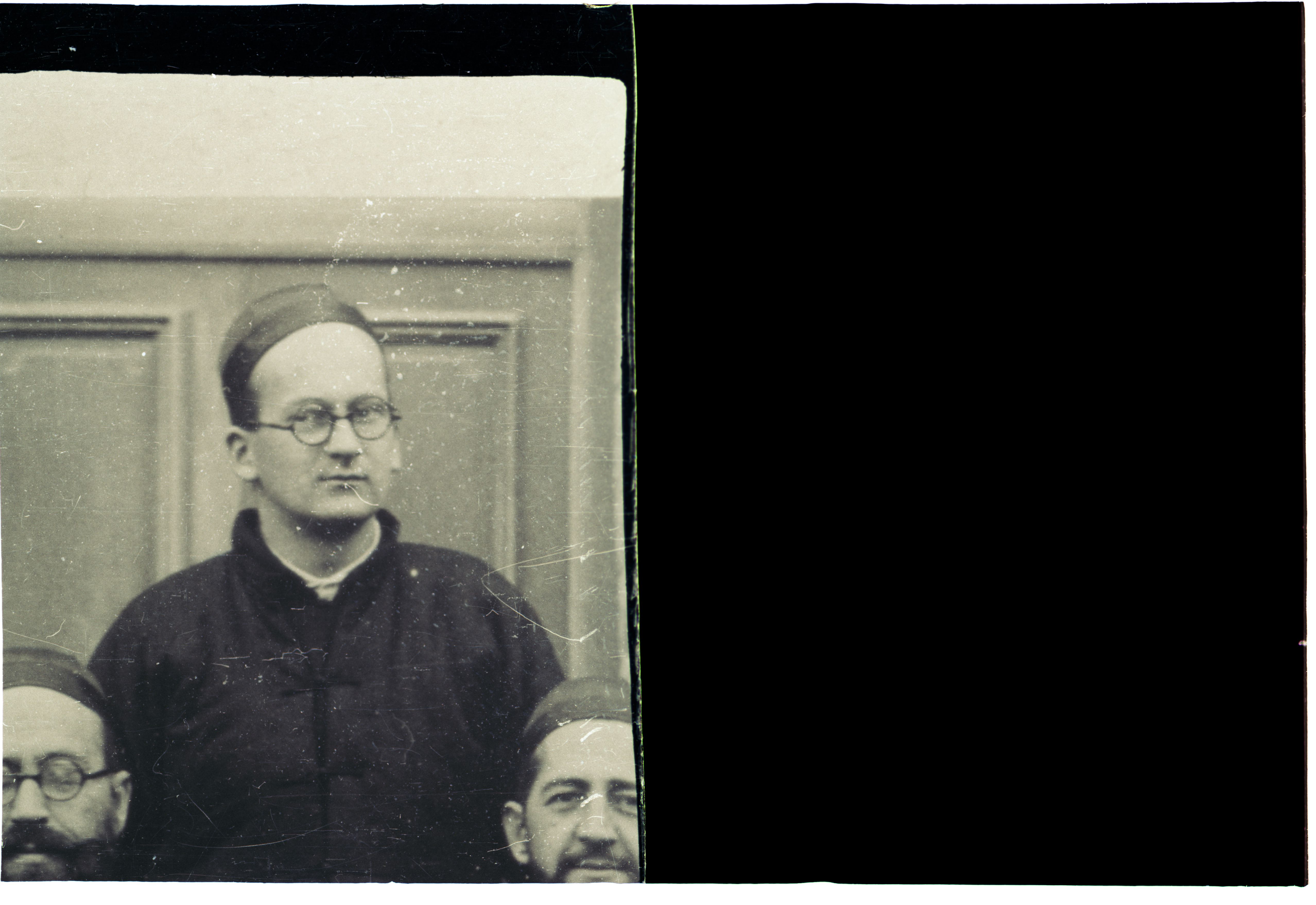
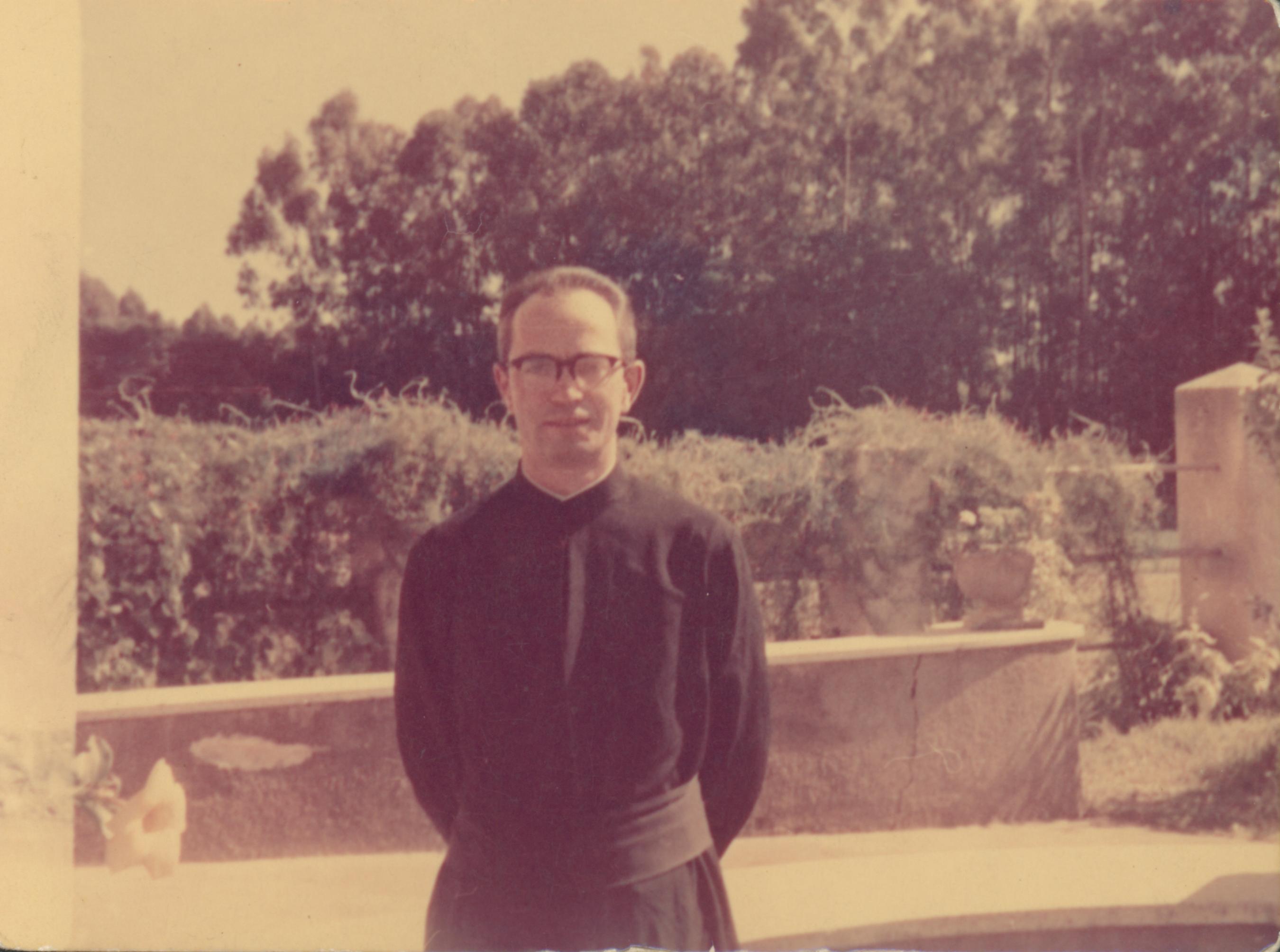
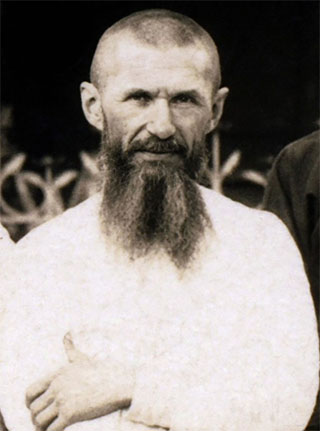
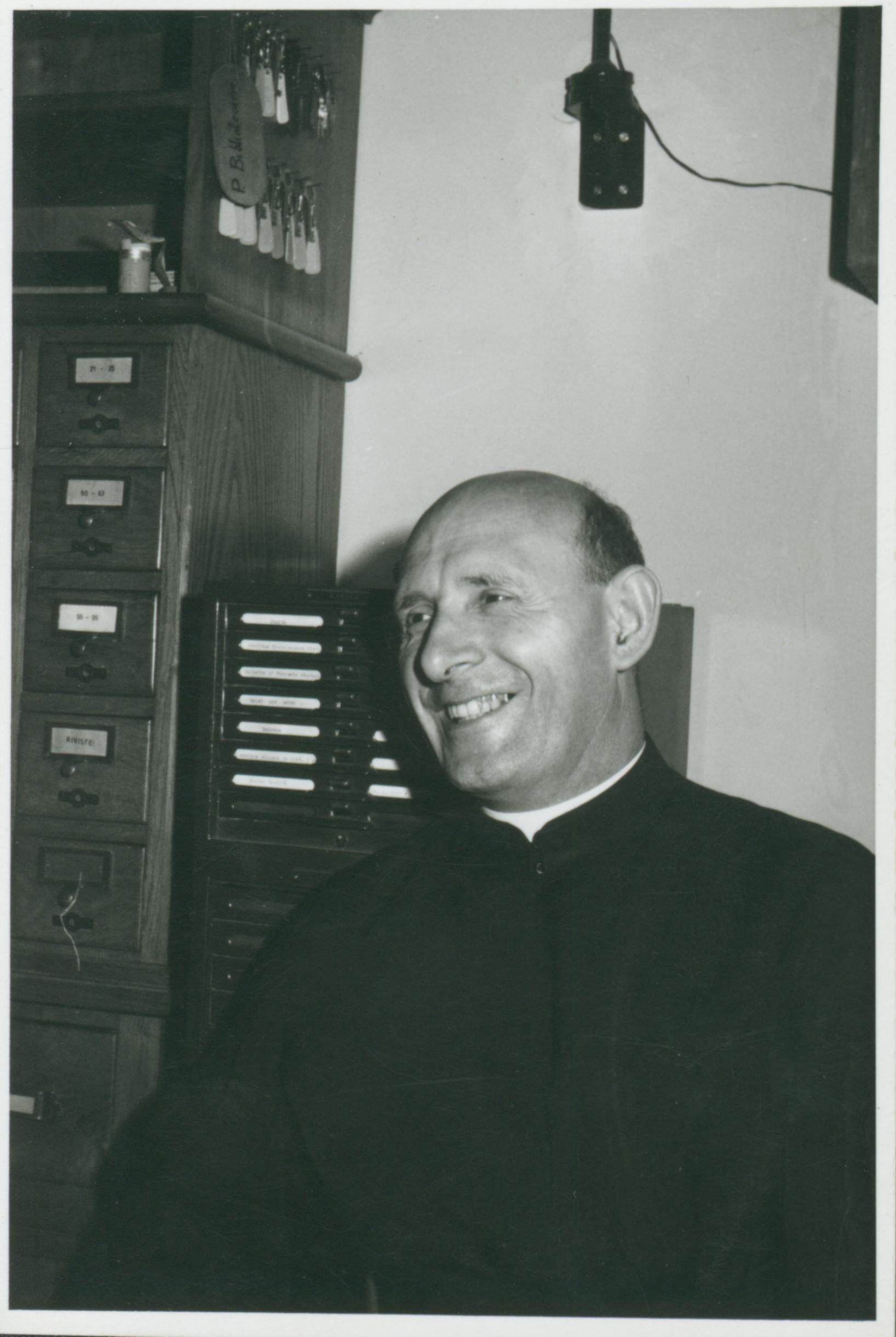
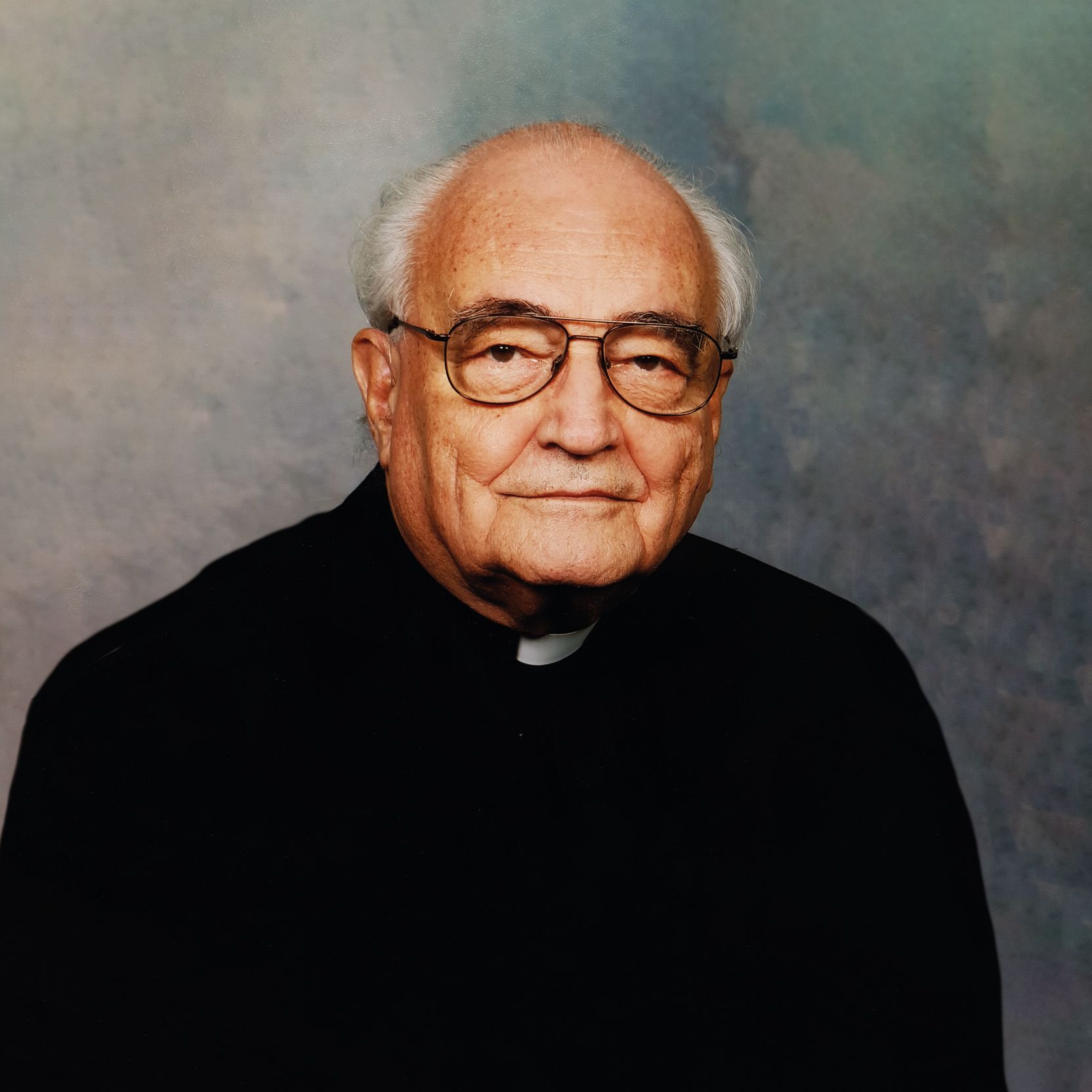
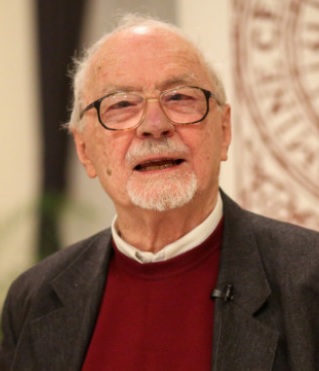
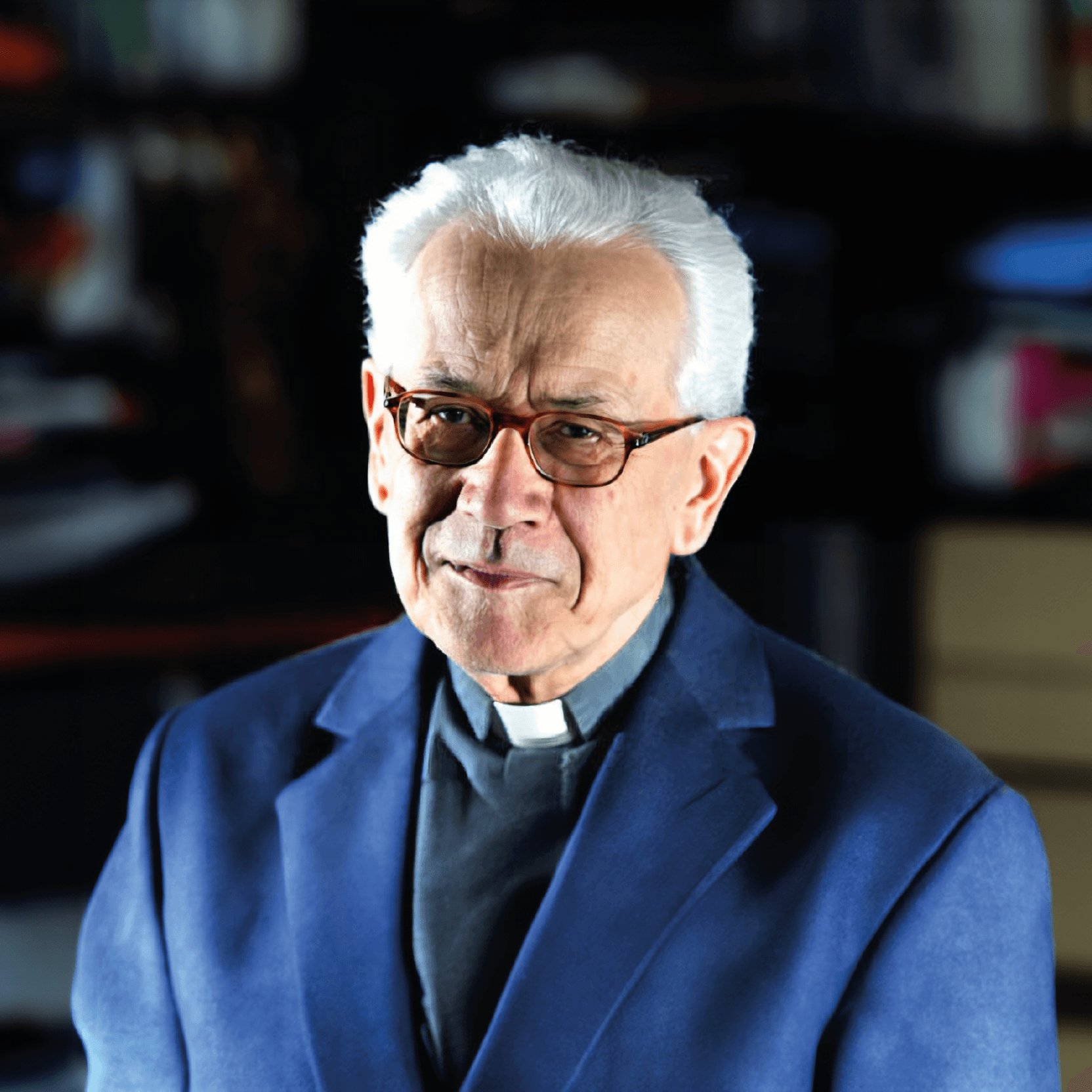
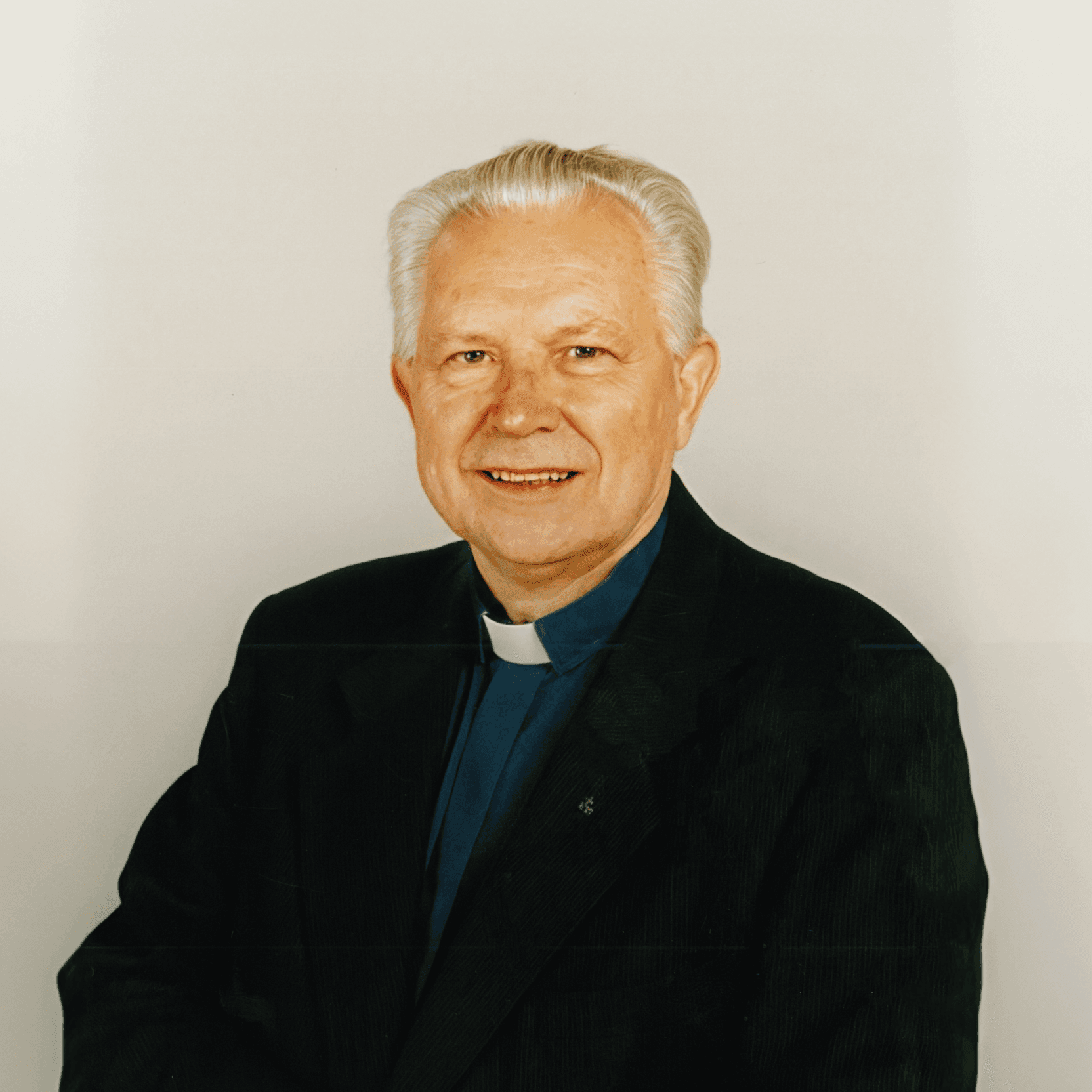
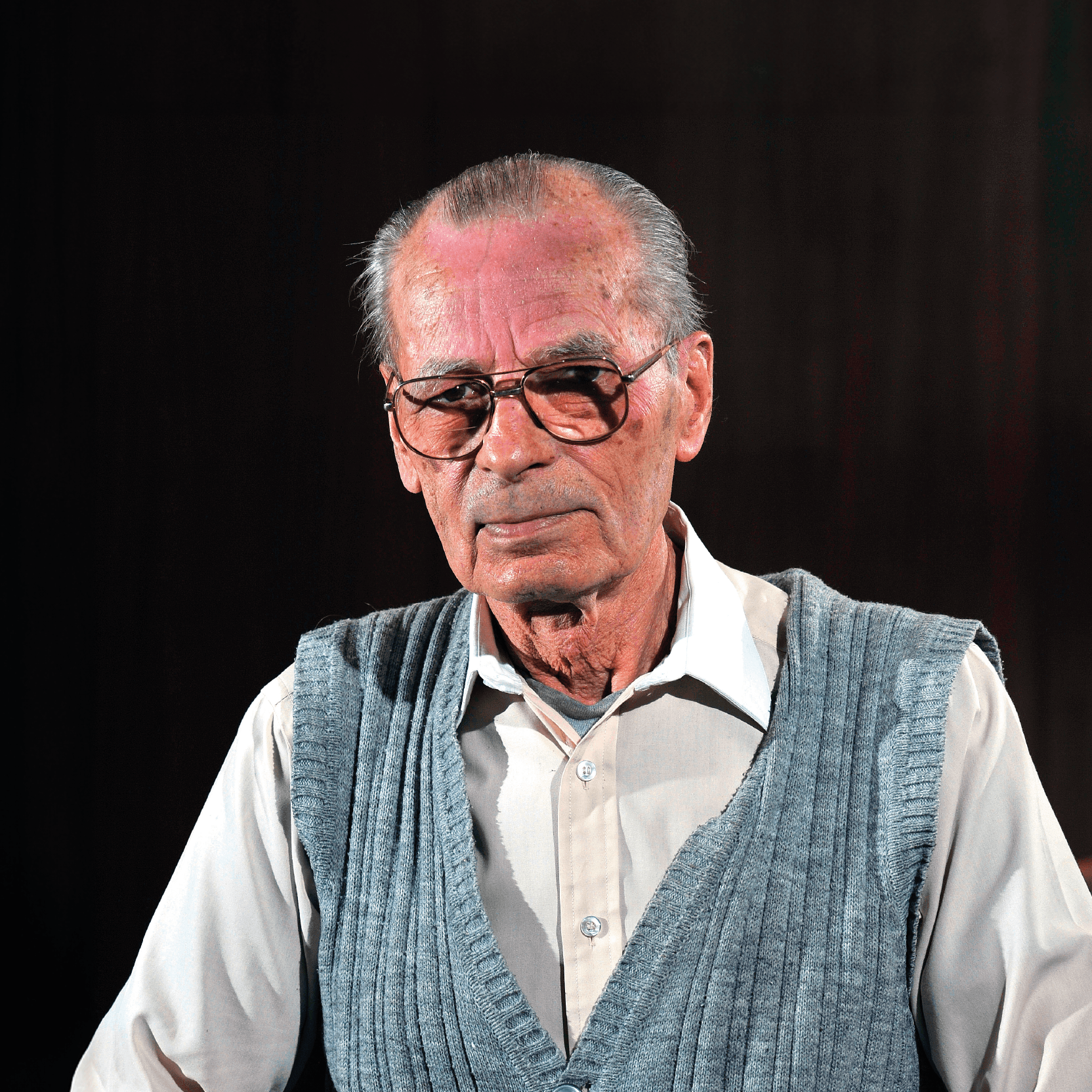
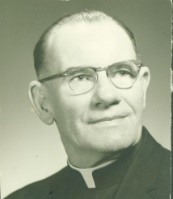
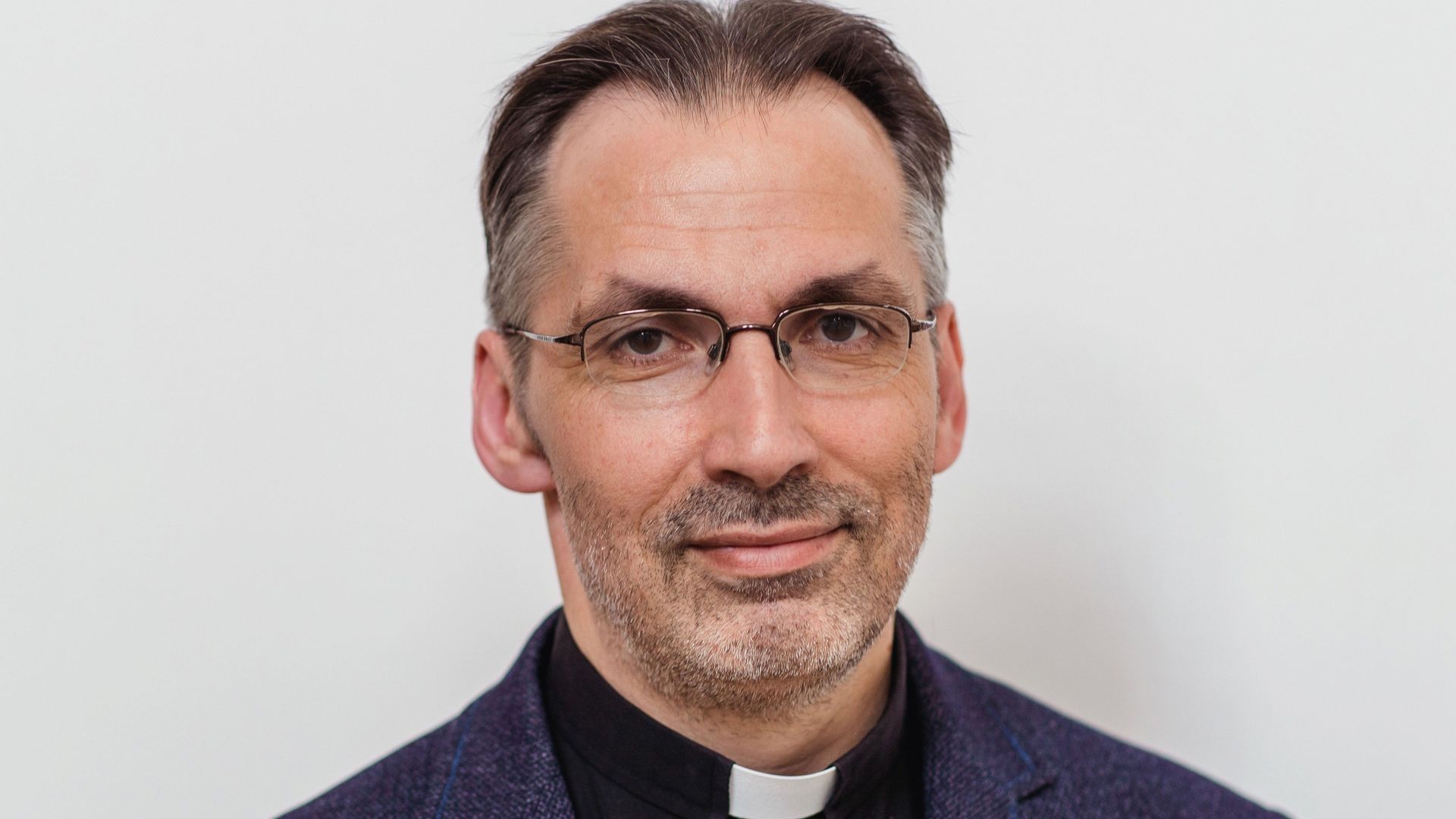
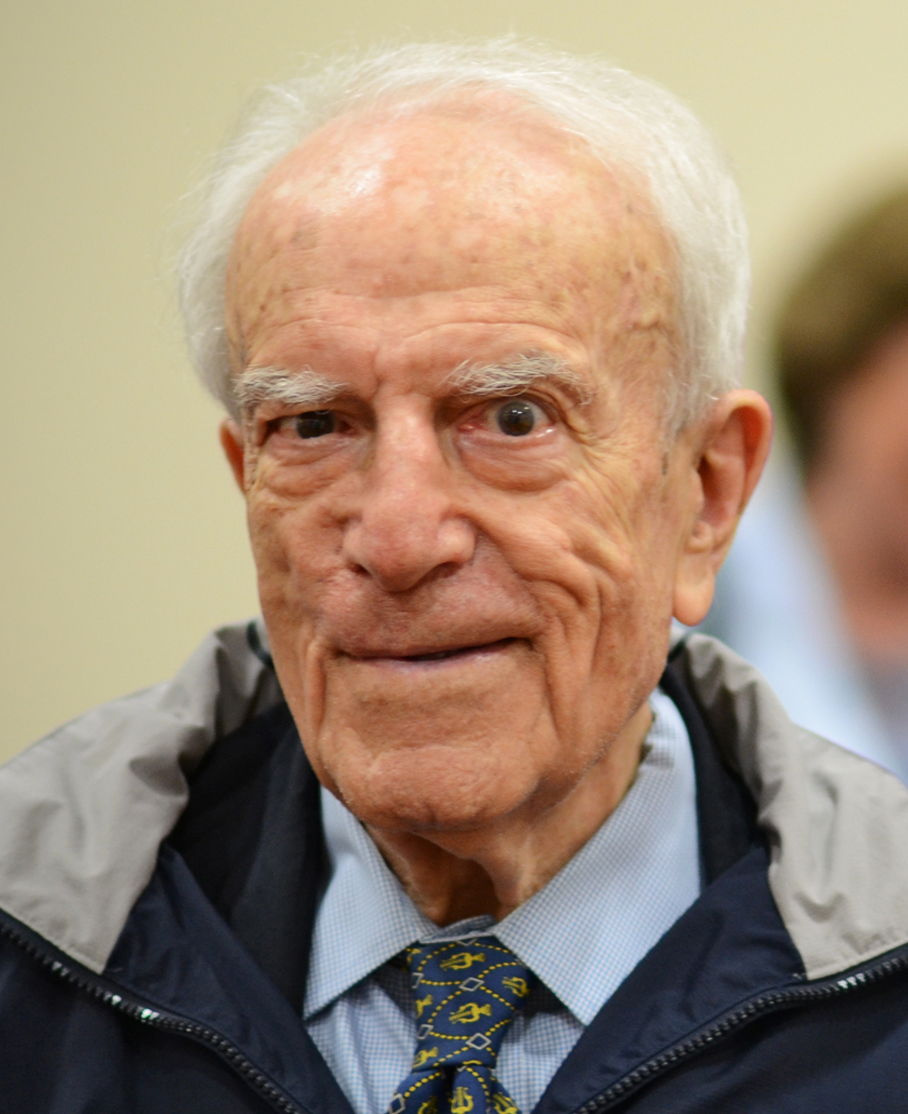
Gábor Róna, S.J. (Kiskunhalas, February 4, 1929 – Budapest, June 21, 2015) was a Hungarian Jesuit, Roman Catholic priest, and missionary. He spent three decades of his life in Ecuador engaged in pastoral ministry, and after returning home, he worked in Kalocsa, Miskolc, Hódmezővásárhely, and Budapest. He was one of the most prominent Hungarian figures in the international Flame of Love Movement, gaining international recognition for his Spanish translation of *Lelkinapló* and for promoting the movement worldwide. In addition, she served as the national spiritual director of the St. Monica Community of Christian Mothers.
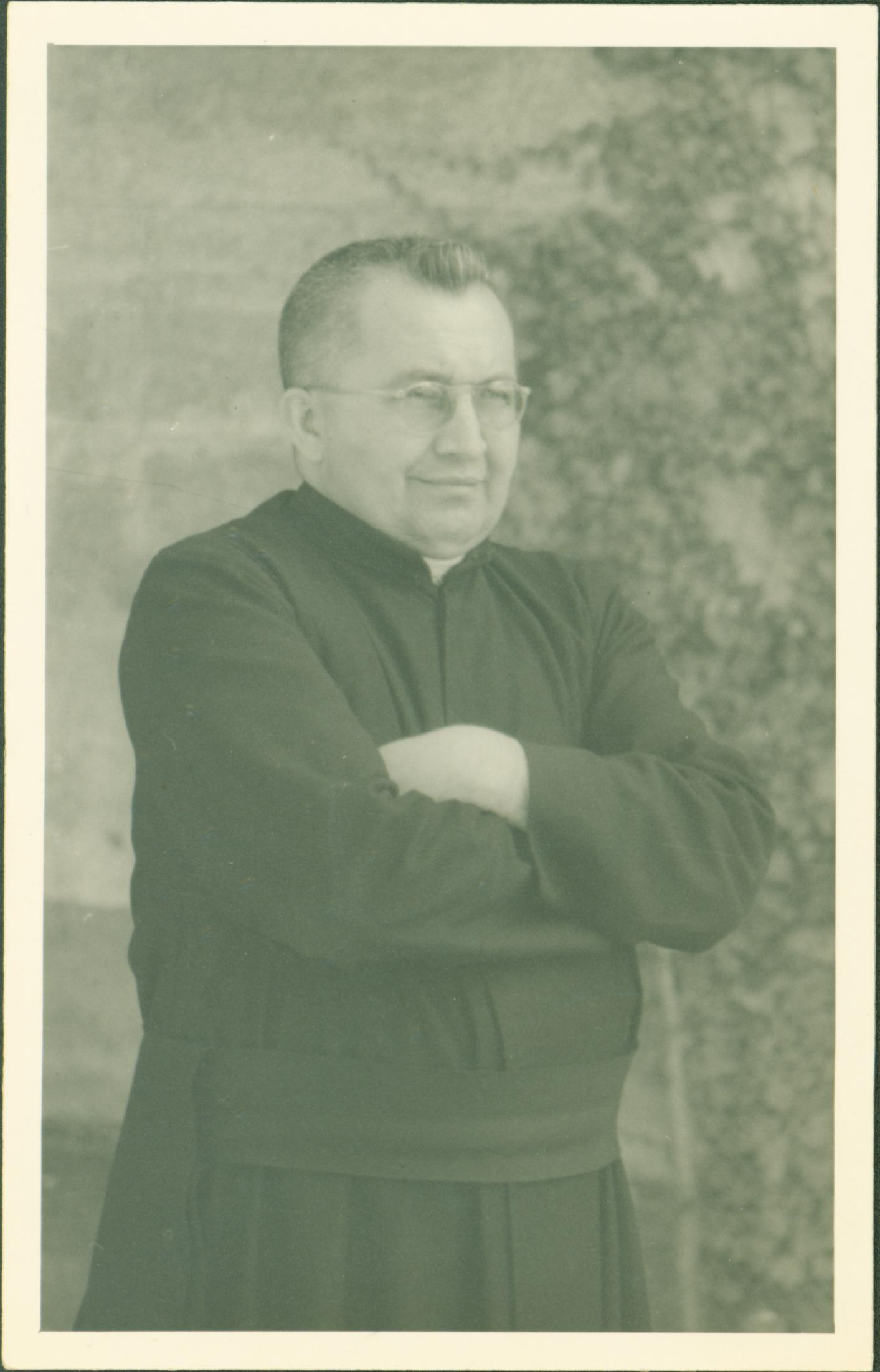
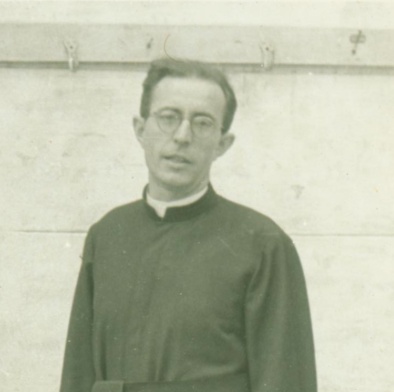
She was born into a family of educators. Her mother was a teacher, and her father was the principal of rural schools. He spent his childhood in Kiskunhalas and the surrounding area of Soltvadkert. He attended elementary school with the School Sisters of Kalocsa, and in 1939 became a boarding student at the Jesuit high school in Kalocsa. He completed his studies at the Reformed high school in Kiskunhalas at the end of World War II. His vocation to the Jesuits had already taken shape during his high school years, so on August 14, 1947, he entered the Society of Jesus. He began his novitiate at Manréza in Zugliget, but due to the communist takeover and the dissolution of religious orders, he was forced to leave Hungary with his fellow novices in 1949.
Between 1949 and 1951, he pursued humanities studies in Germany, and then studied philosophy in Leuven, Belgium, from 1951 to 1953. He then served as a master’s assistant in Godinne from 1953 to 1955. He completed his theological studies in Granada, Spain, from 1955 to 1959, where he was ordained a priest on July 15, 1958. He completed his third probationary period in La Ceja, Colombia, in 1962, and took his solemn perpetual vows on August 15, 1963.
After his ordination, he was sent to Ecuador, where he served for thirty years. His first assignment was in Portoviejo, where he worked as a college spiritual director and catechist. After his third probationary period, he became secretary to the provincial superior of the Jesuit province in Quito; he also taught as spiritual director at Gonzaga College and provided pastoral care in hospitals and prisons. From 1965 to 1970, he served as a parish assistant priest and hospital chaplain in Manta. He spent his sabbatical year in Madrid in 1969. He then returned to Portoviejo to serve as spiritual director and religion teacher, and from 1982 to 1984, he served as assistant to the novice master (socius) in Quito. During the final years of his ministry in Ecuador, from 1984 to 1989, he served as a spiritual director in Guayaquil.
During his visit to Hungary in 1980, he discovered the *Szeretetláng* Spiritual Diary, which had a profound spiritual impact on him. As a result, he decided to translate the work into Spanish. The translation was completed in 1989 and contributed significantly to the spread of this Hungarian-origin spiritual movement in Latin America. At the first international Flame of Love meeting in Mexico City in 1999, Cardinal Bernardino Echeverría of Ecuador appointed him international coordinator of the movement. He held this position until 2008.
In 1989, at the invitation of Archbishop László Dankó of Kalocsa–Kecskemét, he returned permanently to Hungary. For eight years, he served as director of the Jesuit church in Kalocsa, while also serving as chaplain to the city hospital and the women’s correctional facility. In 1997, he moved to Miskolc, where he became a religion teacher at the Jesuit high school and the pastor of the parish church in Avas. From 1999 to 2002, he served as an assistant pastor in Hódmezővásárhely, and from February 2002 until his death, he was the pastor and confessor at the Church of the Sacred Heart in Budapest. During his ministry there, he was sought out by a particularly large number of people for spiritual guidance and confession.
Upon his return to Hungary, Cardinal Péter Erdő appointed him national spiritual director of the St. Monica Community of Christian Mothers. He led numerous retreats, gave lectures, and played an active role in the life of Hungarian Catholic spiritual movements. His entire life was shaped by a missionary spirit, the ministry of confession, and devotion to Mary.
Gábor Róna, S.J., passed away on June 21, 2015, in Budapest, following a brief but serious illness. His funeral was held on July 4, 2015, at the Church of the Sacred Heart in Budapest.
Domestic service locations
From
To
Place i
Current name, country i
Church / institution
Position
1989
1997
Kalocsa, Hungary
church administrator, hospital and prison chaplain
1997
1999
Miskolc, Hungary
religious education teacher and confessor
1999
2002
Hódmezővásárhely, Hungary
assistant pastor
2002
2015
Budapest, Hungary
Jézus Szíve-templom
assistant pastor
Foreign service locations
From
To
Place
Current name, country
Church / institution
Position
1959
1961
Portoviejo, Ecuador
Residence Hall Chaplain, Religious Education Teacher
1962
La Ceja, Kolumbia
probation
1962
1965
Quito, Ecuador
Provincial Secretary, College Spiritual Director, Religion Teacher, Hospital and Prison Chaplain
1965
1970
Manta, Ecuador
parish assistant pastor, hospital chaplain
1969
Madrid, Spain
sabbatical
1970
1982
Portoviejo, Ecuador
Residence Hall Chaplain, Religious Education Teacher
Róna Gábor SJ: personal record. In: Historical directory of Hungarian, Hungarian-descended, and Hungarian-speaking clergy serving abroad. Available at: https://www.diaszporalelkipasztorok.hu/persons_v2/view.php?id=948 (accessed: 2026-09-13).
Last modified: July 21, 2026 15:17 |
Opened: 22 times